RedKalion
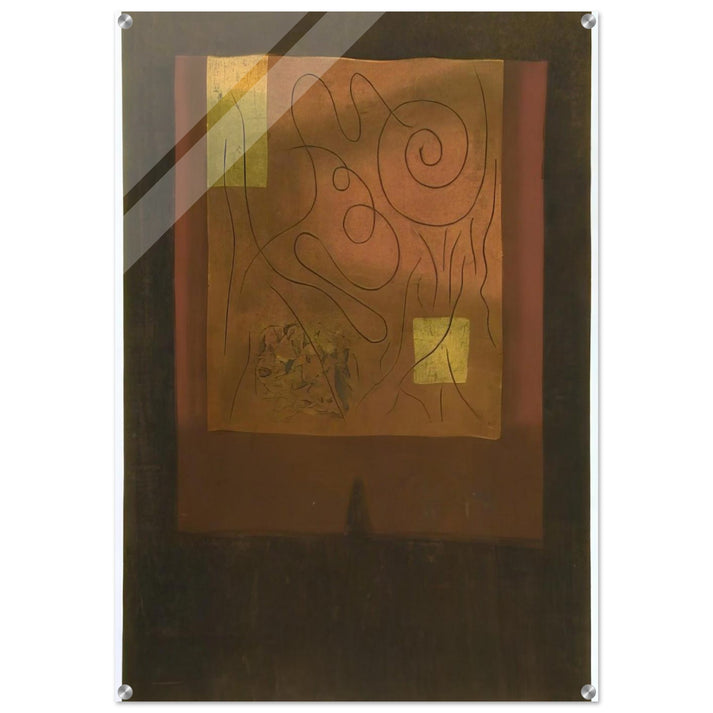
Almanac - 1967 - Hiroyuki Tajima Acrylic Print - 70x100 cm / 28x40″ inches | Hiroyuki Tajima Wall Art | Hiroyuki Tajima Prints
Almanac - 1967 - Hiroyuki Tajima Acrylic Print - 70x100 cm / 28x40″ inches | Hiroyuki Tajima Wall Art | Hiroyuki Tajima Prints
Couldn't load pickup availability
Elevate Your Space with Hiroyuki Tajima’s 'Almanac' (1967)
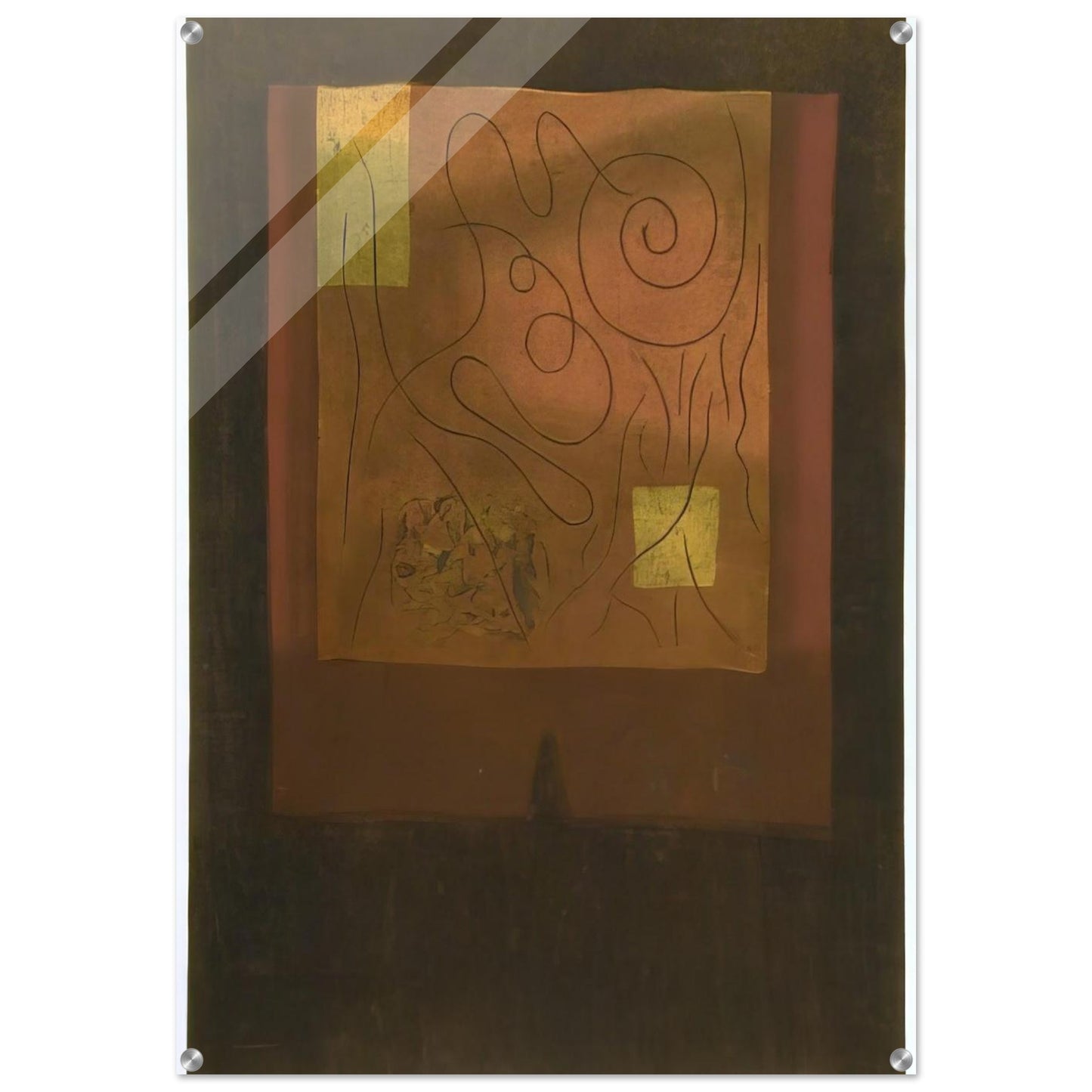
Experience the profound depth of mid-century Japanese abstraction with this museum-quality reproduction of Hiroyuki Tajima’s Almanac (1967). As a leading figure in the Sōsaku-hanga (creative print) movement, Tajima was celebrated for his ability to transform traditional woodblock techniques into a modern, ethereal language. This piece captures his signature use of dense pigments and layered textures, evoking a sense of ancient cosmic cycles and temporal beauty.
RedKalion brings this archival masterpiece to life using a premium 4mm (0.15") acrylic substrate. This medium is specifically chosen to enhance the vibrancy and luminosity of Tajima’s color palette, providing a sleek, glass-like finish that adds incredible depth to the intricate details of the 1967 composition. The result is a sophisticated piece of Hiroyuki Tajima wall art that endures as a centerpiece in any contemporary interior.
Technical Excellence and Materiality
- Premium Acrylic Construction: A 4mm thick acrylic sheet offers superior clarity and a vibrant, durable finish that protects the artwork from UV light and moisture.
- Modern Aesthetic: Features straight-cut corners for a clean, minimalist silhouette that complements Tajima’s abstract forms.
- Optimized Presentation: To ensure the highest visual fidelity, any transparent elements in the original design are backed with a white finish, providing a solid, opaque foundation for the colors to pop.
- Integrated Hanging System: Each print arrives with a comprehensive hanging kit, including hardware and screws. Precision-engineered screw holes (8mm diameter) are positioned 14mm from each corner, designed to fit the included 15mm screw heads perfectly.
Choosing a Hiroyuki Tajima print from RedKalion means investing in an archival-grade reproduction that respects the artist's legacy. This 70x100 cm (28x40″) masterpiece is not merely a print; it is a curated experience designed for the discerning collector who values both historical significance and modern craftsmanship.
Discover Unlimited Art Possibilities
At RedKalion, you can find virtually any artwork from any artist, available in a wide range of sizes to perfectly match your space.
If you didn’t find what you’re looking for, contact us at support@redkalion.com . We will source any artwork and produce it in any size and format you need, including art prints, posters, canvas, framed pieces, framed canvas, and more.
For dedicated art enthusiasts, we also offer handcrafted replicas of any artwork, carefully painted by highly skilled artists using traditional techniques.
For custom requests, contact us at support@redkalion.com .
What are the specifications of the Almanac acrylic print?
The Almanac (1967) print is crafted on 4mm acrylic with straight-cut corners. This 70x100 cm museum-quality reproduction offers a vibrant, durable finish that mimics the depth of Tajima’s original textures.
How is the Hiroyuki Tajima wall art prepared for hanging?
Each print includes a professional hanging kit with screws. Four pre-drilled 8mm holes are located 14mm from the edges, specifically sized for the provided 15mm screw heads for a secure, flush mount.
How does RedKalion ensure the archival quality of this print?
We use high-grade, UV-resistant 4mm acrylic and archival pigments. This combination protects the artwork from fading and environmental damage, ensuring your fine art print remains a gallery-standard piece for decades.
What is the shipping process for this large-format artwork?
Our 70x100 cm prints are meticulously crated in protective packaging to prevent scratches or impact damage. We partner with premium couriers to ensure the safe, tracked delivery of your Hiroyuki Tajima masterpiece.
How do transparent backgrounds appear on this acrylic print?
To maintain the structural integrity of the visual design and ensure color accuracy, any transparent areas in the original file default to a solid white background on the acrylic surface.
What was Hiroyuki Tajima's role in the Sōsaku-hanga movement?
Hiroyuki Tajima was a pivotal Sōsaku-hanga artist who insisted on the 'self-drawn, self-carved, self-printed' philosophy. He is famous for pioneering abstract textures using shellac and unconventional materials on woodblocks.
What techniques did Tajima use in his original 1967 works?
In 1967, Tajima focused on complex layering and the use of chemical reactions between pigments and resins. This created the 'cracked' and organic textures that are beautifully captured in this acrylic reproduction.