
RedKalion
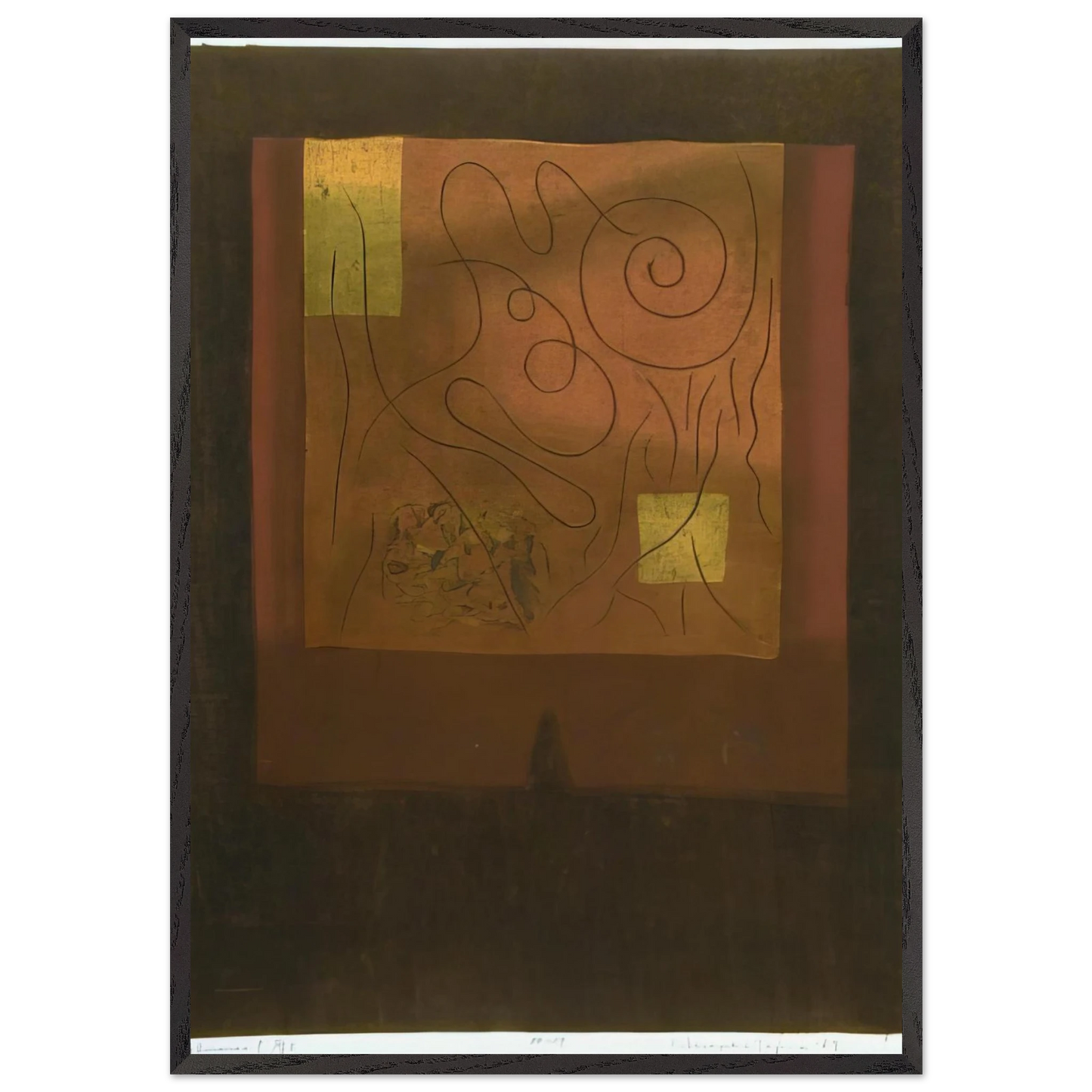
Almanac - 1967 - Hiroyuki Tajima 70x100 cm / 28x40 inches Framed Art Print – Black Wooden Frame
Almanac - 1967 - Hiroyuki Tajima 70x100 cm / 28x40 inches Framed Art Print – Black Wooden Frame
Couldn't load pickup availability
Experience the Textural Abstraction of Hiroyuki Tajima’s Almanac (1967)
Elevate your interior with this museum-quality reproduction of Hiroyuki Tajima’s 'Almanac' (1967). A master of the Sōsaku-hanga (creative print) movement, Tajima was renowned for his innovative use of shellac and dyes to create rich, atmospheric textures that defy the traditional flat surfaces of Japanese woodblocks. This 70x100 cm framed art print captures the intricate layers and evocative depth of the 1967 original, offering a window into the Japanese avant-garde era.
At RedKalion, we believe fine art deserves the highest material integrity. This archival-grade masterpiece is rendered on 250 gsm (110 lb) natural white museum-quality paper. Unlike standard prints, our paper is uncoated and matte, ensuring a non-reflective surface that honors the tactile nuances of Tajima’s abstract expressionism. The 0.29 mm thickness provides a structural weight that guarantees the print remains perfectly flat within its frame for decades.
The artwork is housed in a premium black wooden frame, meticulously crafted from responsibly sourced oak and ash. With a robust 20mm (0.79") profile—significantly wider than the standard 14mm alternatives—this frame provides a sophisticated, gallery-style presence on your wall. Protected by shatterproof plexiglass, your investment is shielded from UV and environmental damage while maintaining crystal-clear visibility.
- Artist: Hiroyuki Tajima (1911–1984)
- Paper: 250 gsm archival, FSC-certified matte paper
- Frame: 20mm premium black oak/ash wood
- Dimensions: 70x100 cm / 28x40 inches
- Ready-to-hang: Includes professional hanging kit
By choosing this RedKalion edition, you are acquiring more than a reproduction; you are securing a durable piece of art history, crafted to endure as a centerpiece of your collection.
Discover Unlimited Art Possibilities
At RedKalion, you can find virtually any artwork from any artist, available in a wide range of sizes to perfectly match your space.
If you didn’t find what you’re looking for, contact us at support@redkalion.com . We will source any artwork and produce it in any size and format you need, including art prints, posters, canvas, framed pieces, framed canvas, and more.
For dedicated art enthusiasts, we also offer handcrafted replicas of any artwork, carefully painted by highly skilled artists using traditional techniques.
For custom requests, contact us at support@redkalion.com .
What makes RedKalion's archival paper special?
We use 250 gsm (110 lb) museum-quality paper that is archival and acid-free. This natural white, uncoated paper ensures your fine art print maintains its color integrity and structural flatness without the glare typical of inferior glossy finishes.
Is the frame sustainably sourced and built to last?
Yes, our frames are crafted from FSC-certified oak and ash wood. At 20mm thick, they offer superior durability and a premium aesthetic compared to standard frames, providing a secure and elegant housing for your Tajima reproduction.
How is the artwork protected during shipping and display?
Each print is protected by shatterproof, transparent plexiglass. This provides the clarity of glass with enhanced safety and UV protection. We ship in specialized, high-durability packaging to ensure your framed art arrives in pristine condition.
Does the print come ready to hang?
Absolutely. Your 70x100 cm framed print arrives fully assembled with a professional hanging kit included. The integrated hardware allows you to elevate your space immediately upon delivery with no additional tools required.
What is the archival longevity of this print?
Designed for longevity, our prints utilize lightfast inks on archival-grade paper. When kept in a standard indoor environment, this museum-quality reproduction is engineered to remain vibrant and resist yellowing for generations.
Who was Hiroyuki Tajima and why is his work significant?
Hiroyuki Tajima was a pivotal figure in the Sōsaku-hanga movement, emphasizing the artist as the sole creator. His work is significant for blending traditional Japanese woodblock techniques with mid-century abstract expressionism and innovative chemical textures.
What inspired the 'Almanac' series in 1967?
The 'Almanac' series reflects Tajima's fascination with the passage of time and the structural patterns of the natural world. It uses abstract geometry and deep, layered pigments to evoke a sense of cosmic or geological history.