RedKalion
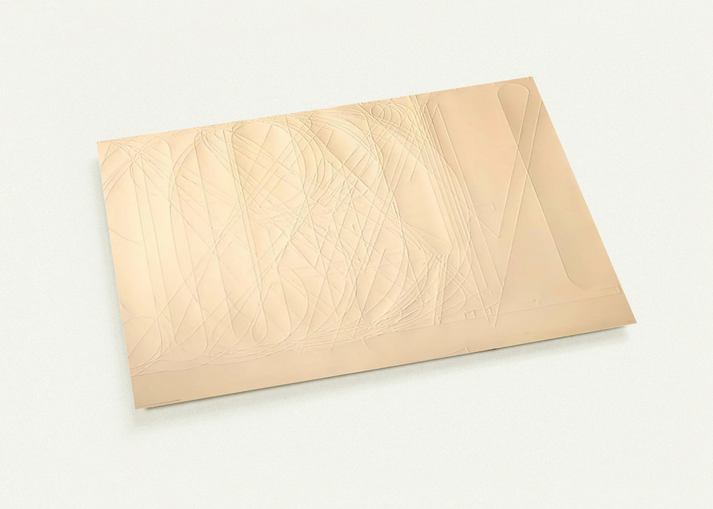
ALPHABET 1969 By Jasper Johns Pack of 10 Post Cards | Jasper Johns Post Cards | A6 (10.5 x 14.8 cm) - 4.1 x 5.8 inches
ALPHABET 1969 By Jasper Johns Pack of 10 Post Cards | Jasper Johns Post Cards | A6 (10.5 x 14.8 cm) - 4.1 x 5.8 inches
Couldn't load pickup availability
Elevate Your Correspondence with Jasper Johns' Alphabet (1969)
Invite the sophisticated language of Neo-Dada and Pop Art into your daily life with this exclusive pack of 10 post cards featuring Jasper Johns' Alphabet (1969). A seminal figure in 20th-century art, Johns transformed 'things the mind already knows'—alphabets, flags, and targets—into profound explorations of form and perception. This 1969 lithograph captures a rhythmic grid of letters, challenging the viewer to see the familiar symbols not just as language, but as textured, spatial objects.
At RedKalion, we bridge the gap between museum galleries and your personal collection. Each post card is produced using our advanced 12-color fine art printing technology. Unlike standard 4-color inkjet processes, our method ensures breathtaking color depth and tonal accuracy, preserving the subtle nuances of Johns' original work. Printed on 200 gsm (80 lb) FSC-certified paper, these cards offer a substantial, premium feel with a smooth matte finish that eliminates glare and enhances legibility.
Product Specifications & Artistry
- Artist: Jasper Johns
- Title: Alphabet (1969)
- Format: Pack of 10 Flat Post Cards
- Dimensions: A6 (10.5 x 14.8 cm / 4.1 x 5.8 inches)
- Paper Quality: 200 gsm (80 lb) thick archival paper (0.26 mm thickness)
- Sustainability: Environmentally conscious, FSC-certified materials
- Print Method: High-fidelity 12-color archival ink technology
Whether used for thoughtful correspondence or displayed as a miniature gallery set, these Jasper Johns post cards serve as a testament to archival excellence. By choosing RedKalion, you are investing in a museum-quality reproduction that honors the integrity of the original masterpiece while adhering to the highest standards of eco-friendly production.

Discover Unlimited Art Possibilities
At RedKalion, you can find virtually any artwork from any artist, available in a wide range of sizes to perfectly match your space.
If you didn’t find what you’re looking for, contact us at support@redkalion.com . We will source any artwork and produce it in any size and format you need, including art prints, posters, canvas, framed pieces, framed canvas, and more.
For dedicated art enthusiasts, we also offer handcrafted replicas of any artwork, carefully painted by highly skilled artists using traditional techniques.
For custom requests, contact us at support@redkalion.com .
What makes the printing quality of these post cards unique?
We utilize 12-color fine art printing technology, which provides a significantly wider color gamut and greater depth than standard 4-color prints, ensuring museum-quality vibrancy for every Jasper Johns reproduction.
What is the texture and weight of the paper used?
These cards are printed on 200 gsm (80 lb) paper with a 0.26 mm thickness. The smooth matte finish ensures a clean, glare-free display and a premium tactile experience.
Are these post cards environmentally friendly?
Yes, RedKalion is committed to sustainability. Our Jasper Johns Alphabet cards are printed on demand using FSC-certified paper, minimizing waste and supporting responsible forest management.
How long will these prints last without fading?
Our use of archival-grade 12-color inks and high-quality matte paper ensures exceptional longevity, protecting the artwork from fading and maintaining clarity for years to come.
Is there a minimum order requirement for these cards?
No, these are printed on demand with no minimum order requirements, allowing you to acquire premium Jasper Johns post cards exactly when you need them.
Why did Jasper Johns use the alphabet as a subject in 1969?
Johns focused on 'things the mind already knows' to shift the viewer's attention from the subject matter to the process of making art, exploring how we perceive common symbols.
What is the artistic significance of the grid in Alphabet (1969)?
The grid structure allows Johns to organize visual information systematically, creating a rhythmic pattern that emphasizes the physical properties of the letters and the space between them.