

RedKalion
Am 7 26 - Laszlo Moholy-Nagy Acrylic Print - 70x100 cm / 28x40″ inches | Laszlo Moholy-Nagy Wall Art | Laszlo Moholy-Nagy Prints
Am 7 26 - Laszlo Moholy-Nagy Acrylic Print - 70x100 cm / 28x40″ inches | Laszlo Moholy-Nagy Wall Art | Laszlo Moholy-Nagy Prints
Couldn't load pickup availability
A Masterpiece of Bauhaus Constructivism: Am 7 26 by László Moholy-Nagy
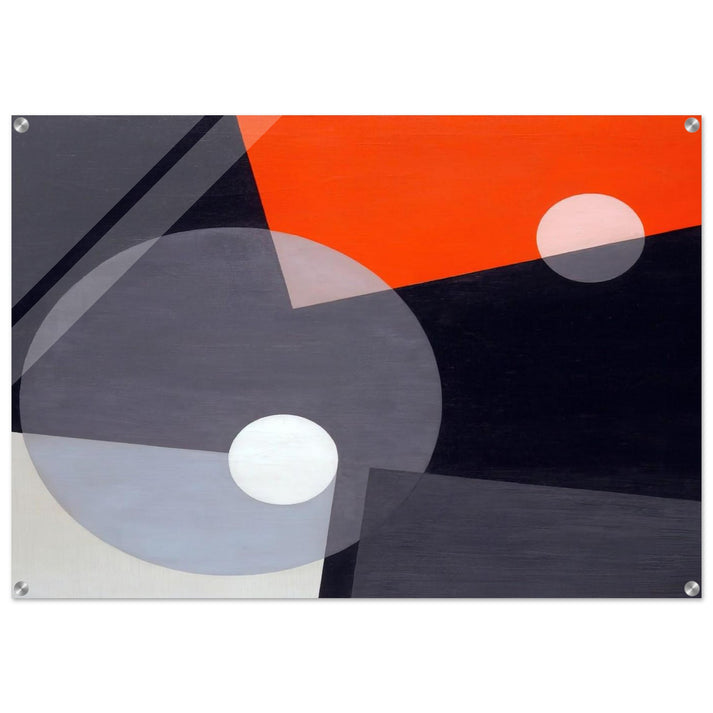
Elevate your space with a defining work of 20th-century modernism. László Moholy-Nagy's 'Am 7 26' is a sublime exploration of geometric harmony, transparency, and the intersection of light and form. As a pivotal figure of the Bauhaus school, Moholy-Nagy sought to integrate technology and art—a vision perfectly realized in this museum-quality acrylic reproduction from RedKalion.
The composition of 'Am 7 26' features overlapping planes and precise linear elements that create a sense of deep, architectural space. By choosing an acrylic print for this specific masterpiece, the inherent qualities of the artwork are magnified. The acrylic medium enhances the vibrant color palette and the subtle shifts in transparency that Moholy-Nagy famously pioneered in his 'New Vision' theory.
Sophisticated Materiality and Archival Excellence
RedKalion is dedicated to providing art collectors with archival-grade pieces that endure. Our acrylic prints offer a sleek, modern aesthetic that complements the avant-garde nature of the Bauhaus movement. This piece is crafted using 4mm (0.15") premium acrylic, ensuring both durability and a high-gloss finish that adds extraordinary depth to the geometric shapes.
- Vibrant Clarity: The 4mm acrylic allows light to penetrate, making the colors of 'Am 7 26' appear exceptionally vivid.
- Modern Edge: Straight-cut corners provide a clean, contemporary silhouette that suits minimalist and high-end interiors.
- Complete Installation Kit: Each print includes high-quality mounting hardware: screws and pre-drilled holes at each corner (14mm from the edge) for a secure, floating presentation.
- Optimized Presentation: To ensure the highest fidelity to Moholy-Nagy's original intent, any transparent sections in the artwork default to a crisp white background.
Invest in a piece of art history. This large-format 70x100 cm (28x40″) Laszlo Moholy-Nagy wall art serves as more than decoration; it is a conversation piece that reflects a deep appreciation for the pioneers of abstract design.


Discover Unlimited Art Possibilities
At RedKalion, you can find virtually any artwork from any artist, available in a wide range of sizes to perfectly match your space.
If you didn’t find what you’re looking for, contact us at support@redkalion.com . We will source any artwork and produce it in any size and format you need, including art prints, posters, canvas, framed pieces, framed canvas, and more.
For dedicated art enthusiasts, we also offer handcrafted replicas of any artwork, carefully painted by highly skilled artists using traditional techniques.
For custom requests, contact us at support@redkalion.com .
What materials are used for the Am 7 26 acrylic print?
We use 4mm (0.15") premium acrylic for a sleek, durable, and vibrant finish. This material enhances the depth and clarity of Laszlo Moholy-Nagy's geometric forms, providing a museum-quality aesthetic for your wall art.
How is the artwork mounted to the wall?
The print includes a specialized hanging kit with screws. It features pre-drilled holes at each corner, located 14mm from the edge. The 15mm screw heads ensure a secure and sophisticated floating installation.
What makes this Moholy-Nagy reproduction museum-quality?
RedKalion utilizes archival-grade printing techniques on high-definition acrylic. This ensures long-term UV resistance and color fidelity, replicating the original 1926 masterpiece with the precision and authority expected by fine art collectors.
How does the transparency in the artwork translate to the acrylic medium?
While the acrylic itself is clear, any transparent or white areas in the original digital file are printed with a solid white backing to ensure optimal color saturation and visual impact.
What are the shipping and handling procedures for this large print?
Each 70x100 cm print is meticulously packaged in protective layers to prevent scratches or cracks. We partner with specialized carriers to ensure your archival masterpiece arrives in pristine condition.
What was the inspiration behind Laszlo Moholy-Nagy's Am 7 26?
Created in 1926, Am 7 26 explores the 'New Vision.' Moholy-Nagy was inspired by the interplay of industrial materials, light, and the tension between overlapping geometric shapes to redefine spatial perception.
Why is Moholy-Nagy considered a pioneer of the Bauhaus movement?
Moholy-Nagy was a visionary educator who integrated technology, photography, and design. His focus on 'Equilibrium' and industrial aesthetics helped transition the Bauhaus into its influential functionalist and constructivist phase.