

RedKalion
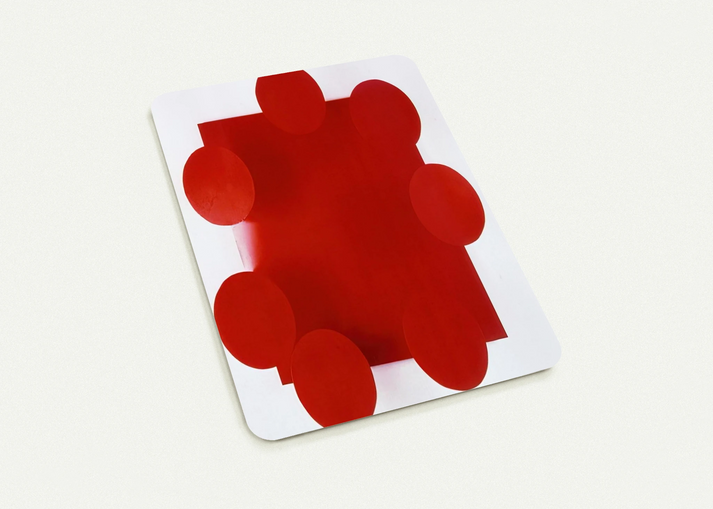
Amazonino #1 - 1989 By Lygia Pape Pack of 10 Post Cards | Lygia Pape Post Cards | A6 (10.5 x 14.8 cm) - 4.1 x 5.8 inches
Amazonino #1 - 1989 By Lygia Pape Pack of 10 Post Cards | Lygia Pape Post Cards | A6 (10.5 x 14.8 cm) - 4.1 x 5.8 inches
Couldn't load pickup availability
Elevate Your Correspondence with Lygia Pape’s Amazonino #1
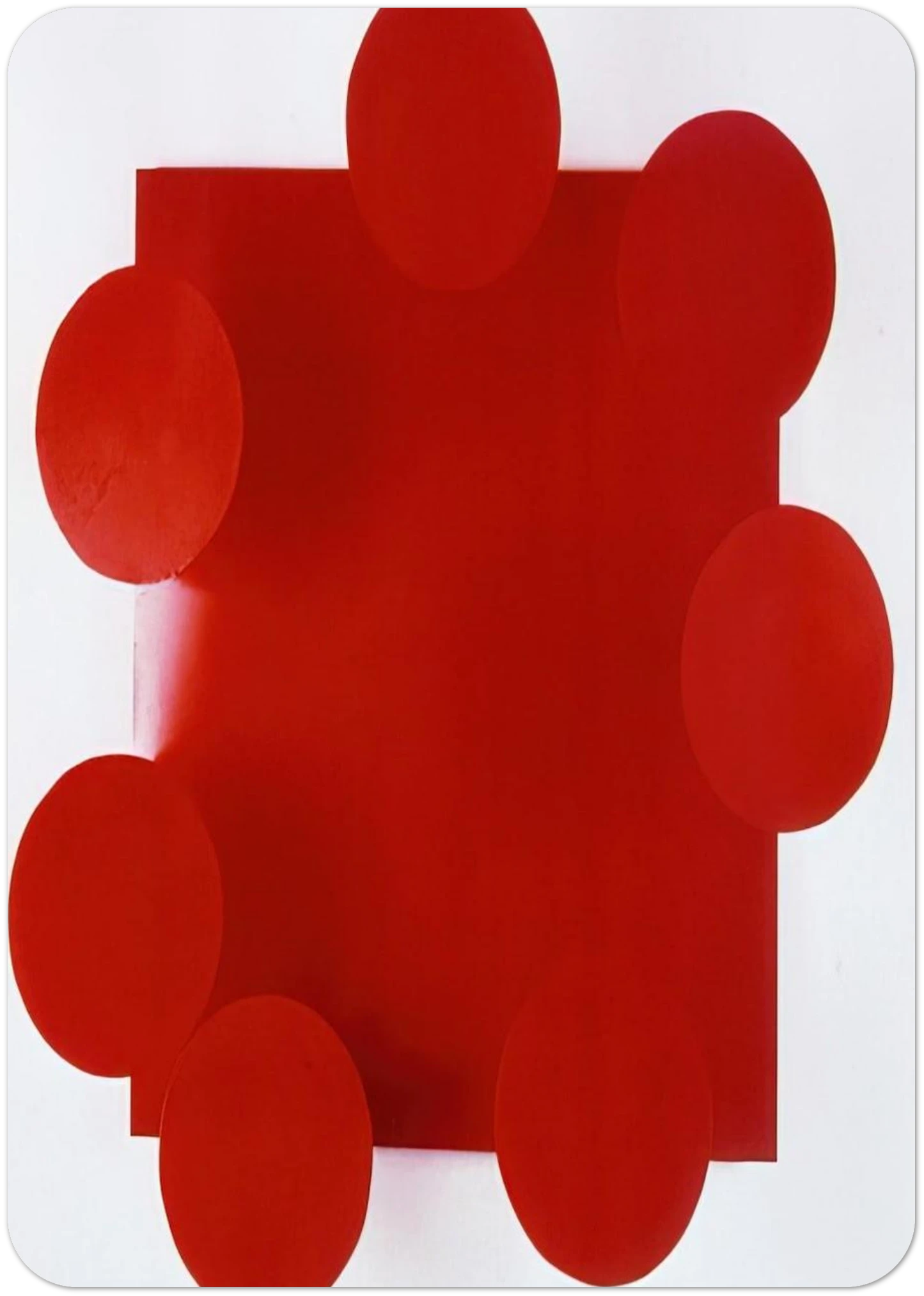
Experience the rhythmic vitality of Brazilian Neo-Concretism with this exclusive pack of 10 postcards featuring Amazonino #1 (1989) by the legendary Lygia Pape. A central figure in the integration of modernism with the sensory experience, Pape’s Amazoninos series represents a profound exploration of spatial energy. Inspired by aerial views of the Amazon rainforest, these works translate the organic complexity of nature into bold, geometric metal forms that appear to float against the wall. At RedKalion, we bring this architectural mastery to a portable format, ensuring each postcard serves as a miniature archival masterpiece.
Museum-Quality Craftsmanship in Every Detail
To honor Pape's meticulous use of color and shadow, our fine art prints utilize advanced 12-color fine art printing technology. Unlike standard 4-color inkjet processes, this method captures the nuanced depth and vibrant pigments of the original 1989 sculpture. Each card is printed on premium 200 gsm (80 lb) paper with a thickness of 0.26 mm, providing a substantial, tactile feel that distinguishes it from mass-produced stationery.
Sustainable Art for the Modern Collector
RedKalion is committed to preserving both art and the environment. These museum-quality reproductions are printed on FSC-certified, environmentally conscious paper. The smooth matte finish ensures a clean, glare-free display, making these A6 postcards equally suitable for heartfelt messages or as a curated set for a minimalist wall gallery. By choosing these on-demand prints, you support a waste-free production cycle while inviting the legacy of one of Latin America's most influential artists into your daily life.
- Artist: Lygia Pape (1927–2004)
- Format: Pack of 10 flat postcards, A6 Size (10.5 x 14.8 cm)
- Paper: 200 gsm smooth matte, archival-grade
- Printing: 12-color pigment-based technology for superior vibrancy
- Ethical Production: FSC-certified materials, printed on demand


Discover Unlimited Art Possibilities
At RedKalion, you can find virtually any artwork from any artist, available in a wide range of sizes to perfectly match your space.
If you didn’t find what you’re looking for, contact us at support@redkalion.com . We will source any artwork and produce it in any size and format you need, including art prints, posters, canvas, framed pieces, framed canvas, and more.
For dedicated art enthusiasts, we also offer handcrafted replicas of any artwork, carefully painted by highly skilled artists using traditional techniques.
For custom requests, contact us at support@redkalion.com .
What makes the Amazonino #1 - 1989 postcards special?
These postcards feature Lygia Pape's iconic Neo-Concrete work, Amazonino #1. Printed with 12-color technology on 200 gsm FSC-certified paper, they offer museum-quality archival reproductions of Brazilian modernism in a versatile, high-end postcard format.
What printing technology is used for these fine art postcards?
We use 12-color fine art printing technology. This system provides significantly better color accuracy and depth than standard 4-color printers, ensuring the bold aesthetics of Lygia Pape’s work are perfectly preserved.
Is the paper used for these prints environmentally friendly?
Yes, all our postcards are printed on FSC-certified paper. This ensures that the materials are sourced from responsibly managed forests, aligning our commitment to fine art with environmental sustainability.
What is the weight and finish of the Lygia Pape postcards?
Each postcard is printed on 200 gsm (80 lb) paper with a thickness of 0.26 mm (10.3 mils). They feature a smooth matte finish, which provides a sophisticated, glare-free appearance.
How long does shipping typically take for these on-demand prints?
As each set is printed on demand to ensure maximum quality and zero waste, processing usually takes 1-3 business days before shipping. Delivery times vary based on your location.
What was Lygia Pape's inspiration for the Amazoninos series?
Pape was inspired by aerial perspectives of the Amazon forest. The series explores the tension between industrial materials and the fluid, organic energy of the Brazilian landscape, representing a peak in her spatial research.
What was the Neo-Concrete movement in Brazil?
The Neo-Concrete movement (1959–1961), which Pape co-founded, rejected the rigid rationalism of pure Concrete art. It favored subjectivity, organic expression, and the active sensory participation of the viewer with the artwork.