
RedKalion
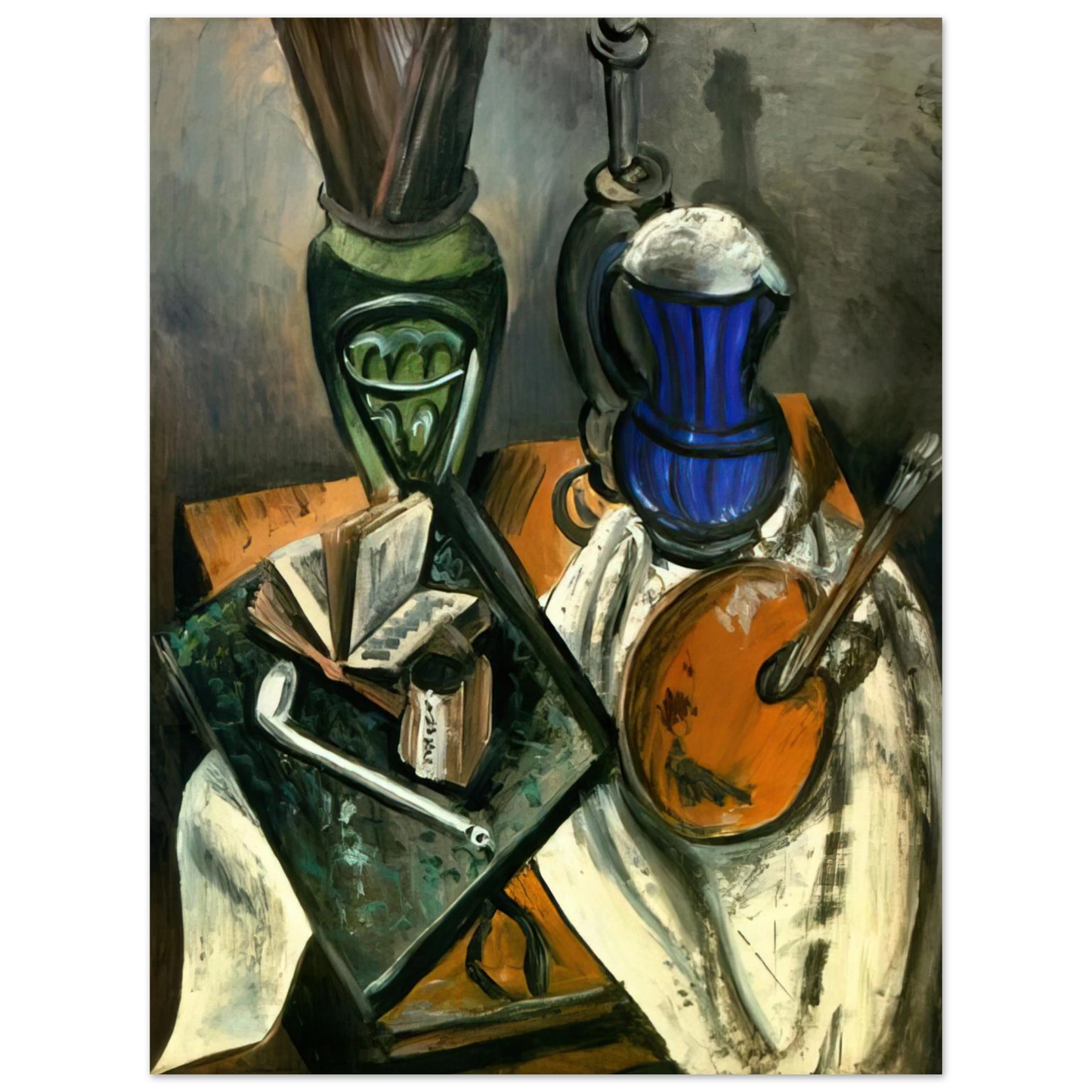
Andre Derain - STILL LIFE 1914 75x100 cm / 30x40inches Fine Art Poster
Andre Derain - STILL LIFE 1914 75x100 cm / 30x40inches Fine Art Poster
Couldn't load pickup availability
Elevate Your Collection with André Derain’s Still Life (1914)
Immerse yourself in a pivotal moment of modern art history with this museum-quality reproduction of André Derain’s Still Life (1914). As a primary figure of the Fauvist movement, Derain’s 1914 works represent a fascinating evolution, often referred to as his 'gothic' or 'neoclassical' period. This specific piece captures a sophisticated transition from the wild color palettes of his youth toward a more structured, somber, and rhythmic composition that prefigures the return to order in European art.
At RedKalion, we honor the gravity of this masterpiece by utilizing our Master's Edition archival paper. This premium, off-white, natural white paper provides a luxurious, uncoated matte finish that avoids glare, allowing the subtle tonalities and deliberate brushwork of Derain to remain the focal point. Our commitment to excellence ensures that every fine art print we curate serves as a lasting testament to the artist’s vision.
Technical Excellence and Materiality
Every André Derain fine art poster is produced to satisfy the most discerning collectors and interior designers. We utilize a heavyweight 250 gsm (110 lb) paper with a thickness of 0.29 mm (11.4 mils), providing a substantial tactile feel and exceptional durability. Our process adheres to the highest archival standards:
- Archival Longevity: Our paper is acid-free with a pH value above 7, preventing yellowing and ensuring your investment remains pristine for generations.
- Sustainability: We exclusively use FSC-certified paper, supporting responsible forestry practices.
- Visual Depth: The matte, natural white surface enhances the depth of Derain’s 1914 palette without the artificial sheen of standard commercial posters.
By choosing RedKalion, you are not merely purchasing a reproduction; you are acquiring a curated piece of art history, meticulously printed on demand to ensure the highest quality control and zero waste. This 75x100 cm (30x40 inches) statement piece brings the cerebral elegance of the early 20th-century avant-garde into the modern home.
Discover Unlimited Art Possibilities
At RedKalion, you can find virtually any artwork from any artist, available in a wide range of sizes to perfectly match your space.
If you didn’t find what you’re looking for, contact us at support@redkalion.com . We will source any artwork and produce it in any size and format you need, including art prints, posters, canvas, framed pieces, framed canvas, and more.
For dedicated art enthusiasts, we also offer handcrafted replicas of any artwork, carefully painted by highly skilled artists using traditional techniques.
For custom requests, contact us at support@redkalion.com .
What makes this André Derain print "museum-quality"?
RedKalion uses Master's Edition archival paper, characterized by its 250 gsm weight and acid-free composition. This ensures the reproduction maintains the integrity, color depth, and texture of the original work, mirroring the standards found in world-class art galleries.
What are the technical specifications of the paper used?
We use 250 gsm (110 lb) paper with a thickness of 0.29 mm (11.4 mils). It features a natural white, uncoated matte finish, providing a sophisticated texture that avoids glare and highlights the artwork's fine details.
How is the "Still Life 1914" print shipped?
Our prints are produced and shipped on demand with no minimum order requirements. Each piece is meticulously packaged in robust, protective materials to ensure it arrives at your door in gallery-perfect condition.
Will the colors of this Derain reproduction fade over time?
No. Our prints are made on acid-free paper with a pH level above 7. This archival standard prevents the paper from yellowing or the ink from degrading, ensuring the artwork's longevity for decades.
Is the paper used for this fine art poster sustainable?
Yes, RedKalion is committed to environmental responsibility. We use FSC-certified paper (Forest Stewardship Council), ensuring that the materials for your print are sourced from responsibly managed forests.
What was André Derain's artistic style in 1914?
In 1914, Derain shifted from the vibrant colors of Fauvism to a more restrained, 'gothic' style. This period emphasized structural geometry and a somber palette, influenced by both Cubism and early Renaissance masters.
What does this still life composition represent in modern art history?
Still Life (1914) represents the 'Return to Order' movement. It showcases Derain's mastery of balance and his ability to infuse everyday objects with a sense of timeless, architectural stability during a period of global unrest.