
RedKalion
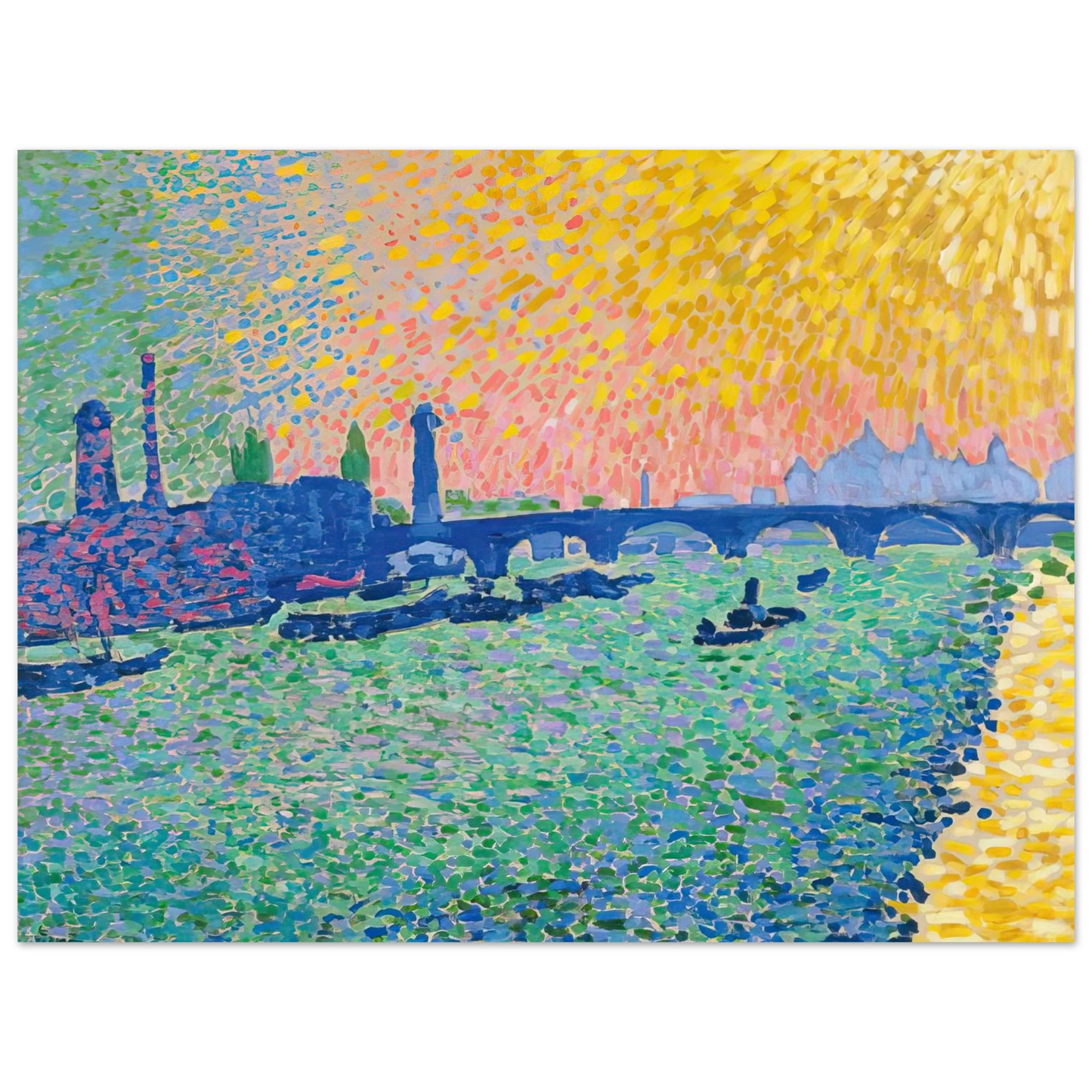
Andre Derain - WATERLOO BRIDGE 1906 75x100 cm / 30x40inches Fine Art Poster
Andre Derain - WATERLOO BRIDGE 1906 75x100 cm / 30x40inches Fine Art Poster
Couldn't load pickup availability
The Radiant Modernism of André Derain’s Waterloo Bridge (1906)
Step into the vibrant dawn of the 20th century with this museum-quality reproduction of André Derain’s Waterloo Bridge (1906). A foundational masterpiece of the Fauvist movement, this work represents a pivotal moment in art history when color was liberated from its descriptive role. Commissioned by the legendary art dealer Ambroise Vollard to capture the essence of London, Derain reimagined the Thames not in fog, but in a rhythmic explosion of cobalt blues, radiant yellows, and shimmering violets.
At RedKalion, we preserve the integrity of Derain’s expressive, mosaic-like brushwork through our Master’s Edition archival paper. This fine art print allows you to experience the texture and intensity of the original oil on canvas, bringing a sophisticated, avant-garde energy to any curated space. Unlike mass-produced posters, our prints are crafted for the discerning collector who values historical significance and uncompromising physical quality.
Unrivaled Material Excellence
Every print is meticulously produced to ensure it remains a legacy piece in your collection. We utilize a matte, uncoated natural white (off-white) paper that eliminates glare, allowing the high-key colors of the Fauve palette to breathe. Our technical specifications meet the highest museum standards:
- Weight and Substance: Printed on heavy 250 gsm (110 lb) archival paper for a premium, tactile feel.
- Archival Longevity: Acid-free paper with a pH above 7 prevents yellowing, ensuring Derain’s vision remains vibrant for generations.
- FSC-Certified: Our commitment to the arts is matched by our commitment to the planet, using responsibly sourced materials.
- Precision Detail: With a thickness of 0.29 mm (11.4 mils), the paper provides a robust, luxurious structure for the 75x100 cm (30x40 inches) format.
Elevate your interior with an archival masterpiece that endures. RedKalion ensures that each Waterloo Bridge reproduction is printed and shipped on demand with the utmost care, bridging the gap between historical heritage and contemporary luxury.
Discover Unlimited Art Possibilities
At RedKalion, you can find virtually any artwork from any artist, available in a wide range of sizes to perfectly match your space.
If you didn’t find what you’re looking for, contact us at support@redkalion.com . We will source any artwork and produce it in any size and format you need, including art prints, posters, canvas, framed pieces, framed canvas, and more.
For dedicated art enthusiasts, we also offer handcrafted replicas of any artwork, carefully painted by highly skilled artists using traditional techniques.
For custom requests, contact us at support@redkalion.com .
What defines the quality of this André Derain fine art print?
Our reproduction uses Master’s Edition archival paper, weighing 250 gsm. This museum-quality, acid-free medium ensures the vibrant Fauvist colors of Waterloo Bridge are captured with exceptional depth and historical accuracy.
What is the texture and finish of the paper?
The print features a luxurious matte, uncoated finish on a natural white (off-white) base. This specific texture prevents reflections and provides a sophisticated, gallery-ready aesthetic for large-format displays.
Will the colors fade over time?
No. We use acid-free paper with a pH above 7, which prevents yellowing and degradation. Combined with archival-grade inks, this ensures your André Derain masterpiece retains its brilliance for decades.
How is the print shipped and fulfilled?
RedKalion prints and ships each order on demand to ensure perfect condition. There are no minimum orders, and each piece is carefully packaged to protect the heavy 250 gsm paper during transit.
Is the paper used for this reproduction sustainable?
Yes, we use FSC-certified paper or equivalent certifications depending on regional availability. This guarantees that your fine art poster supports responsible forest management and environmental sustainability.
Why did André Derain paint Waterloo Bridge in 1906?
Derain was commissioned by dealer Ambroise Vollard to produce a London series that would rival Claude Monet’s Impressionist views, resulting in these revolutionary, high-color Fauvist interpretations of the Thames.
What art movement does Waterloo Bridge belong to?
This 1906 work is a definitive example of Fauvism. The movement, led by Derain and Matisse, is characterized by 'wild' non-naturalistic colors and bold, expressive brushstrokes that prioritized emotion over realism.