
RedKalion
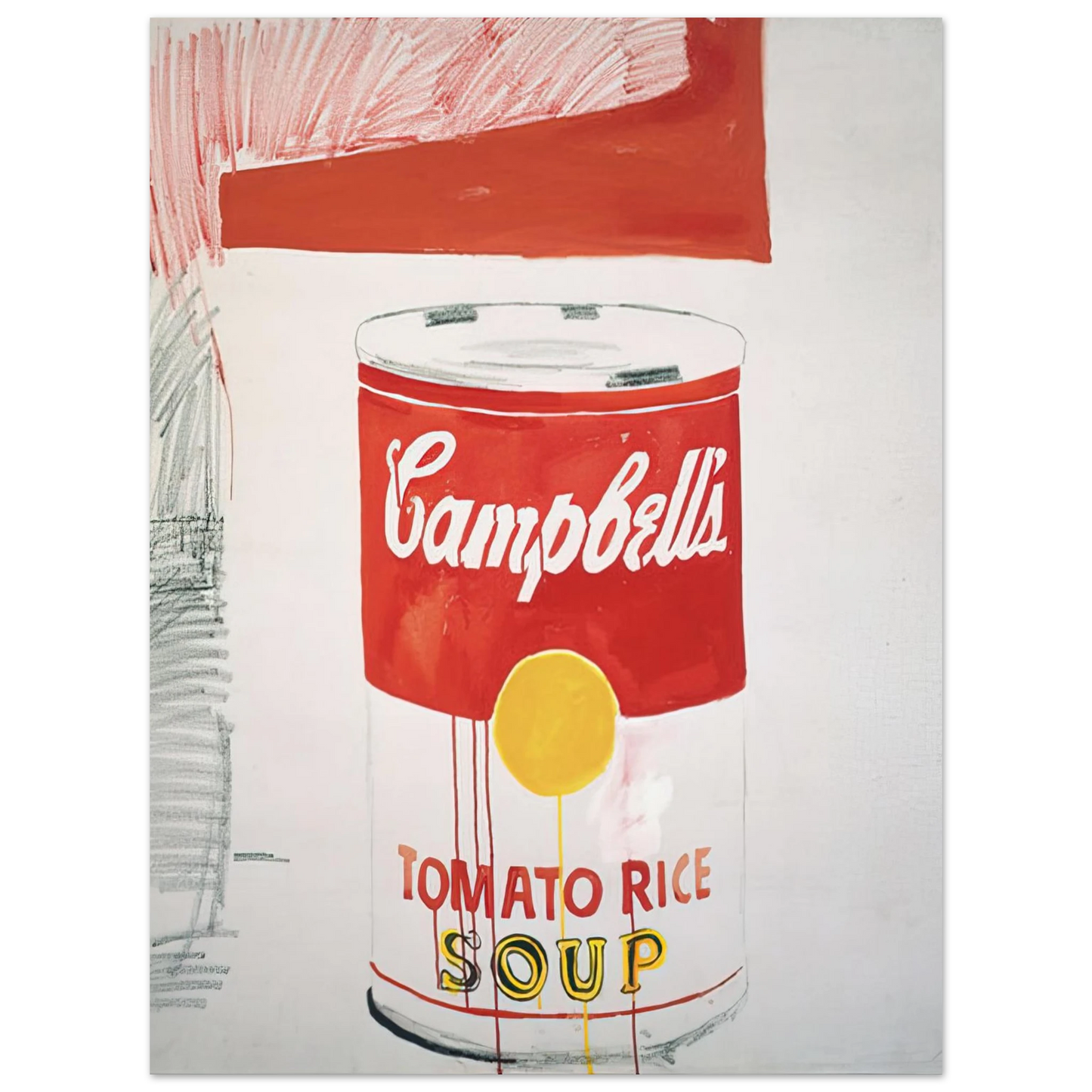
Andy Warhol - Campbell's Soup Can Tomato Rice Fine Art Poster
Andy Warhol - Campbell's Soup Can Tomato Rice Fine Art Poster
Couldn't load pickup availability
A Definitive Icon: Andy Warhol’s Campbell's Soup Can (Tomato Rice)
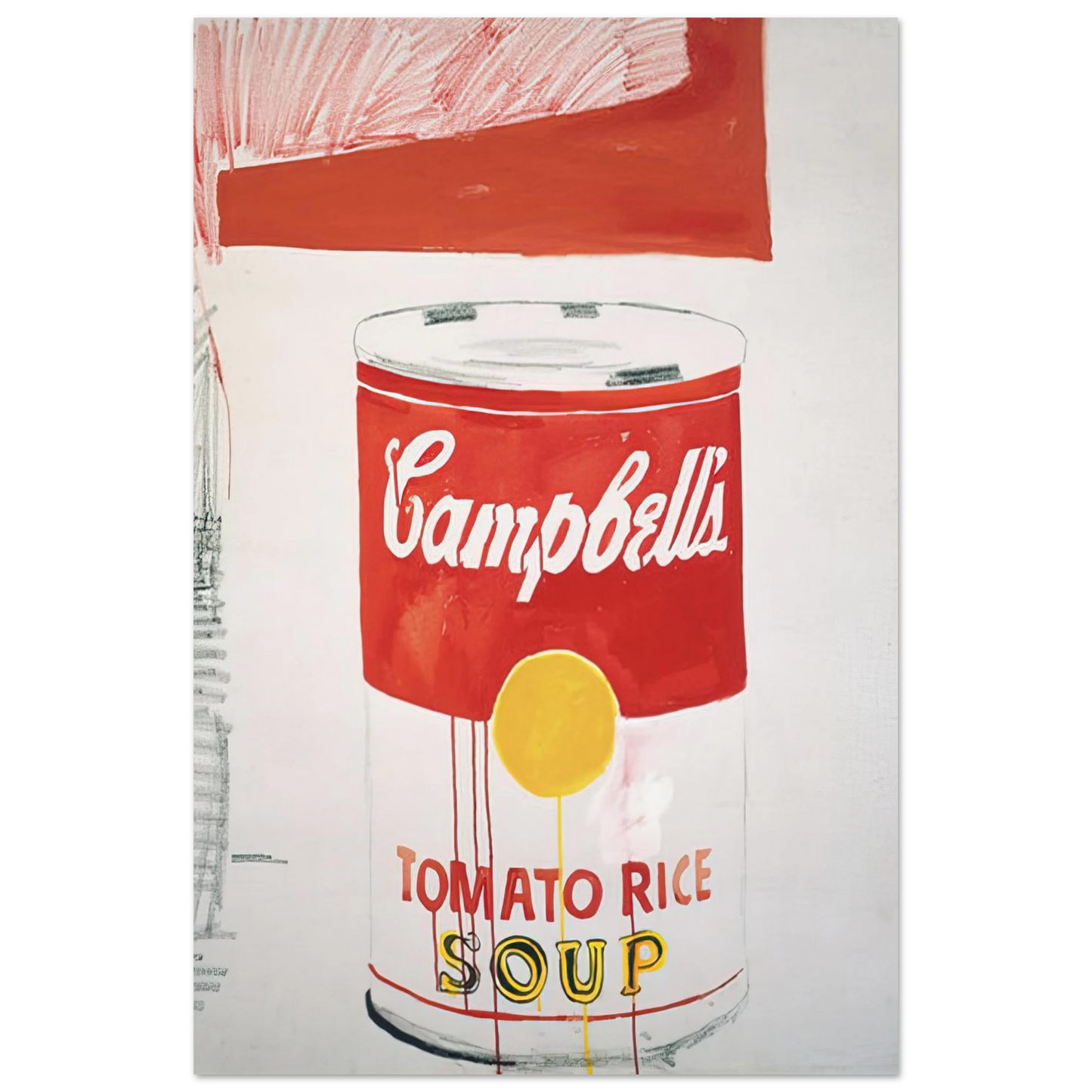
In 1962, Andy Warhol transformed the landscape of contemporary art with his series of thirty-two canvases, each depicting a different flavor of Campbell’s Soup. Among these, the Tomato Rice variant remains a quintessential example of Warhol’s fascination with consumerism and the repetition of daily life. This fine art poster captures the essence of the Pop Art movement, offering a bold, graphic aesthetic that remains as relevant today as it was in the mid-century.
Museum-Quality Execution
At RedKalion, we curate our reproductions to meet the highest standards of the fine art market. This piece is printed on our Master's Edition archival paper, a premium 250 gsm (110 lb) substrate that offers a sophisticated, matte and uncoated finish. The natural white (off-white) tone provides a luxurious texture that eliminates glare, allowing the vibrant reds and golds of Warhol’s palette to resonate with absolute clarity.
- Historical Significance: Part of the legendary series that redefined "High Art" through commercial imagery.
- Archival Longevity: Acid-free (pH above 7) to ensure your museum-quality reproduction remains pristine without yellowing over time.
- Physical Presence: A substantial 0.29 mm (11.4 mils) thickness provides a premium, heavy-weight feel.
- Sustainability: Printed on FSC-certified paper, reflecting a commitment to environmental responsibility.
By choosing this fine art print, you are not merely purchasing a poster; you are acquiring a piece of art history meticulously crafted for the modern interior. Elevate your space with an archival masterpiece from RedKalion that endures through generations.

Discover Unlimited Art Possibilities
At RedKalion, you can find virtually any artwork from any artist, available in a wide range of sizes to perfectly match your space.
If you didn’t find what you’re looking for, contact us at support@redkalion.com . We will source any artwork and produce it in any size and format you need, including art prints, posters, canvas, framed pieces, framed canvas, and more.
For dedicated art enthusiasts, we also offer handcrafted replicas of any artwork, carefully painted by highly skilled artists using traditional techniques.
For custom requests, contact us at support@redkalion.com .
What paper quality is used for this Andy Warhol print?
We use Master's Edition archival paper, featuring a museum-quality 250 gsm weight. This heavy, natural white paper offers a sophisticated matte finish that enhances the visual depth of the print.
Is the Campbell's Soup Can print archival quality?
Yes, our prints are produced on acid-free paper with a pH level above 7. This prevents yellowing and degradation over time, ensuring your fine art reproduction lasts for decades.
Does this fine art poster arrive framed?
This product is a premium fine art print. We ship it unframed to allow you to select a mounting option that best fits your personal interior design style.
How is the shipping and fulfillment handled?
RedKalion prints and ships each order on demand. There are no minimum order requirements, and each print is meticulously packaged to ensure safe arrival at your door.
Is the paper used for this poster sustainable?
Absolutely. We prioritize sustainability by using FSC-certified paper, ensuring that the materials for your Andy Warhol reproduction are sourced from responsibly managed forests.
Why did Andy Warhol choose Campbell's Soup Cans as a subject?
Warhol chose the soup cans to blur the lines between "high art" and commercial products, reflecting the ubiquity of mass production and the consumerist culture of the 1960s.
What is the significance of the Tomato Rice variant in Warhol's work?
The Tomato Rice flavor represents one of the 32 unique varieties Warhol depicted in 1962, emphasizing how mass-produced goods offer a strange kind of democratic equality in modern life.