

RedKalion
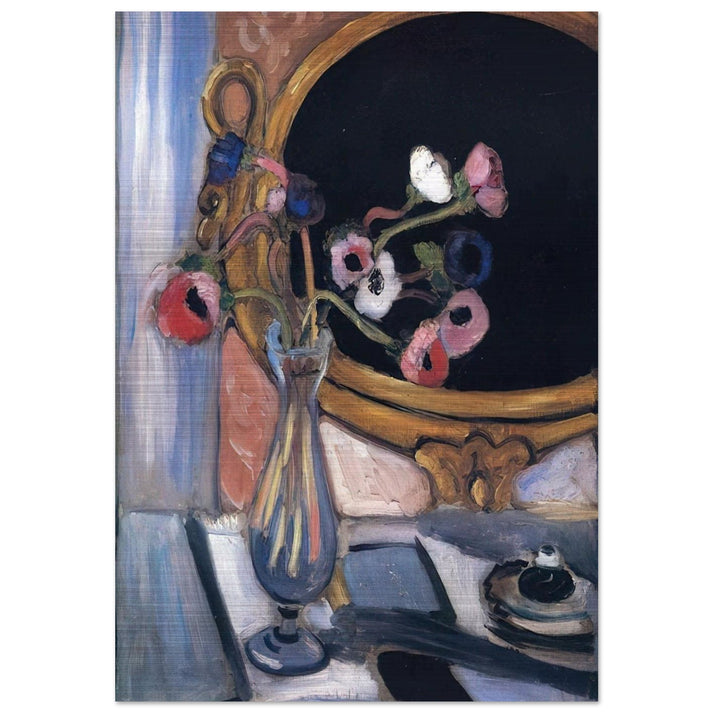
ANEMONE AND MIRROR 1920 - Henri Matisse Brushed Aluminum Print - 70x100 cm / 28x40 inches | Henri Matisse Aluminum Print | Henri Matisse Prints
ANEMONE AND MIRROR 1920 - Henri Matisse Brushed Aluminum Print - 70x100 cm / 28x40 inches | Henri Matisse Aluminum Print | Henri Matisse Prints
Couldn't load pickup availability
Elevate Your Space with Henri Matisse's 'Anemone and Mirror' (1920)
Step into the luminous world of early 20th-century modernism with this Henri Matisse Aluminum Print. Painted in 1920 during Matisse's pivotal 'Nice Period,' Anemone and Mirror is a masterful exploration of light, domesticity, and spatial depth. This piece captures a serene interior arrangement, where the delicate anemones and the reflective surface of the mirror create a harmonious dialogue of form and color.
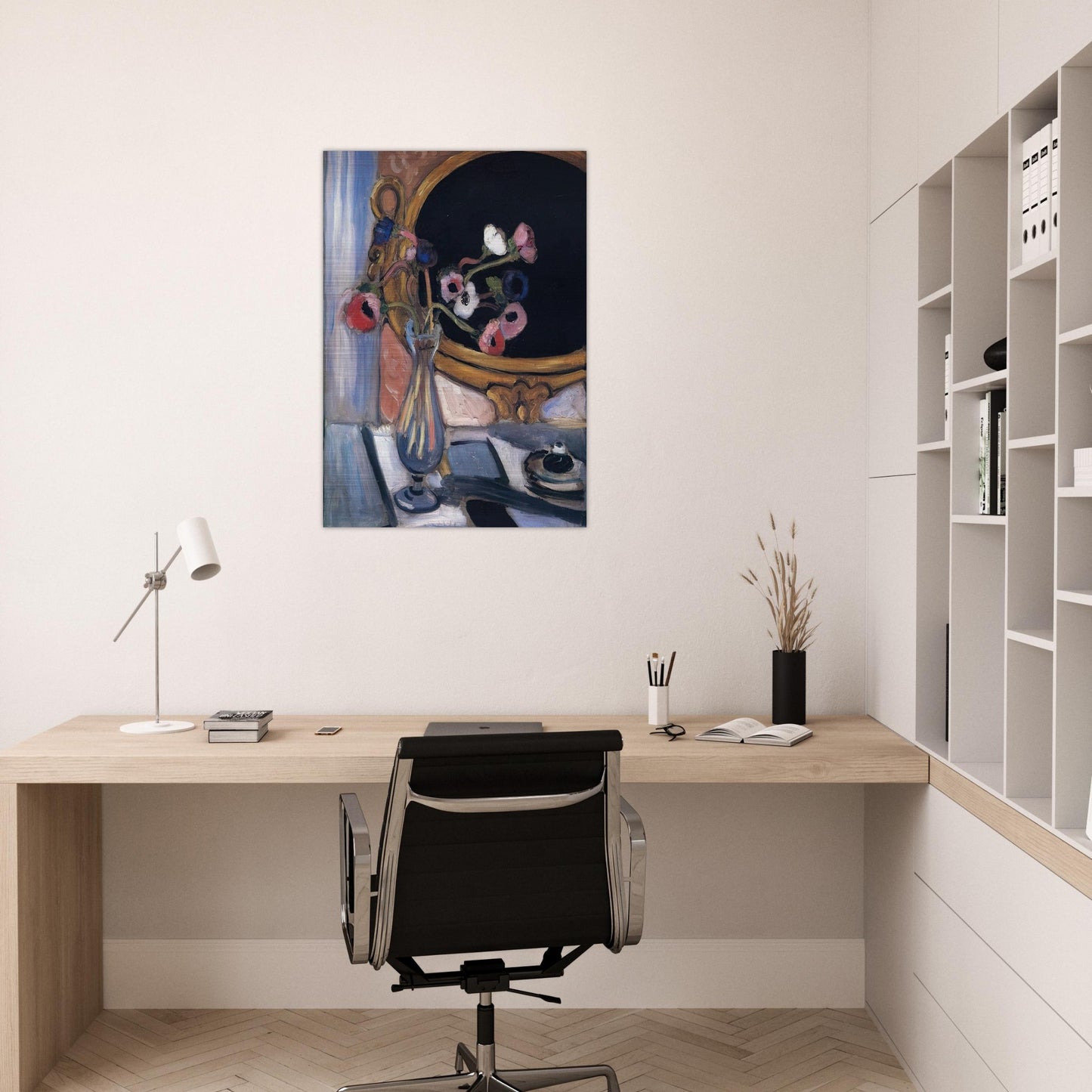
As an elite curator of fine art prints, RedKalion presents this masterpiece as a museum-quality reproduction. We have chosen the avant-garde medium of Brushed silver Aluminum DIBOND® to breathe new life into Matisse's vision. The 3mm (0.12") thick, rigid base offers a contemporary, industrial elegance that perfectly complements the soft, organic lines of Matisse's brushwork.
The Intersection of Art History and Modern Technology
Henri Matisse was a pioneer of the Fauvist movement, known for his expressive use of color. In Anemone and Mirror, he moves toward a more subtle, atmospheric style while retaining his characteristic focus on decorative patterns. Our direct-to-surface printing technique preserves the vivid colors and intricate details of the original oil painting, while the matte, glare-free finish ensures the artwork can be appreciated from any angle.
- Dynamic Visual Depth: The horizontal grain of the brushed aluminum gives the print a shimmering, metallic finish.
- Unique Silver Effect: Any unprinted white areas in the design reveal the raw silver of the aluminum, creating a striking contrast with the vibrant pigments.
- Archival Durability: This is not just a poster; it is a durable, archival-grade reproduction designed to endure as a centerpiece of your collection.
- Seamless Installation: Each 70x100 cm print arrives with a specialized hanging kit tailored to your location, ensuring a secure and professional display.
By choosing this Henri Matisse print from RedKalion, you are investing in an archival masterpiece that honors the legacy of one of history's greatest colorists. This brushed aluminum edition transforms a historical gem into a modern statement of sophistication and artistic authority.


Discover Unlimited Art Possibilities
At RedKalion, you can find virtually any artwork from any artist, available in a wide range of sizes to perfectly match your space.
If you didn’t find what you’re looking for, contact us at support@redkalion.com . We will source any artwork and produce it in any size and format you need, including art prints, posters, canvas, framed pieces, framed canvas, and more.
For dedicated art enthusiasts, we also offer handcrafted replicas of any artwork, carefully painted by highly skilled artists using traditional techniques.
For custom requests, contact us at support@redkalion.com .
What makes this Matisse reproduction unique?
Unlike traditional paper prints, this reproduction uses brushed silver Aluminum DIBOND®, creating a metallic, high-fidelity finish that enhances the light-play in Matisse's 1920 composition.
What are the specifications of the Brushed Aluminum DIBOND®?
The print is 3mm (0.12") thick, featuring a rigid, durable base with a horizontal grain and a matte, glare-free finish for premium visual clarity.
How does the metallic silver finish affect the image?
In this Henri Matisse aluminum print, unprinted white areas are not white; they reveal the brushed silver surface, adding a dynamic, contemporary metallic effect.
Is the hanging hardware included with the print?
Yes, every museum-quality print from RedKalion includes a hanging kit. The specific hardware varies by fulfillment country to ensure the most secure installation.
What is the archival longevity of this print?
Using direct-to-substrate printing and archival-grade Aluminum DIBOND®, this piece is designed to be fade-resistant and structurally sound for decades, maintaining its museum-quality appearance.
What is the historical context of 'Anemone and Mirror'?
Painted in 1920, this work marks Matisse's move to Nice. It showcases his fascination with the soft, Mediterranean light and the intimacy of interior scenes.
Why did Matisse use mirrors in his compositions?
Matisse utilized mirrors as a sophisticated device to experiment with perspective, allowing him to show multiple angles of a room simultaneously and create spatial complexity.