

RedKalion
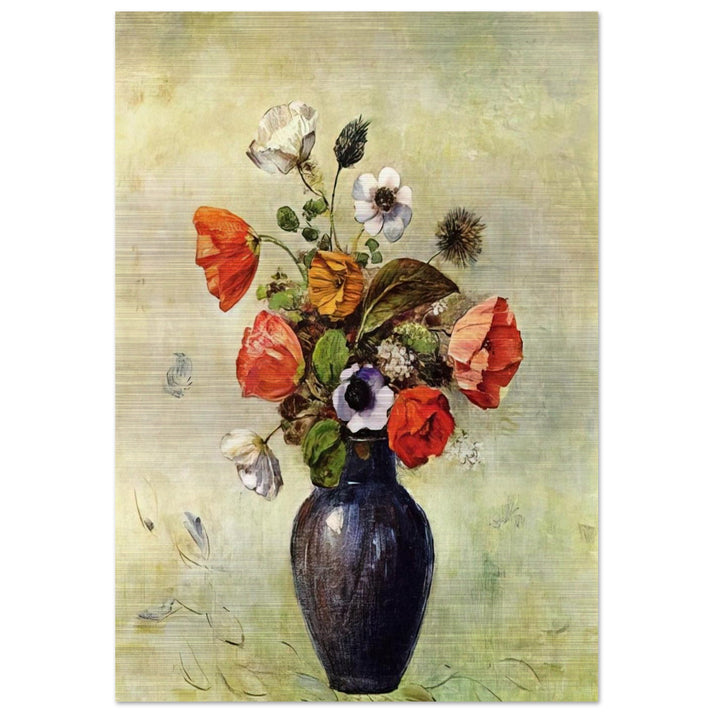
ANEMONES AND POPPIES IN A VASE - Odilon Redon Brushed Aluminum Print - 70x100 cm / 28x40 inches | Odilon Redon Aluminum Print | Odilon Redon Prints
ANEMONES AND POPPIES IN A VASE - Odilon Redon Brushed Aluminum Print - 70x100 cm / 28x40 inches | Odilon Redon Aluminum Print | Odilon Redon Prints
Couldn't load pickup availability
Elevate Your Space with Odilon Redon’s Ethereal Masterpiece
Invite the dreamlike serenity of French Symbolist Odilon Redon into your home with this museum-quality reproduction of Anemones and Poppies in a Vase. Originally conceived during Redon’s late-career shift from his haunting 'noirs' to a vibrant, kaleidoscopic celebration of color, this floral still life transcends the traditional. The delicate petals of anemones and poppies are rendered with a soft, mystical quality that bridges the gap between the botanical world and the subconscious.
The Fusion of Symbolist Art and Modern Materiality
At RedKalion, we believe world-class art deserves a contemporary canvas. This fine art print is meticulously crafted on brushed silver Aluminum DIBOND®. The 3mm (0.12") thick panel provides a rigid, durable base that ensures your investment remains a centerpiece for decades. The unique horizontal grain of the brushed silver adds a dynamic, shimmering depth to Redon’s soft palette, particularly in the highlights and unprinted areas where the raw metallic finish catches the light.
Museum-Grade Technical Specifications
- Direct Print on AluDibond: High-resolution application ensures vivid colors and a sophisticated matte, glare-free finish.
- Metallic Silver Effect: Any white or light areas in Redon’s composition reveal the stunning brushed silver texture of the metal.
- Archival Durability: The 3mm aluminum composite is resistant to fading and environmental factors, making it an ideal choice for a lasting museum-quality reproduction.
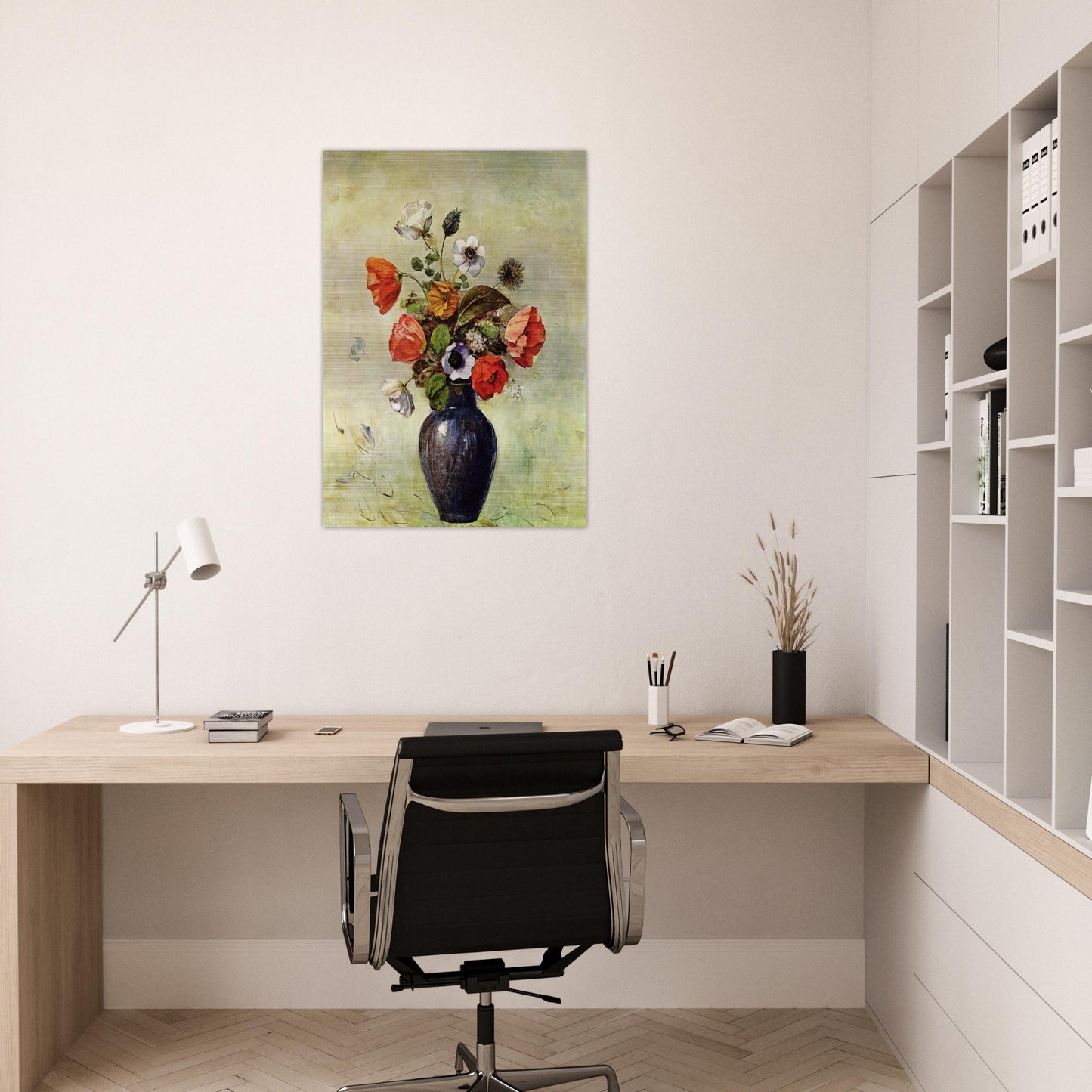
- Ready to Hang: Each piece includes a specialized hanging kit, ensuring your 70x100 cm (28x40 inches) masterpiece is display-ready upon arrival.
By choosing a RedKalion reproduction, you are not merely purchasing a print; you are acquiring an archival-grade artifact that captures the soul of the 19th-century avant-garde. This Odilon Redon aluminum print serves as a sophisticated testament to art history, blending the artist’s visionary technique with cutting-edge printing technology.


Discover Unlimited Art Possibilities
At RedKalion, you can find virtually any artwork from any artist, available in a wide range of sizes to perfectly match your space.
If you didn’t find what you’re looking for, contact us at support@redkalion.com . We will source any artwork and produce it in any size and format you need, including art prints, posters, canvas, framed pieces, framed canvas, and more.
For dedicated art enthusiasts, we also offer handcrafted replicas of any artwork, carefully painted by highly skilled artists using traditional techniques.
For custom requests, contact us at support@redkalion.com .
What makes the brushed aluminum finish unique for this Redon print?
The brushed silver Aluminum DIBOND® adds a horizontal grain and a metallic sheen. White areas in the artwork are not printed, allowing the silver metal to show through, creating a dynamic light-reflecting effect that enhances Redon’s ethereal style.
What is the thickness and durability of the Dibond® panel?
The print is 3mm (0.12") thick, utilizing a rigid aluminum composite material. This ensures the artwork remains perfectly flat and durable, providing a premium, archival-quality base that resists warping over time.
How are white colors handled in this metallic print?
In our brushed aluminum process, white areas of the 'Anemones and Poppies in a Vase' design are left unprinted. This exposes the raw, brushed silver surface, giving the print a sophisticated, industrial-chic aesthetic.
Is the hanging hardware included with my purchase?
Yes, every RedKalion aluminum print comes with a specialized hanging kit. The specific hardware varies based on the fulfillment country to ensure the safest and most effective display for your 70x100 cm panel.
How does RedKalion ensure the archival longevity of the artwork?
We use direct-to-substrate printing with UV-resistant inks on genuine AluDibond. This combination ensures the colors remain vivid and the matte finish stays glare-free, protecting the integrity of the Odilon Redon print for generations.
What is the historical significance of Odilon Redon's floral still lifes?
Redon’s later floral works represented his 'evolution into light.' Moving away from dark lithographs, he used flowers like anemones and poppies to explore the boundary between reality and the supernatural, a hallmark of the Symbolist movement.
Why did Redon choose poppies and anemones as subjects?
Redon was fascinated by the fragile, ephemeral nature of these blooms. Poppies, often associated with sleep and dreams, and anemones, representing transformation, perfectly suited his goal of putting 'the logic of the visible at the service of the invisible.'