RedKalion
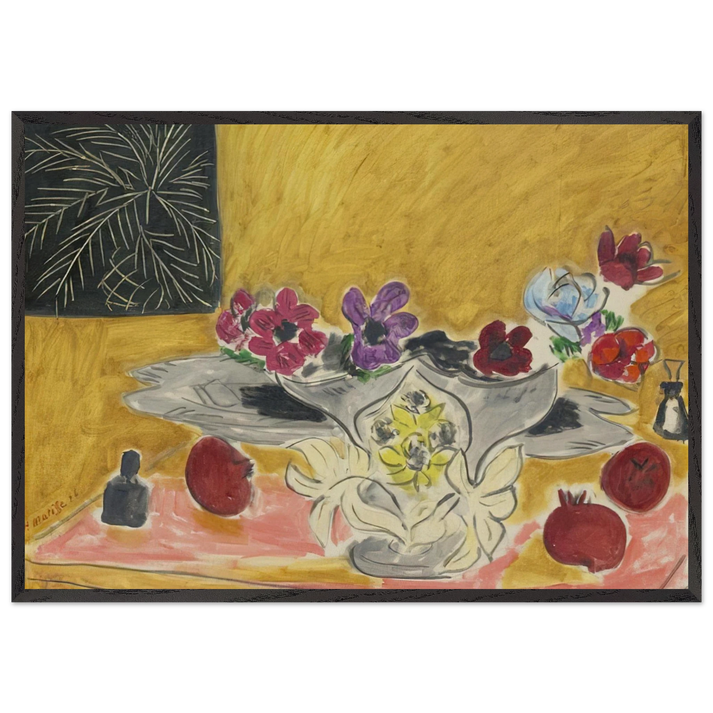
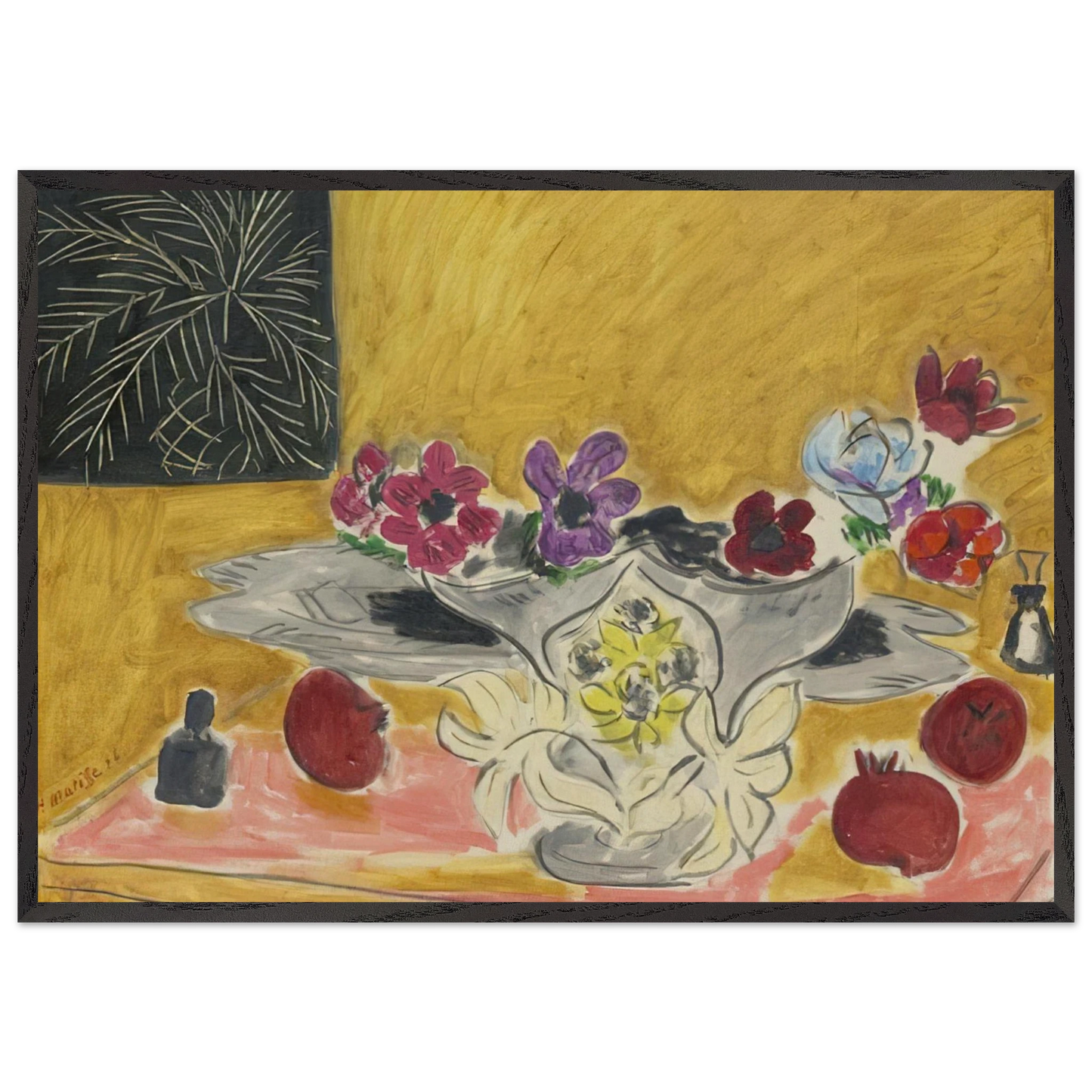
ANEMONES ET GRENADES 1946 - Henri Matisse 70x100 cm / 28x40 inches Framed Art Print – Black Wooden Frame
ANEMONES ET GRENADES 1946 - Henri Matisse 70x100 cm / 28x40 inches Framed Art Print – Black Wooden Frame
Couldn't load pickup availability
Elevate Your Space with Henri Matisse’s Post-War Masterpiece
Experience the vibrant serenity of Henri Matisse’s late-career genius with RedKalion’s museum-quality reproduction of Anémones et grenades (1946). Painted during Matisse’s restorative period in Vence, this work captures the artist's shift toward simplified forms and rhythmic color balances that would eventually lead to his famous cut-outs. This framed art print serves as a window into the Mediterranean light that defined his final decade.
Historical Significance and Artistic Mastery
In 1946, Matisse was refining the concept of the 'decorative' as a high art form. Anémones et grenades is a quintessential example of his ability to harmonize domesticity with bold expressionism. The deep reds of the pomegranates contrast brilliantly against the delicate, ephemeral petals of the anemones, creating a visual dialogue about vitality and renewal. At RedKalion, we preserve this historical narrative through precision color-matching that honors Matisse's original palette.
Archival Quality Meets Sustainable Craftsmanship
Our commitment to excellence ensures that your investment in fine art is protected for generations. This 70x100 cm / 28x40 inches framed print is meticulously produced using the finest materials:
- Archival Museum-Quality Paper: We use 250 gsm (110 lb) natural white, uncoated paper with a sophisticated matte finish, ensuring no glare and a tactile depth typical of gallery originals.
- Premium Framing: The piece is housed in a robust 20mm (0.79") thick frame crafted from responsibly sourced black ash wood, providing a contemporary profile that is sturdier than standard retail frames.
- Lasting Protection: Every print is shielded by shatterproof plexiglass, offering superior clarity and safety while protecting the archival pigments from environmental degradation.
- Ready to Hang: Your artwork arrives fully assembled with a high-quality hanging kit, ready to transform your interior immediately.
By choosing RedKalion, you are not merely purchasing a print; you are acquiring a curated piece of art history, manufactured with FSC-certified materials that respect both the artist’s legacy and the planet’s future.
Discover Unlimited Art Possibilities
At RedKalion, you can find virtually any artwork from any artist, available in a wide range of sizes to perfectly match your space.
If you didn’t find what you’re looking for, contact us at support@redkalion.com . We will source any artwork and produce it in any size and format you need, including art prints, posters, canvas, framed pieces, framed canvas, and more.
For dedicated art enthusiasts, we also offer handcrafted replicas of any artwork, carefully painted by highly skilled artists using traditional techniques.
For custom requests, contact us at support@redkalion.com .
What makes this Matisse print museum-quality?
RedKalion uses 250 gsm archival-grade, acid-free paper and specialized pigment inks. This ensures your Henri Matisse reproduction maintains its color integrity and physical structure without yellowing or fading over time, meeting the standards of world-class galleries.
What are the specifications of the black wooden frame?
The frame is 20mm (0.79") thick and wide, providing a premium, substantial presence compared to thinner 14mm alternatives. It is crafted from responsibly sourced oak or ash wood with a sleek black finish to complement the bold lines of Matisse's work.
How long will this archival print last?
When kept in standard indoor conditions, our archival museum-quality paper and shatterproof plexiglass protection allow the print to remain vibrant for decades. The acid-free, natural white paper prevents the degradation common in mass-market posters.
Are the materials used in this print sustainable?
Yes. We use FSC-certified paper and wood or equivalent regional certifications. This ensures that your fine art print of Anémones et grenades is produced through environmentally responsible and socially beneficial forestry practices.
How is the artwork protected during transit?
We secure each framed print in specialized protective packaging. The use of shatterproof plexiglass ensures the artwork arrives intact, and the pre-installed hanging kit means it is ready for immediate display upon arrival.
What is the significance of the year 1946 in Matisse's work?
1946 marks a pivotal transition for Matisse as he resided in Vence. This period shows his move toward extreme simplification and visual harmony, bridging the gap between his earlier oil paintings and his later revolutionary paper cut-outs.
What do the anemones and pomegranates symbolize in this piece?
In Matisse's iconography, pomegranates often represent fertility and the richness of nature, while anemones symbolize the fleeting beauty of life. Together, they create a balanced composition representing domestic harmony and the vitality of the Mediterranean spirit.