

RedKalion
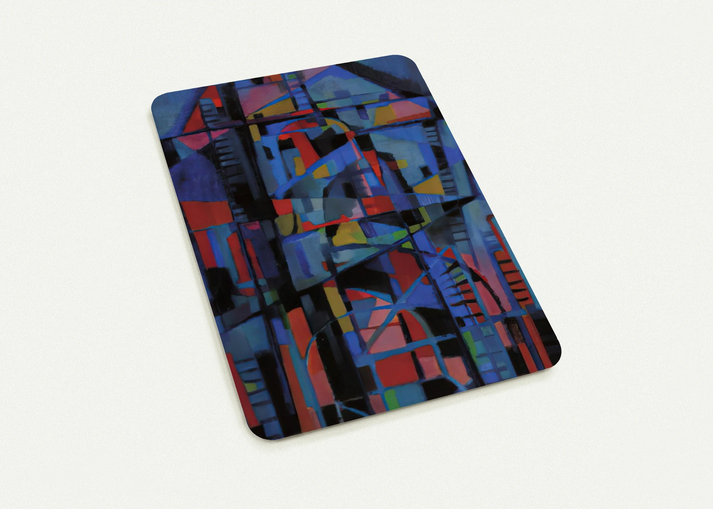
Angelus domini nuntiavit mariæ - 1947 By Alfred Manessier Pack of 10 Post Cards | Alfred Manessier Post Cards | A6 (10.5 x 14.8 cm) - 4.1 x 5.8 inches
Angelus domini nuntiavit mariæ - 1947 By Alfred Manessier Pack of 10 Post Cards | Alfred Manessier Post Cards | A6 (10.5 x 14.8 cm) - 4.1 x 5.8 inches
Couldn't load pickup availability
A Sacred Convergence of Color and Faith: Alfred Manessier’s 1947 Masterpiece
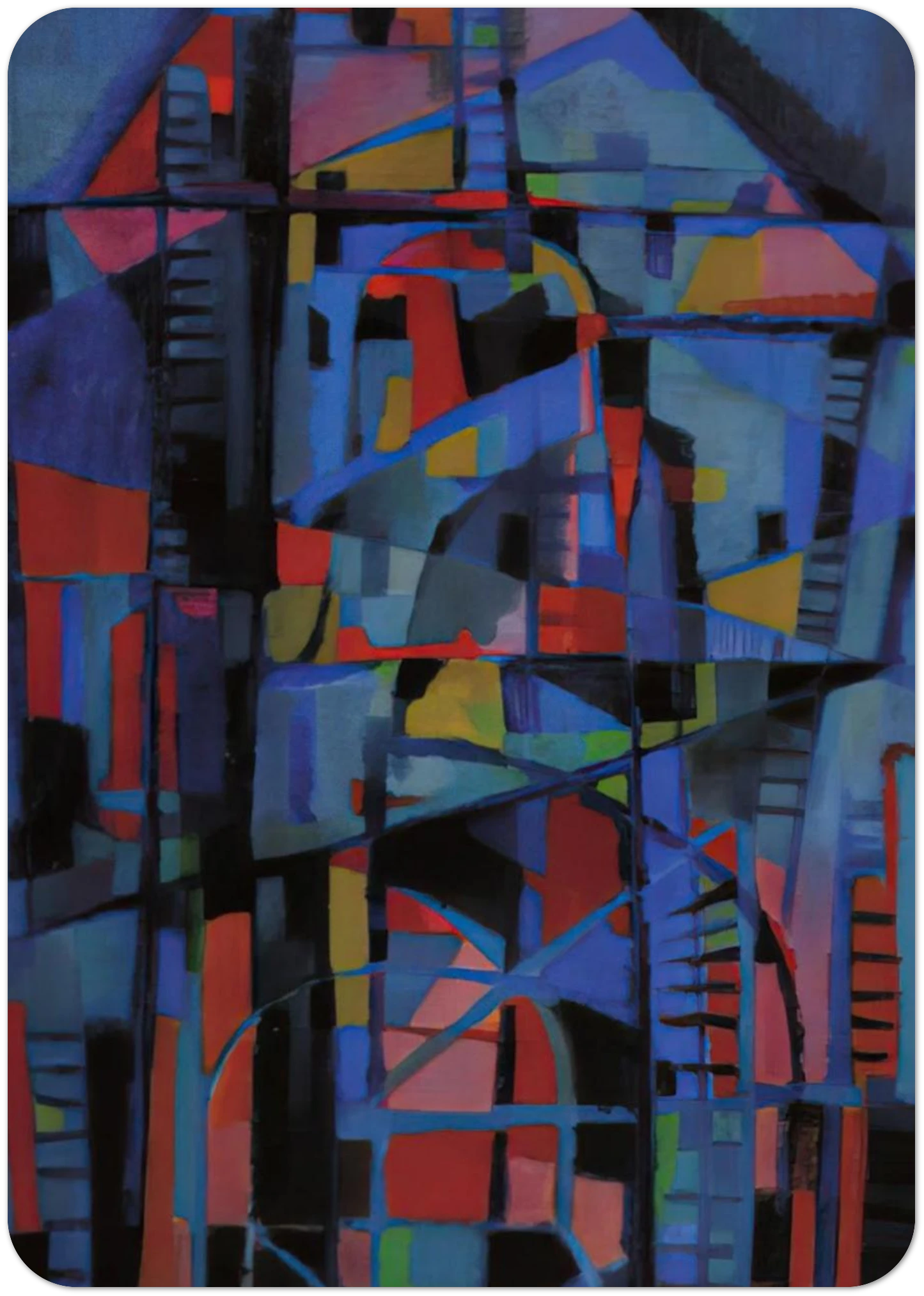
Alfred Manessier’s Angelus domini nuntiavit mariæ (1947) represents a pivotal moment in the evolution of mid-century sacred abstraction. As a leading figure of the New School of Paris, Manessier utilized rhythmic geometry and luminous color palettes to translate metaphysical experiences into visual form. This specific work, capturing the essence of the Annunciation, moves beyond literal depiction to evoke the divine through a structured harmony of blues, golds, and ecclesiastical tones.
RedKalion is proud to offer this pack of 10 premium A6 post cards, allowing you to share or display a piece of art history that resonates with spiritual depth. Each card is a museum-quality reproduction, meticulously crafted to preserve the intricate textures and tonal shifts of Manessier’s original vision. These are not merely stationery; they are miniature archival prints designed for those who appreciate the intersection of modernism and theological reflection.
Technical Excellence and Material Integrity
- 12-Color Fine Art Printing: We utilize advanced 12-color technology to achieve a chromatic depth and vibrancy that standard 4-color prints cannot replicate.
- Smooth Matte Finish: The 200 gsm (80 lb) FSC-certified paper features a sophisticated matte surface, ensuring a glare-free viewing experience under any lighting.
- Archival Durability: With a thickness of 0.26 mm (10.3 mils), these cards provide a substantial, tactile feel that reflects their premium curation.
- Sustainable Craftsmanship: Printed on demand using eco-friendly materials, we minimize waste while maintaining the highest standards of the RedKalion gallery.
Whether used for sophisticated correspondence or as a curated set for a personal gallery wall, these Alfred Manessier post cards elevate your space with a legacy of French abstraction that endures through time.


Discover Unlimited Art Possibilities
At RedKalion, you can find virtually any artwork from any artist, available in a wide range of sizes to perfectly match your space.
If you didn’t find what you’re looking for, contact us at support@redkalion.com . We will source any artwork and produce it in any size and format you need, including art prints, posters, canvas, framed pieces, framed canvas, and more.
For dedicated art enthusiasts, we also offer handcrafted replicas of any artwork, carefully painted by highly skilled artists using traditional techniques.
For custom requests, contact us at support@redkalion.com .
What makes the printing quality of these post cards unique?
We use 12-color fine art printing technology, which provides superior color accuracy and depth compared to standard 4-color inkjet methods, ensuring a museum-quality reproduction of Manessier’s work.
What is the weight and finish of the paper?
The cards are printed on 200 gsm (80 lb) FSC-certified paper with a smooth matte finish and a thickness of 0.26 mm (10.3 mils) for a premium, non-glare feel.
How are the orders processed and shipped?
All our post cards are printed on demand to ensure quality control and environmental sustainability. There are no minimum order requirements, and they are packed securely for transit.
Are the materials used for these cards eco-friendly?
Yes, we use environmentally conscious, FSC-certified paper, aligning with RedKalion’s commitment to sustainable art curation and archival excellence.
What is included in this specific pack?
This pack contains 10 flat A6 post cards (10.5 x 14.8 cm / 4.1 x 5.8 inches) featuring Alfred Manessier’s 1947 work, Angelus domini nuntiavit mariæ.
What is the historical significance of the year 1947 for Alfred Manessier?
1947 was a transformative year for Manessier as he deepened his exploration of 'Sacred Abstraction,' merging his spiritual conversion with the non-figurative language of the New School of Paris.
How does this work interpret the theme of the Annunciation?
Rather than using human figures, Manessier uses vibrant geometric structures and light-filled colors to represent the spiritual energy and divine communication inherent in the Angelus domini nuntiavit mariæ.