RedKalion
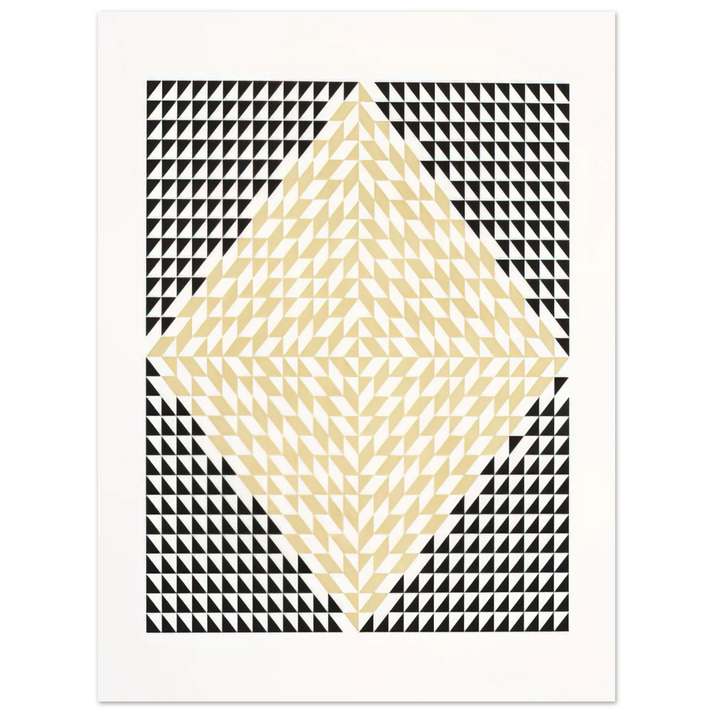
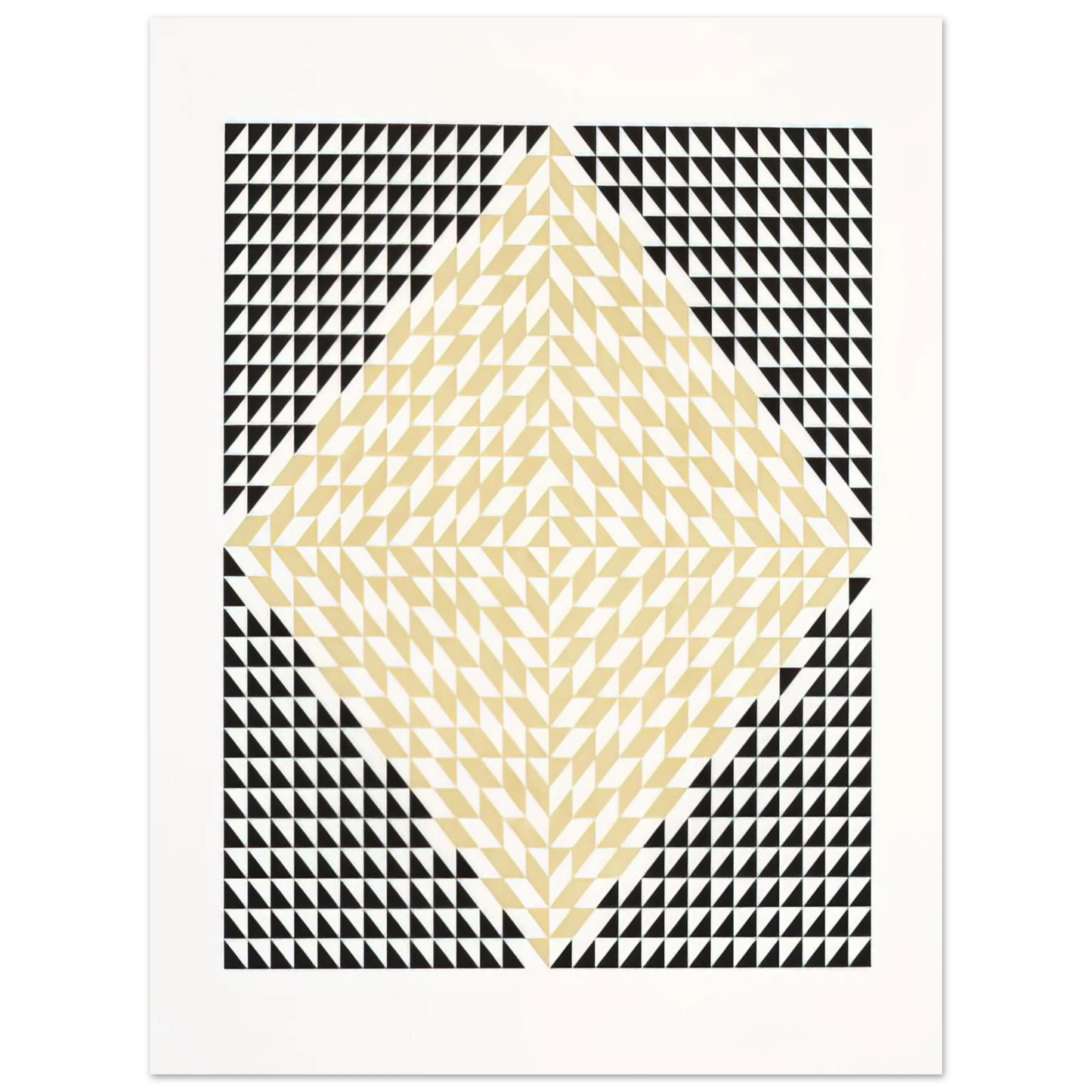
Anni Albers - SECOND MOVEMENT V 1968 75x100 cm / 30x40inches Fine Art Poster
Anni Albers - SECOND MOVEMENT V 1968 75x100 cm / 30x40inches Fine Art Poster
Couldn't load pickup availability
Anni Albers: Rhythmic Modernism in 'Second Movement V' (1968)
Experience the intersection of textile logic and graphic precision with this museum-quality reproduction of Anni Albers' 'Second Movement V' (1968). As one of the most influential figures of the Bauhaus and a pioneer of 20th-century modernism, Albers transitioned her profound understanding of tactile rhythm from the loom to the printing press in this iconic late-period work. This 75x100 cm (30x40 inches) fine art print captures the intricate geometric dialogue and structural harmony that define her legacy.
Archival Excellence for the Discerning Collector
At RedKalion, we honor the legacy of Anni Albers by utilizing the finest materials available. This print is produced on our Master's Edition archival paper, a 250 gsm (110 lb) natural white, uncoated substrate. The matte finish eliminates glare, allowing the sophisticated interplay of form and color to resonate in any lighting environment. With a thickness of 0.29 mm and an acid-free composition (pH above 7), this piece is engineered to resist yellowing and degradation, ensuring the artwork endures for generations.
The Convergence of Form and Philosophy
In 'Second Movement V', Albers explores the concept of visual movement through mathematical repetition and variation. Her background in weaving is evident in the structural 'interlacing' of the shapes, creating a sense of depth and vibration that is both cerebral and aesthetic. This fine art poster is more than a decorative element; it is a testament to the Bauhaus philosophy of functional beauty. Sourced from FSC-certified forests, our commitment to sustainability reflects the enduring integrity of the artwork itself.
Elevate Your Environment
Whether displayed in a minimalist office or a mid-century modern living space, this archival masterpiece brings a sense of historical authority and sophisticated calm. RedKalion provides these premium reproductions on demand, ensuring each print meets our rigorous standards of quality and craftsmanship before arriving at your door.
Discover Unlimited Art Possibilities
At RedKalion, you can find virtually any artwork from any artist, available in a wide range of sizes to perfectly match your space.
If you didn’t find what you’re looking for, contact us at support@redkalion.com . We will source any artwork and produce it in any size and format you need, including art prints, posters, canvas, framed pieces, framed canvas, and more.
For dedicated art enthusiasts, we also offer handcrafted replicas of any artwork, carefully painted by highly skilled artists using traditional techniques.
For custom requests, contact us at support@redkalion.com .
What are the paper specifications for this Anni Albers print?
The artwork is printed on Master's Edition archival paper, weighing 250 gsm (110 lb) with a thickness of 0.29 mm. It features a luxurious matte, natural white finish that is uncoated and premium to the touch.
How does the archival quality ensure longevity?
Our paper is acid-free with a pH value above 7, preventing the paper from yellowing or becoming brittle over time. This museum-quality standard ensures your fine art print maintains its original vibrancy for decades.
Is the paper used for this fine art poster sustainable?
Yes, RedKalion utilizes FSC-certified paper, ensuring that the materials used for your Anni Albers reproduction are sourced from responsibly managed forests that provide environmental, social, and economic benefits.
How is the shipping and fulfillment handled for this piece?
We operate on a print-on-demand basis with no minimum orders. Each 'Second Movement V' print is meticulously produced and shipped in protective packaging to ensure it arrives in pristine condition.
Does the print come with a frame?
This product is a standalone fine art poster. We offer it unframed to allow collectors the freedom to choose a custom frame that perfectly matches their interior design and personal aesthetic.
What is the historical significance of 'Second Movement V'?
Created in 1968, this work represents Anni Albers' masterful transition from textile weaving to printmaking. It reflects her lifelong exploration of geometric abstraction and the rhythmic structures learned during her time at the Bauhaus.
How does Anni Albers’ background in weaving influence this graphic work?
Albers applied the logic of the loom—interlacing lines and structural grids—to her prints. 'Second Movement V' mimics the rhythmic repetition of thread, creating a visual 'fabric' through graphic shapes and mathematical precision.