RedKalion
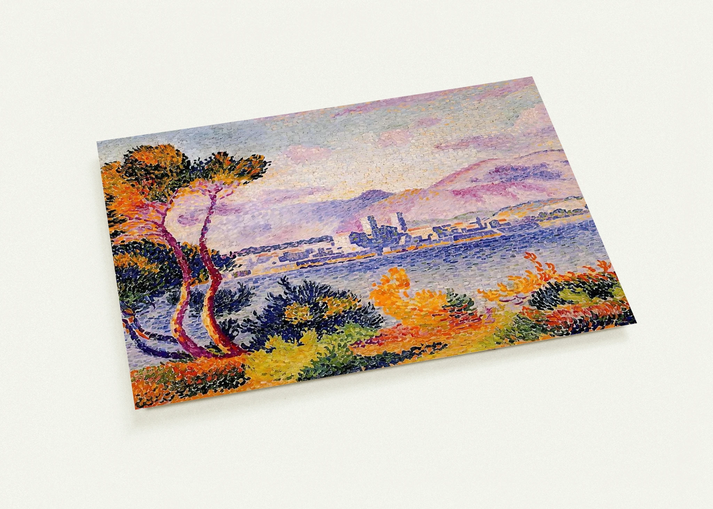
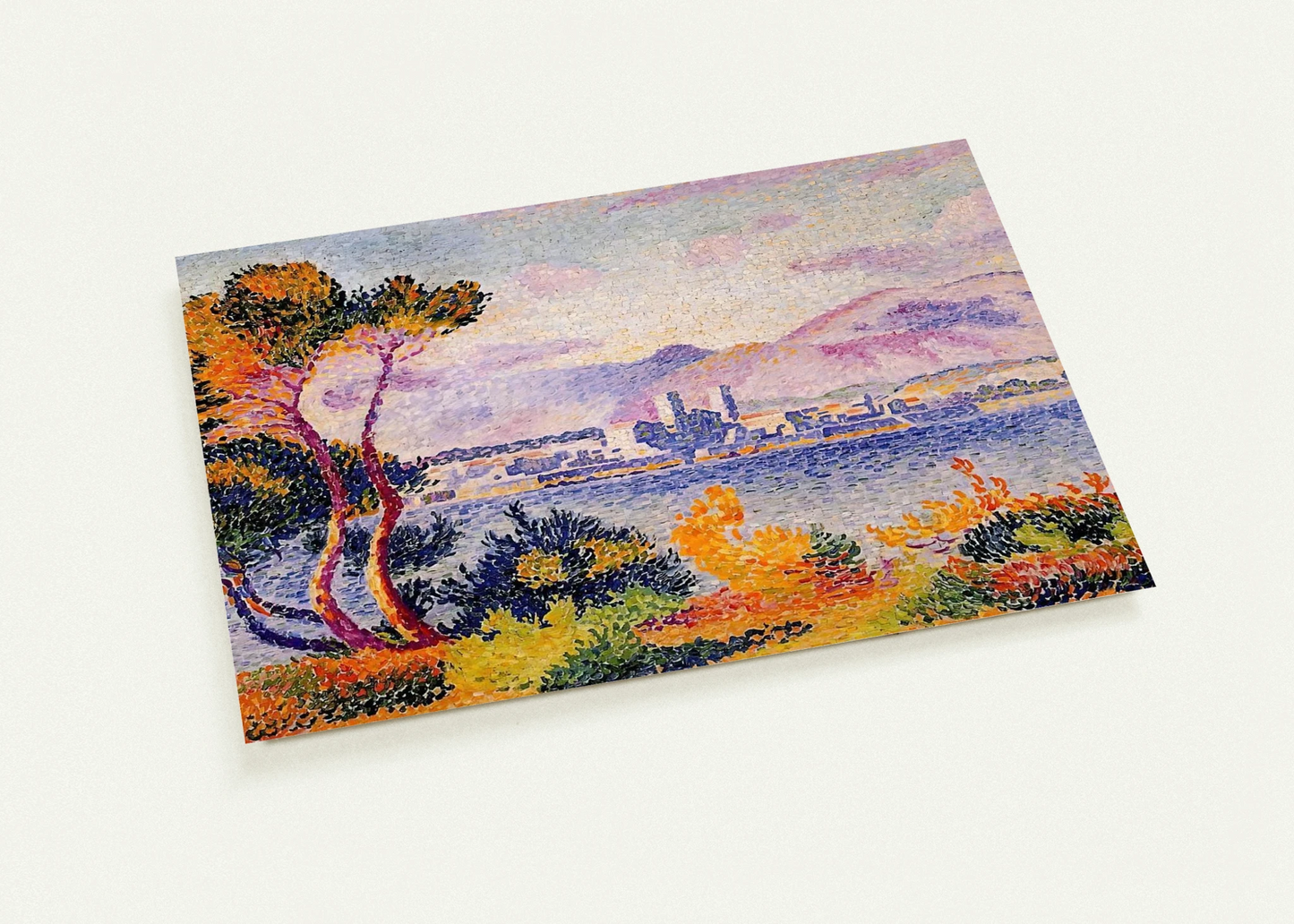
Antibes, Afternoon By Henri-Edmond Cross Pack of 10 Post Cards | Henri-Edmond Cross Post Cards | A6 (10.5 x 14.8 cm) - 4.1 x 5.8 inches
Antibes, Afternoon By Henri-Edmond Cross Pack of 10 Post Cards | Henri-Edmond Cross Post Cards | A6 (10.5 x 14.8 cm) - 4.1 x 5.8 inches
Couldn't load pickup availability
The Luminous Splendor of Antibes, Afternoon by Henri-Edmond Cross
Experience the radiant warmth of the Mediterranean through this exquisite pack of 10 fine art postcards featuring Antibes, Afternoon by the Neo-Impressionist master Henri-Edmond Cross. Originally painted during the height of the Pointillist movement, this work captures the shimmering light of the French Riviera with a revolutionary technique of placing small dots of pure color side by side, allowing the viewer's eye to blend them into a brilliant, atmospheric scene.
Museum-Quality Reproductions by RedKalion
At RedKalion, we believe that fine art should be felt as much as it is seen. These postcards are not mere stationary; they are archival-grade reproductions designed to endure. Each card is produced using our advanced 12-color fine art printing technology. Unlike standard 4-color commercial prints, our process ensures every nuance of Cross’s vibrant palette—from the deep azures of the sea to the golden hues of the sand—is rendered with stunning depth and accuracy.
Technical Specifications for the Discerning Collector
- Premium Paper: Printed on 200 gsm (80 lb) FSC-certified paper with a thickness of 0.26 mm (10.3 mils).
- Refined Finish: A smooth matte paper finishing provides a clean, glare-free display that highlights the intricate dot-work of the artist.
- Sustainability: Each set is printed on demand using environmentally conscious materials, reflecting RedKalion’s commitment to ethical curation.
- Dimensions: Perfectly sized at A6 (10.5 x 14.8 cm / 4.1 x 5.8 inches) for framing or heartfelt correspondence.
Elevate your personal messages or curate a miniature gallery in your home with an archival masterpiece that celebrates the enduring beauty of 20th-century European art.
Discover Unlimited Art Possibilities
At RedKalion, you can find virtually any artwork from any artist, available in a wide range of sizes to perfectly match your space.
If you didn’t find what you’re looking for, contact us at support@redkalion.com . We will source any artwork and produce it in any size and format you need, including art prints, posters, canvas, framed pieces, framed canvas, and more.
For dedicated art enthusiasts, we also offer handcrafted replicas of any artwork, carefully painted by highly skilled artists using traditional techniques.
For custom requests, contact us at support@redkalion.com .
What printing technology is used for these Henri-Edmond Cross postcards?
We utilize 12-color fine art printing technology. This process provides superior color vibrancy and accuracy compared to standard 4-color printers, capturing the subtle tonal shifts in Henri-Edmond Cross’s Pointillist masterpiece.
What are the paper specifications for this stationery set?
These postcards are printed on heavy-duty 200 gsm (80 lb) paper with a thickness of 0.26 mm. The smooth matte finish ensures a premium, glare-free tactile experience for both the sender and recipient.
Is the paper used for these art cards environmentally friendly?
Yes. RedKalion uses FSC-certified paper, ensuring that your fine art postcards are sourced from responsibly managed forests that provide environmental, social, and economic benefits.
How do you ensure the color accuracy of Antibes, Afternoon?
Our museum-quality reproduction process involves meticulous color grading to match the original artist's intent, ensuring the Mediterranean light is as vivid on paper as it was on Cross's canvas.
Are these postcards suitable for international shipping?
Absolutely. At 200 gsm and A6 size, these cards meet standard postal requirements while being durable enough to withstand international transit without losing their structural integrity.
Who was Henri-Edmond Cross, and why is this piece significant?
Henri-Edmond Cross was a pivotal figure in Neo-Impressionism. Antibes, Afternoon is significant for its early use of the Chromoluminarist technique, influencing the development of Fauvism and modern color theory.
What is the artistic style of Antibes, Afternoon?
The piece is a prime example of Pointillism or Neo-Impressionism. Cross used distinct dots of color to build form and light, creating a shimmering effect that mimics natural sunlight.