

RedKalion
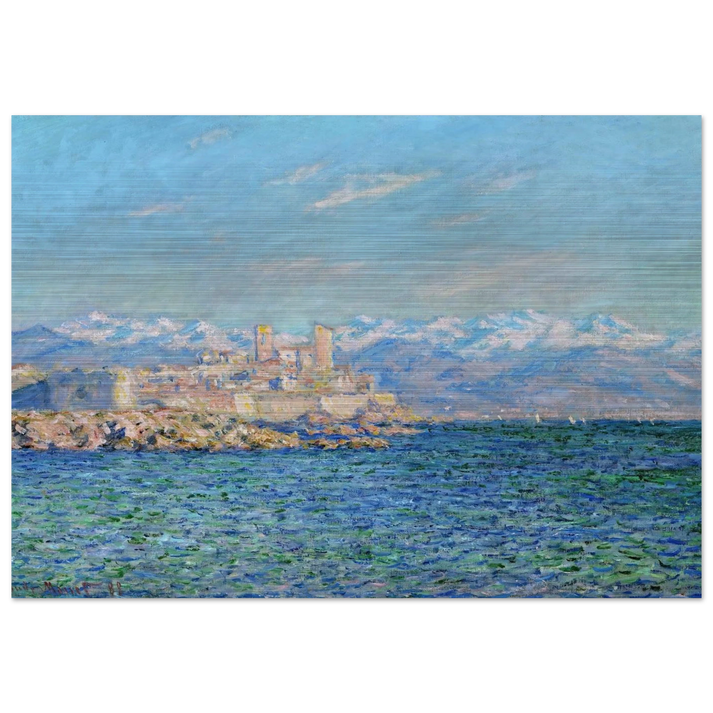
Antibes, Afternoon Effect - claude monet Brushed Aluminum Print - 70x100 cm / 28x40 inches | claude monet Aluminum Print | claude monet Prints
Antibes, Afternoon Effect - claude monet Brushed Aluminum Print - 70x100 cm / 28x40 inches | claude monet Aluminum Print | claude monet Prints
Couldn't load pickup availability
Elevate Your Space with Claude Monet’s 'Antibes, Afternoon Effect'
Invite the luminous spirit of the French Riviera into your home with this exquisite museum-quality reproduction of Claude Monet’s 'Antibes, Afternoon Effect'. Painted in 1888 during Monet's transformative stay in the South of France, this masterpiece captures the shimmering Mediterranean light that challenged and inspired the master of Impressionism. At RedKalion, we have curated this fine art print to provide an immersive experience that bridges the gap between 19th-century genius and contemporary interior design.
The Artistry of Light and Color
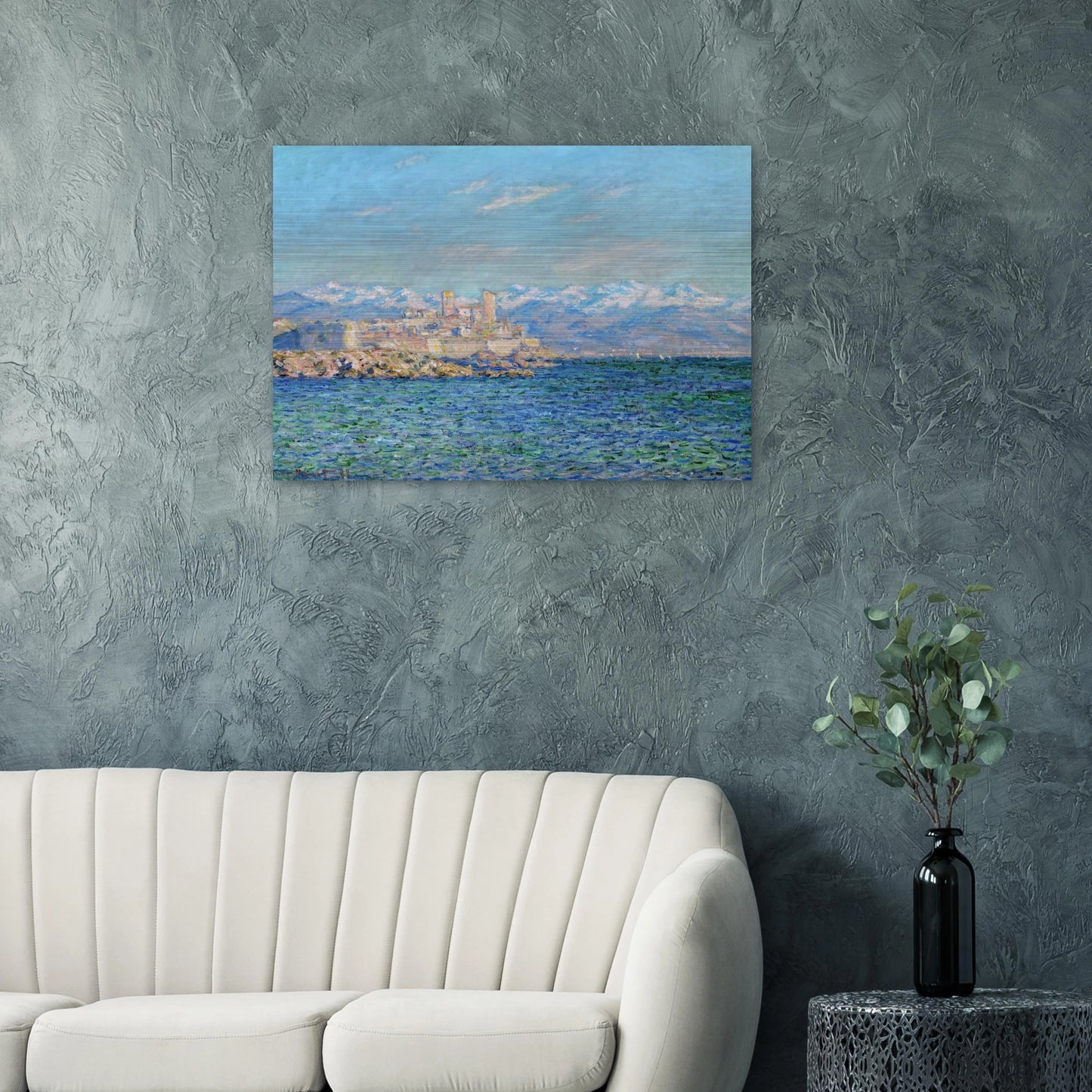
In Antibes, Afternoon Effect, Monet masterfully juxtaposes the ancient stone architecture of the fortified town against the ephemeral soft pinks and deep blues of the Alps in the distance. The 'afternoon effect' refers to the specific atmospheric condition where the descending sun casts a golden, translucent glow over the landscape. By choosing a brushed aluminum print, the dynamic brushstrokes and dappled light of the original oil painting are given a new, metallic dimension that shifts as you move through the room.
Museum-Quality Material & Modern Sophistication
RedKalion brings this Impressionist classic to life on Brushed silver Aluminum DIBOND®. This 3mm (0.12") thick material provides a rigid, durable base with a sophisticated horizontal grain. Our direct-to-surface printing process ensures that the white and pale areas of Monet's palette are not printed, allowing the natural metallic silver effect of the aluminum to shine through. The result is a matte, glare-free finish that eliminates reflections while enhancing the depth of the composition.
- Archival Longevity: High-grade inks and premium Dibond ensure your investment remains vibrant for decades.
- Dynamic Texture: The brushed grain interacts with the light, mirroring the movement of the Mediterranean sea.
- Minimalist Presentation: A slim 3mm profile offers a sleek, frameless look that complements both modern and classical aesthetics.
- Ready to Exhibit: Each piece includes a specialized hanging kit tailored to your location for effortless installation.
By choosing a RedKalion reproduction, you are not merely purchasing a print; you are acquiring an archival-grade centerpiece that celebrates the legacy of Claude Monet with the precision of modern engineering.


Discover Unlimited Art Possibilities
At RedKalion, you can find virtually any artwork from any artist, available in a wide range of sizes to perfectly match your space.
If you didn’t find what you’re looking for, contact us at support@redkalion.com . We will source any artwork and produce it in any size and format you need, including art prints, posters, canvas, framed pieces, framed canvas, and more.
For dedicated art enthusiasts, we also offer handcrafted replicas of any artwork, carefully painted by highly skilled artists using traditional techniques.
For custom requests, contact us at support@redkalion.com .
What makes the Brushed Aluminum DIBOND® finish unique for this Claude Monet print?
The brushed silver finish adds a metallic grain to the artwork. Unprinted white areas reveal the aluminum's texture, creating a dynamic, shimmering effect that mimics the natural light captured in Monet’s Impressionist paintings.
Is the mounting hardware included with my purchase?
Yes, every RedKalion aluminum print comes with a hanging kit included. The specific kit provided varies depending on the fulfillment country to ensure the most secure and appropriate mounting solution for your region.
How does RedKalion ensure the archival longevity of this museum-quality reproduction?
We use archival-grade inks and direct printing on 3mm Aluminum DIBOND®. This rigid material is highly durable and resistant to environmental factors, ensuring the colors and metallic effects remain vibrant without fading over time.
What are the shipping expectations for this 70x100 cm fine art print?
Your print is meticulously packaged to prevent damage. We use local fulfillment centers to reduce transit time and carbon footprint, ensuring your 70x100 cm masterpiece arrives in pristine condition and ready for display.
Does the matte finish affect the color vibrancy of the original Impressionist work?
The matte finish is designed to be glare-free, which actually enhances visibility in brightly lit rooms. It preserves the richness of the pigments while providing a sophisticated, non-reflective surface perfect for high-end interior design.
Where was Claude Monet's "Antibes, Afternoon Effect" originally painted?
Monet painted this work in Antibes on the French Riviera in 1888. He worked from the Salis gardens, capturing the view across the bay toward the old town and the Maritime Alps.
How does the "afternoon effect" influence the color palette of this composition?
The 'afternoon effect' features warm, golden tones and soft silhouettes. Monet used a palette of turquoise, rose, and violet to capture the hazy atmosphere and the specific quality of Mediterranean light at day's end.