RedKalion
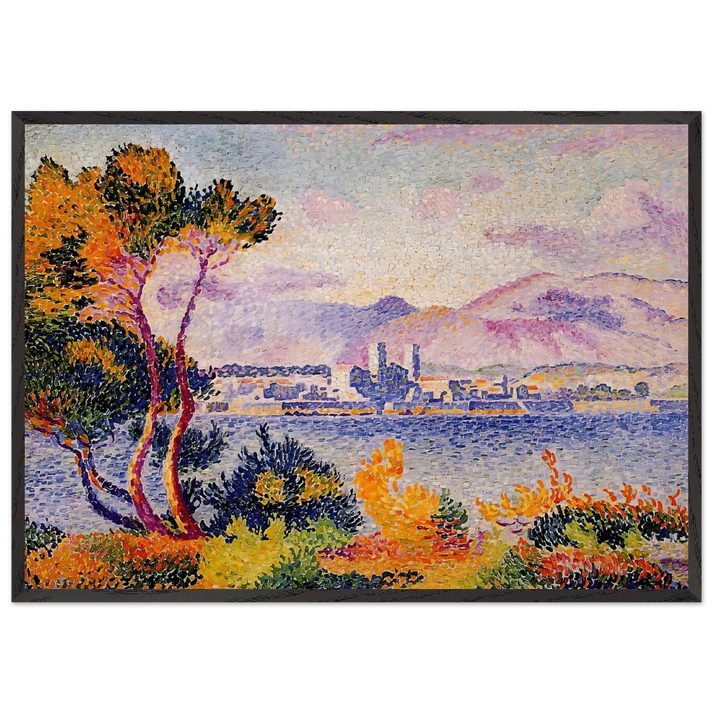
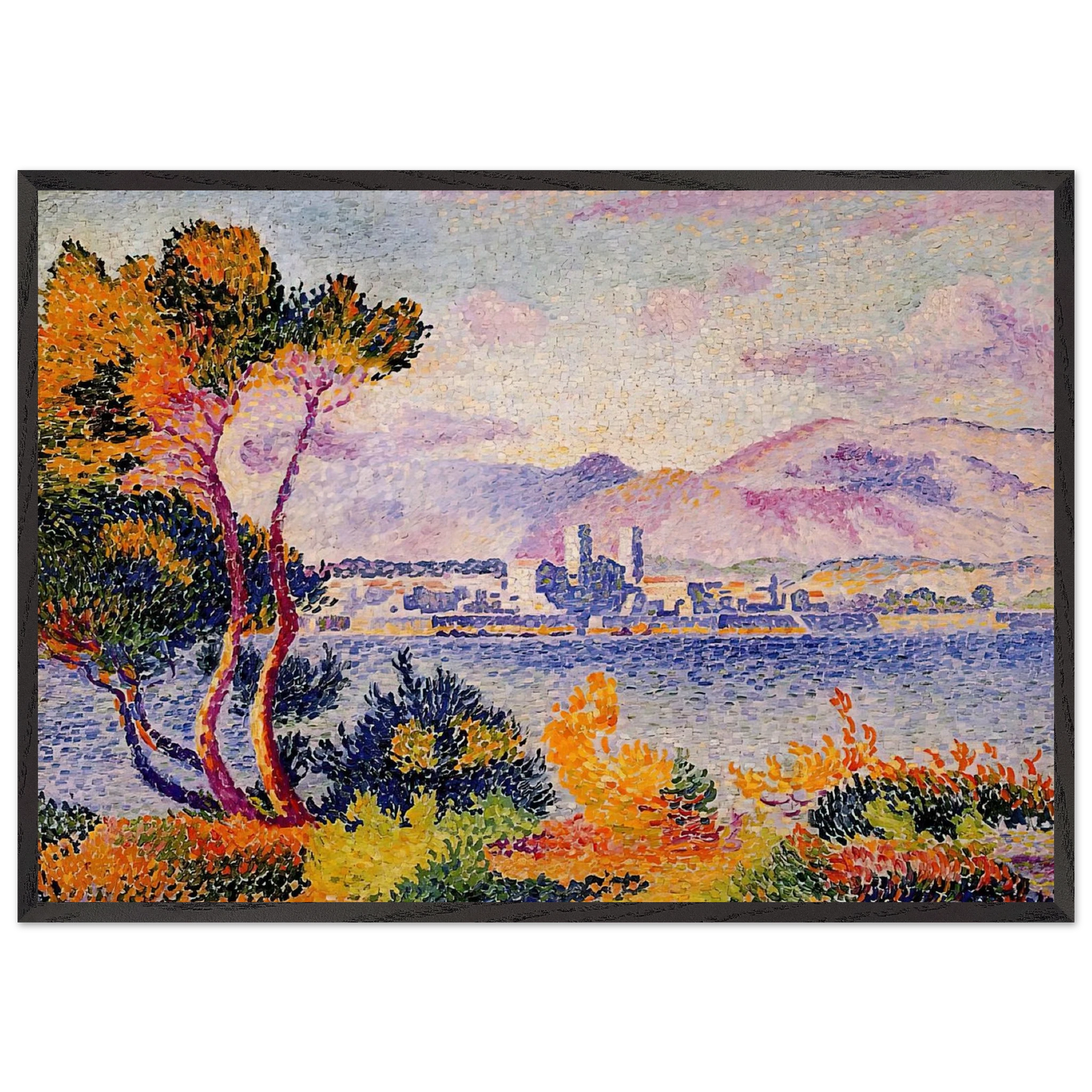
Antibes Afternoon - Henri-Edmond Cross 70x100 cm / 28x40 inches Framed Art Print – Black Wooden Frame
Antibes Afternoon - Henri-Edmond Cross 70x100 cm / 28x40 inches Framed Art Print – Black Wooden Frame
Couldn't load pickup availability
Bring the Radiant Light of the French Riviera into Your Home
Experience the luminous beauty of Neo-Impressionism with our museum-quality reproduction of Henri-Edmond Cross's 'Antibes Afternoon'. This masterpiece, a pinnacle of the Divisionist movement, captures the shimmering Mediterranean coast through a sophisticated mosaic of pure color. At RedKalion, we have meticulously curated this 70x100 cm (28x40 inches) framed art print to serve as a definitive focal point for the discerning collector.
The Artistry of Henri-Edmond Cross
Originally known for his darker, realist works, Cross's move to the South of France revolutionized his palette. In 'Antibes Afternoon', he employs the technique of optical mixing—placing small, deliberate strokes of contrasting colors side-by-side. Rather than blending on the palette, these pigments harmonize within the viewer's eye, creating a sense of vibrating sunlight and atmospheric depth that traditional painting methods simply cannot replicate. This piece reflects Cross's mastery over color theory and his profound connection to the landscape of Antibes.
Archival Quality Meets Sustainable Elegance
Every RedKalion print is an investment in enduring beauty. This fine art reproduction is printed on 250 gsm (110 lb) archival, museum-quality paper. The paper features a natural white, matte, and uncoated finish that eliminates glare while highlighting the intricate textures of Cross’s brushwork. To ensure the highest standards of conservation, we use FSC-certified materials, underscoring our commitment to environmental responsibility.
Premium Framing and Presentation
To complement this vibrant scene, the print is housed in a robust 20mm (0.79") thick black frame crafted from responsibly sourced oak and ash wood. This frame is specifically designed to be wider and more substantial than standard commercial alternatives, providing a gallery-standard aesthetic. The artwork is protected by shattherproof plexiglass and arrives with a professional hanging kit, ready to elevate your space immediately upon delivery.
- Technique: Pointillist/Divisionist masterpiece by Henri-Edmond Cross.
- Paper: 250 gsm archival-grade, natural white, matte finish.
- Frame: 20mm premium black wood (oak/ash), wider than industry standards.
- Ready-to-Hang: Includes pre-installed hanging kit and shatterproof protection.
- Sustainability: Printed on FSC-certified materials for a conscious home.
Discover Unlimited Art Possibilities
At RedKalion, you can find virtually any artwork from any artist, available in a wide range of sizes to perfectly match your space.
If you didn’t find what you’re looking for, contact us at support@redkalion.com . We will source any artwork and produce it in any size and format you need, including art prints, posters, canvas, framed pieces, framed canvas, and more.
For dedicated art enthusiasts, we also offer handcrafted replicas of any artwork, carefully painted by highly skilled artists using traditional techniques.
For custom requests, contact us at support@redkalion.com .
What makes the paper quality museum-standard?
We use 250 gsm (110 lb) natural white, matte, uncoated paper. Its thickness (0.29 mm) and archival properties ensure the print maintains its vibrancy for decades without yellowing, making it a true museum-quality reproduction.
Is the framing material durable and sustainable?
Yes, our frames are made from responsibly sourced oak and ash wood. They are 20mm wide and thick, providing a sturdier, more premium feel than standard 14mm frames, and are FSC-certified.
How is the artwork protected during shipping and display?
Each print is shielded by high-quality, shatterproof plexiglass, ensuring it arrives safely and remains protected from dust and damage while on display in your home or gallery.
Does the print arrive ready to hang?
Absolutely. Every framed art print includes a professional hanging kit, allowing you to mount your new Henri-Edmond Cross masterpiece directly onto your wall with ease upon arrival.
Will the colors fade over time?
By utilizing archival-grade paper and high-fidelity printing techniques, RedKalion prints are designed for longevity. The matte finish and high paper weight protect against the environmental degradation common in lower-quality prints.
What is the artistic significance of 'Antibes Afternoon'?
This piece is a classic example of Divisionism. Henri-Edmond Cross used distinct dots of color to capture the intense Mediterranean light, a technique that heavily influenced the development of Fauvism and modern art.
Why did Cross choose the Pointillist style for this landscape?
Cross believed that separating colors into individual strokes allowed for greater luminosity. In 'Antibes Afternoon', this technique perfectly translates the shimmering heat and vibrant atmosphere of the French coast.