

RedKalion
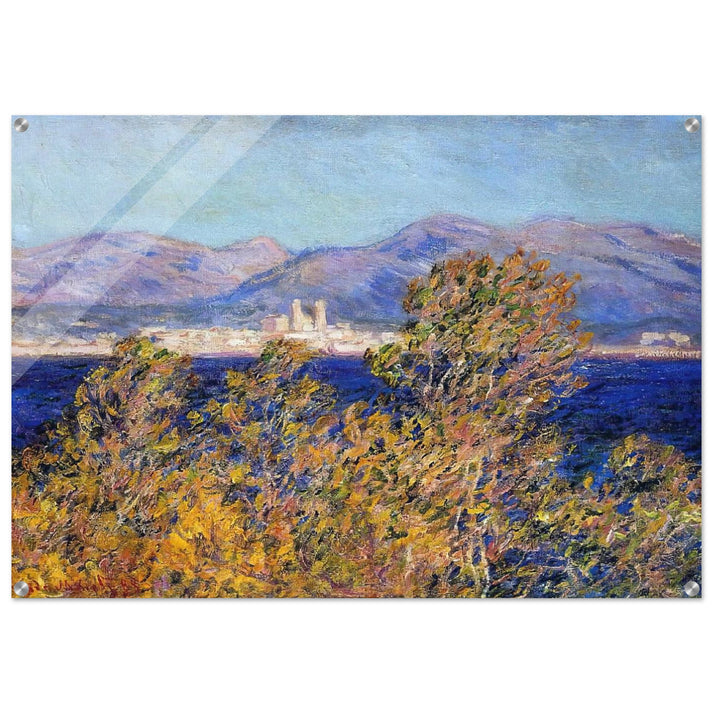
Antibes Seen from the Cape, Mistral Wind - claude monet Acrylic Print - 70x100 cm / 28x40″ inches | claude monet Wall Art | claude monet Prints
Antibes Seen from the Cape, Mistral Wind - claude monet Acrylic Print - 70x100 cm / 28x40″ inches | claude monet Wall Art | claude monet Prints
Couldn't load pickup availability
Experience Monet's Mediterranean Vision: Antibes Seen from the Cape
In 1888, Claude Monet sought the radiant, transformative light of the French Riviera, capturing the ethereal essence of the Mediterranean in Antibes Seen from the Cape, Mistral Wind. This stunning masterpiece, now available as a premium acrylic print, showcases the artist's legendary ability to render atmosphere and motion. The movement of the 'Mistral' wind is palpable through the rhythmic, swirling branches of the foreground trees, contrasting beautifully with the crystalline turquoise of the sea and the distant, snow-capped Maritime Alps.
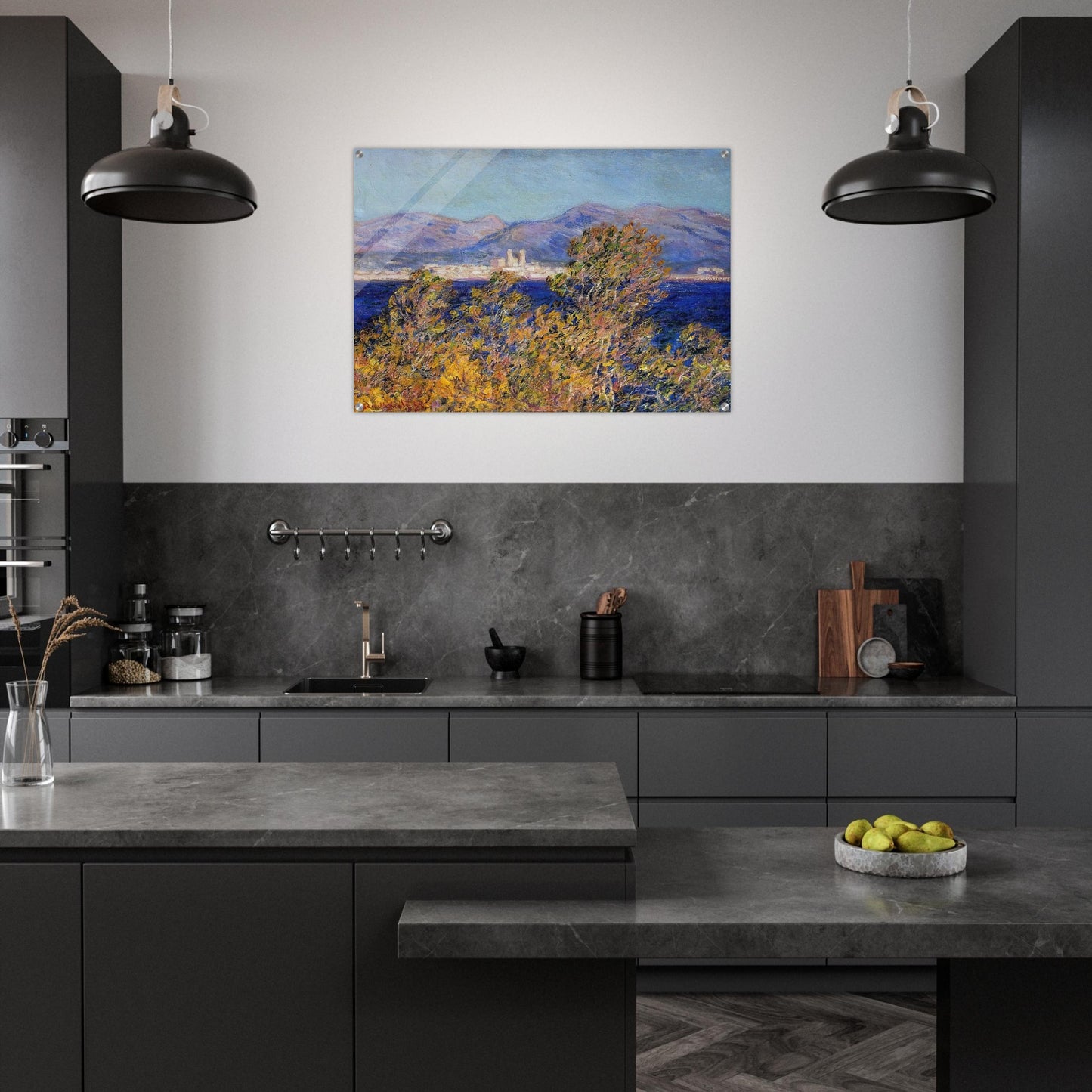
At RedKalion, we bridge the gap between historical genius and contemporary interior design. This museum-quality reproduction is meticulously crafted on 4mm (0.15") acrylic, providing a depth and luminosity that mirrors the intensity of Monet's original oil on canvas. The sleek, vibrant finish enhances the Impressionist palette—from soft lavenders to intense azures—ensuring the piece becomes a sophisticated focal point in any curated space.
Premium Craftsmanship and Specifications
- Superior Material: High-grade 4mm (0.15") acrylic offers a sleek, durable, and glass-like clarity that protects and enhances the artwork.
- Modern Presentation: Precision-engineered straight-cut corners and transparent-to-white background processing ensure optimal color saturation and a contemporary aesthetic.
- Complete Hanging Kit: Includes professional-grade hardware, including screws and pre-drilled holes (14mm from edges) for a seamless, secure gallery installation.
- Archival Durability: Our Claude Monet prints are engineered to resist fading and environmental wear, maintaining the integrity of the Impressionist color theory for decades.
Elevate your environment with an archival masterpiece that endures. This Claude Monet wall art is more than a reproduction; it is a curated window into the height of the Impressionist era, brought to life through RedKalion’s commitment to archival excellence and sophisticated design.


Discover Unlimited Art Possibilities
At RedKalion, you can find virtually any artwork from any artist, available in a wide range of sizes to perfectly match your space.
If you didn’t find what you’re looking for, contact us at support@redkalion.com . We will source any artwork and produce it in any size and format you need, including art prints, posters, canvas, framed pieces, framed canvas, and more.
For dedicated art enthusiasts, we also offer handcrafted replicas of any artwork, carefully painted by highly skilled artists using traditional techniques.
For custom requests, contact us at support@redkalion.com .
What makes this Claude Monet acrylic print a museum-quality reproduction?
At RedKalion, we use advanced UV-printing technology on high-grade acrylic, ensuring the color accuracy, depth, and brushstroke detail of Monet's original masterpiece are perfectly preserved for a true gallery feel.
What are the technical specifications of the 4mm acrylic material?
The print is crafted from 4mm (0.15") thick acrylic with straight-cut corners, offering a modern, vibrant finish that is significantly more durable and impact-resistant than traditional glass.
How is the artwork mounted and what hardware is included?
Each print includes a professional hanging kit with screws. The acrylic features four pre-drilled corner holes (8mm diameter, 14mm from edges) designed to fit the provided 15mm screw heads perfectly.
How does the archival quality of the acrylic print compare to traditional paper?
Acrylic prints provide superior UV protection and moisture resistance compared to paper. This ensures archival-grade longevity, preventing yellowing or fading over time while maintaining vibrant color saturation.
What is the shipping and handling process for this large-format print?
We use specialized, high-durability packaging to ensure your 70x100 cm print is protected during transit. Each piece is rigorously inspected to ensure it arrives in pristine, museum-ready condition.
What historical moment does "Antibes Seen from the Cape, Mistral Wind" capture?
This 1888 painting represents Monet’s period in Antibes, where he focused on capturing the unique Mediterranean light and the structural beauty of the coastal pine trees against the sea.
How does Monet depict the "Mistral Wind" in this specific composition?
Monet utilizes energetic, sinuous brushwork in the pine trees to visualize the force of the Mistral, creating a sense of dynamic movement that contrasts with the stillness of the distant mountains.