RedKalion
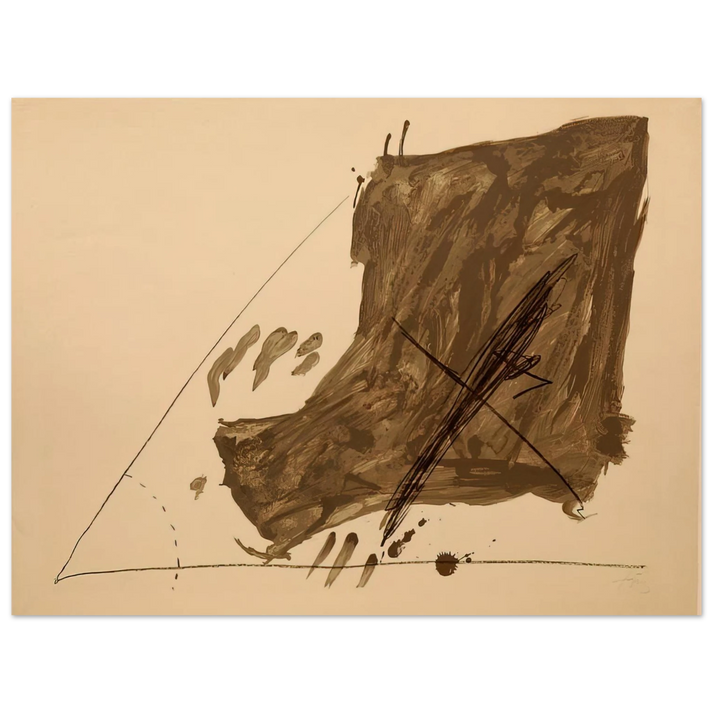
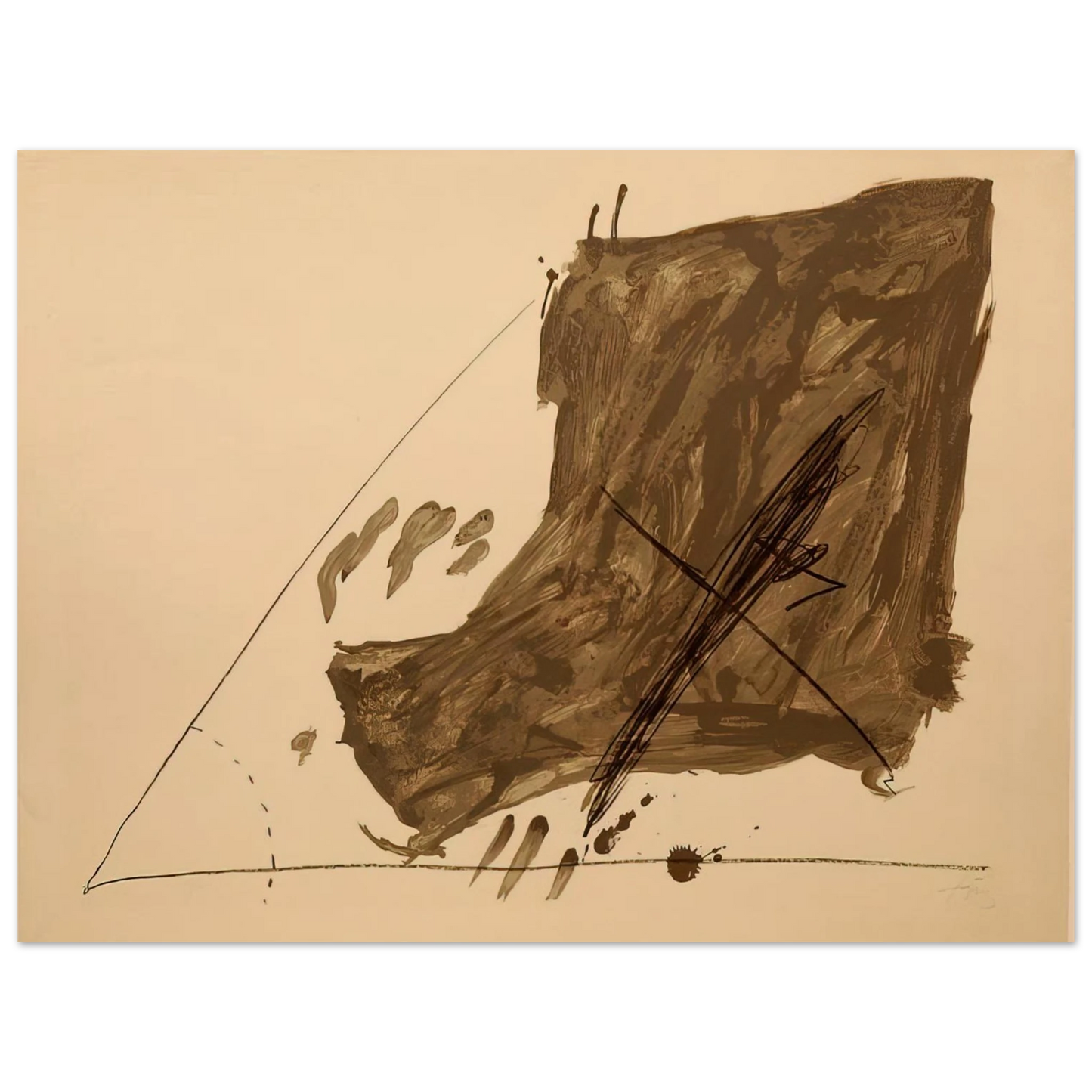
Antoni Tapies - ANGLE ET TACHES 1968 75x100 cm / 30x40inches Fine Art Poster
Antoni Tapies - ANGLE ET TACHES 1968 75x100 cm / 30x40inches Fine Art Poster
Couldn't load pickup availability
The Raw Power of Matter: Antoni Tàpies’ Angle et Taches (1968)
Experience the profound depth of Antoni Tàpies, a titan of the Art Informel movement, through this museum-quality fine art print of Angle et Taches (1968). Tàpies was renowned for his 'Pintura Matérica' (Matter Painting), where he elevated humble materials to the realm of the spiritual. This particular work represents a pivotal moment in his career, blending geometric rigor with the raw, visceral energy of gestural stains and markings.
At RedKalion, we preserve the integrity of Tàpies' textured vision. This reproduction is meticulously crafted on our Master's Edition archival paper. The natural white, off-white finish of the paper provides a luxurious, uncoated texture that perfectly complements the earthy, monochromatic palette typical of the artist’s mid-century output. This is not merely a poster; it is a sophisticated artifact designed for those who appreciate the intersection of philosophy and art.
Archival Excellence and Sustainable Craftsmanship
To ensure this 75x100 cm (30x40 inch) masterpiece endures as long as the original, we utilize acid-free (pH above 7) paper. This prevents the yellowing and degradation often seen in standard prints, ensuring the stark contrasts of the Angle and the subtle nuances of the Taches remain vibrant for generations. Our commitment to quality is matched by our commitment to the planet, using only FSC-certified paper from sustainably managed forests.
- Weight & Feel: A substantial 250 gsm (110 lb) paper weight that exudes premium quality.
- Technical Precision: A thickness of 0.29 mm (11.4 mils) ensures the print lies flat and resists warping.
- Matte Finish: A non-reflective surface that allows the viewer to focus on the depth of the composition without glare.
Elevate your interior space with a piece that commands attention through its quiet strength. Whether placed in a minimalist office or a contemporary living room, this Tàpies reproduction serves as a definitive statement of cultural authority and timeless aesthetic value.
Discover Unlimited Art Possibilities
At RedKalion, you can find virtually any artwork from any artist, available in a wide range of sizes to perfectly match your space.
If you didn’t find what you’re looking for, contact us at support@redkalion.com . We will source any artwork and produce it in any size and format you need, including art prints, posters, canvas, framed pieces, framed canvas, and more.
For dedicated art enthusiasts, we also offer handcrafted replicas of any artwork, carefully painted by highly skilled artists using traditional techniques.
For custom requests, contact us at support@redkalion.com .
What is the quality of the paper used for this Tàpies print?
We use Master's Edition archival paper, which is 250 gsm (110 lb) and museum-quality. It features a natural white, uncoated finish that provides a luxurious feel and exceptional color depth without the glare of glossy alternatives.
How does the matte finish affect the appearance of the artwork?
The matte, uncoated finish ensures no reflections interfere with your view. This is essential for Tàpies' work, as it highlights the simulated textures and subtle tonal shifts of the 1968 original, creating a more authentic gallery-like experience.
Is this print sustainable and archival?
Yes. The paper is acid-free (pH above 7) to prevent yellowing over time, ensuring longevity. Additionally, all our prints are produced on FSC-certified paper, supporting responsible forest management and environmental sustainability.
How is the artwork shipped and fulfilled?
RedKalion prints and ships on demand with no minimum orders. We use protective, high-quality packaging to ensure your 30x40 inch print arrives in pristine condition, ready for framing or mounting in your preferred space.
Does the print include a frame?
This product is a premium fine art print. While the frame is not included, the standard 75x100 cm (30x40 inches) sizing allows for easy integration into high-end custom or ready-made frames to suit your interior design.
What is the significance of the year 1968 in Antoni Tàpies' career?
In 1968, Tàpies was deeply engaged in social and political commentary. His work became more symbolic, often featuring crosses and angles that represented both human presence and a resistance against the political climate in Spain at the time.
What does "Angle et Taches" represent in the context of Matter Painting?
The title translates to "Angle and Stains." It highlights Tàpies' focus on the physicality of art. The 'angle' provides a structural, human-made element, while the 'stains' represent the organic, chaotic nature of the material world.