RedKalion
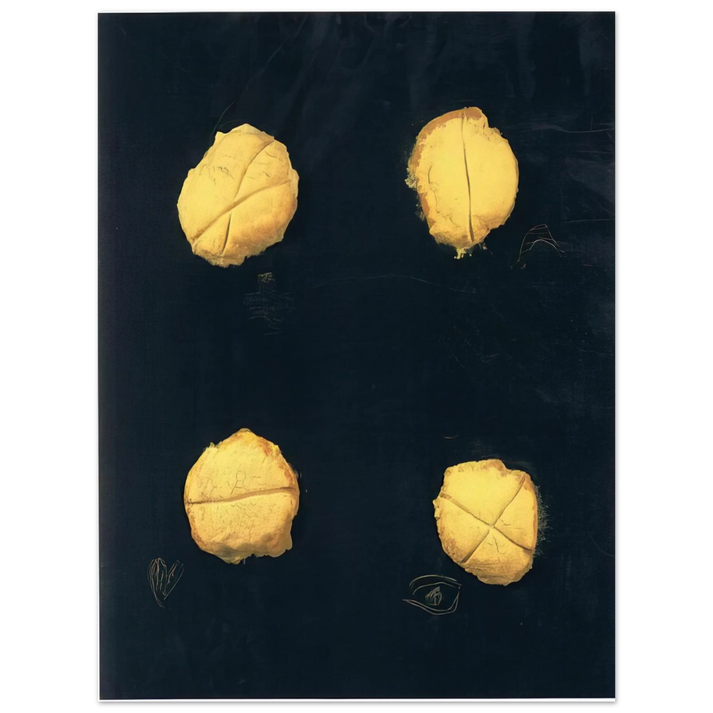
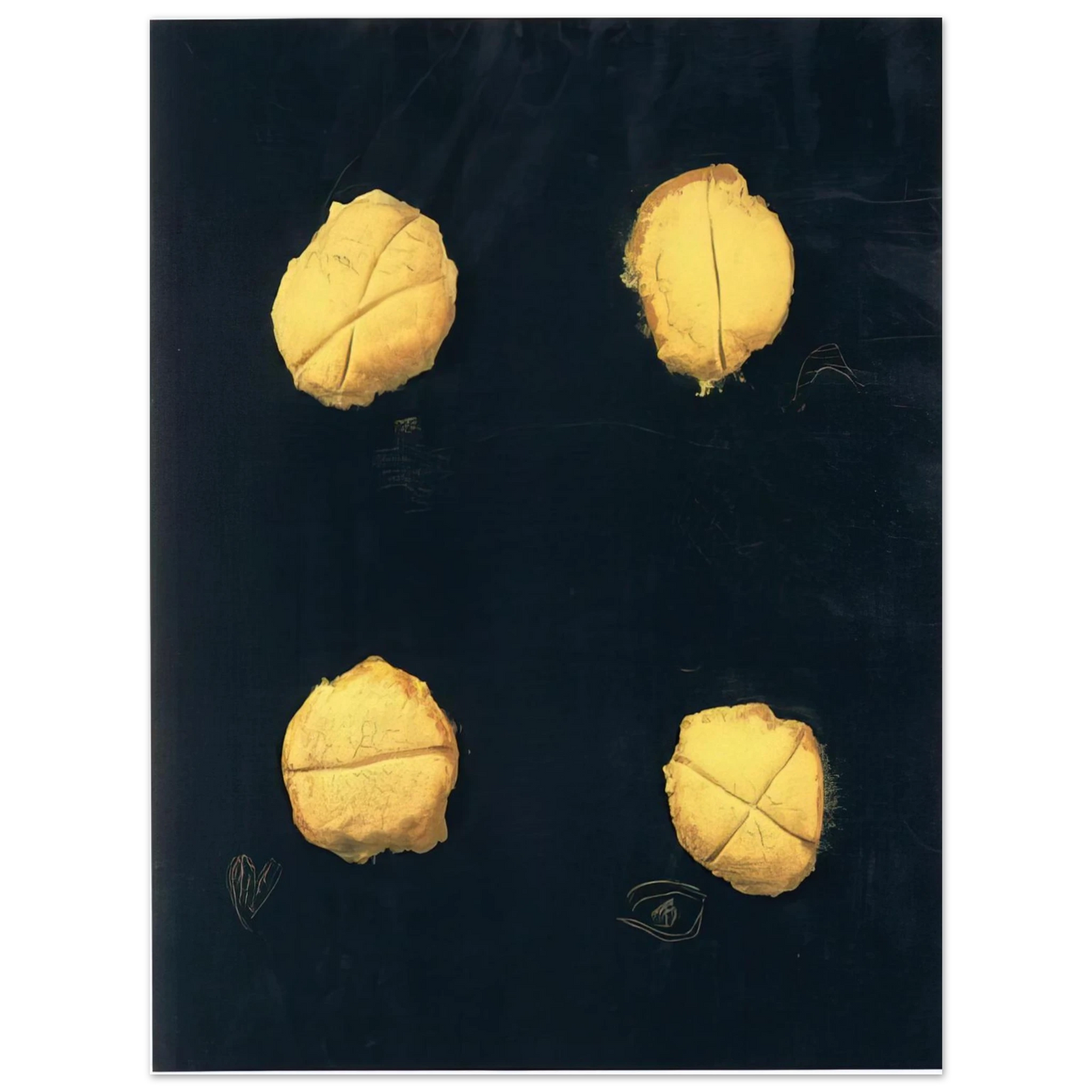
Antoni Tapies - FOUR 1992 75x100 cm / 30x40inches Fine Art Poster
Antoni Tapies - FOUR 1992 75x100 cm / 30x40inches Fine Art Poster
Couldn't load pickup availability
Elevate Your Space with Antoni Tàpies' 'FOUR' (1992)
Experience the profound material poetry of Antoni Tàpies with this museum-quality reproduction of his 1992 masterpiece, FOUR. As a central figure in 20th-century Materism, Tàpies transformed the canvas into a site of philosophical inquiry. This specific work, created during a period of refined maturity, showcases his signature use of symbolic gestures and a minimalist palette that speaks to the essence of human existence and the passage of time.
RedKalion is proud to offer this fine art print, meticulously produced to capture the nuances of Tàpies' original textures. This is not merely a poster, but an archival-grade artifact designed for the discerning collector who appreciates the intersection of Spanish Modernism and contemporary aesthetic gravity.
Master's Edition Paper Quality
To honor the tactile nature of Tàpies' work, we utilize our Master's Edition archival paper. This premium substrate provides a luxurious, off-white finish that allows the deep blacks and subtle gradients of FOUR to resonate with authentic depth. The physical specifications reflect our commitment to museum standards:
- Weight & Texture: A substantial 250 gsm (110 lb) thickness with a sophisticated matte, uncoated finish.
- Archival Longevity: Acid-free (pH above 7) construction ensures the paper will not yellow or degrade, preserving the artwork for generations.
- Sustainability: Printed on FSC-certified paper, supporting responsible forest management.
- Precision: High-definition rendering that captures the 'informel' spirit of the original 1992 composition.
By choosing a RedKalion reproduction, you are investing in an archival masterpiece that brings the gallery experience into your private environment. Our on-demand fulfillment process ensures that each piece is printed specifically for you, maintaining the highest level of quality control from the press to your doorstep.
Discover Unlimited Art Possibilities
At RedKalion, you can find virtually any artwork from any artist, available in a wide range of sizes to perfectly match your space.
If you didn’t find what you’re looking for, contact us at support@redkalion.com . We will source any artwork and produce it in any size and format you need, including art prints, posters, canvas, framed pieces, framed canvas, and more.
For dedicated art enthusiasts, we also offer handcrafted replicas of any artwork, carefully painted by highly skilled artists using traditional techniques.
For custom requests, contact us at support@redkalion.com .
What is the quality of the paper used for this Tàpies print?
We use Master's Edition archival paper, weighing 250 gsm (110 lb). It features a luxurious matte, uncoated, natural white finish that prevents glare and highlights the intricate details of the fine art print.
Is this Antoni Tàpies print archival and fade-resistant?
Yes. The paper is acid-free with a pH above 7, which prevents yellowing over time. This museum-quality reproduction is designed to maintain its structural integrity and visual depth for decades.
What are the shipping and fulfillment details for this artwork?
At RedKalion, we operate on an on-demand basis with no minimum orders. Each print is carefully produced and shipped in protective packaging to ensure it arrives in pristine condition at your location.
Is the paper used for the print environmentally friendly?
Absolutely. We prioritize sustainability by using FSC-certified paper or equivalent certifications, ensuring that your museum-quality reproduction supports responsible and ethical forestry practices.
Does this fine art poster come with a frame?
This product is a standalone fine art print. Its standard 75x100 cm (30x40 inches) dimensions make it ideal for custom framing, allowing you to choose a style that best complements your interior design.
What is the significance of the year 1992 in Antoni Tàpies' career?
By 1992, Tàpies was internationally recognized as a master of Art Informel. This era represents a period of 'stable maturity' where his symbols, like those in 'FOUR', became more meditative and spiritually resonant.
What does the title 'FOUR' signify in this specific artwork?
In Tàpies' iconography, numbers often represent the physical structure of the universe or the passage of time. 'FOUR' likely references the four cardinal points or elements, grounded in his interest in Zen philosophy.