RedKalion
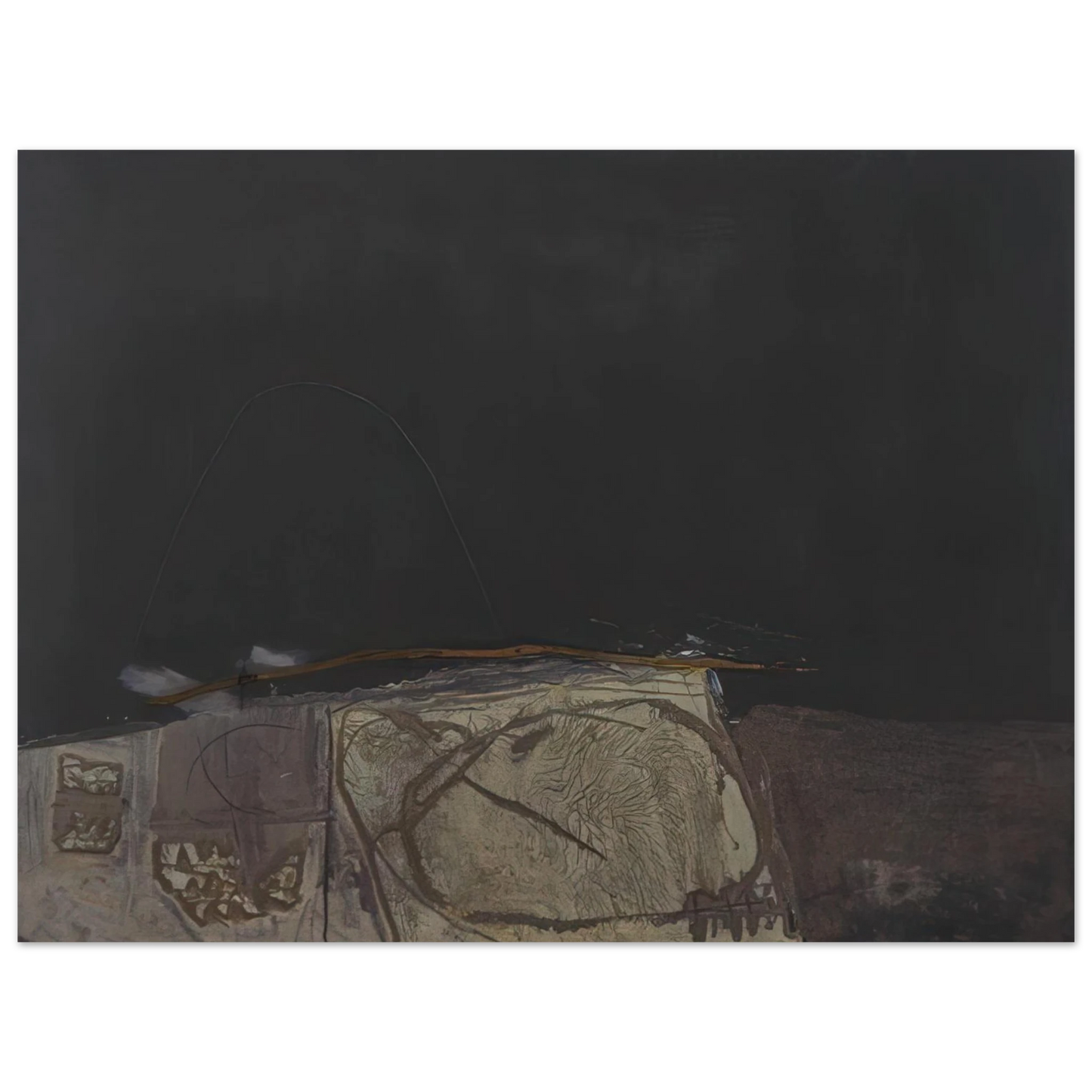
Antoni Tapies - GREY AND GREEN PAINTING 1957 75x100 cm / 30x40inches Fine Art Poster
Antoni Tapies - GREY AND GREEN PAINTING 1957 75x100 cm / 30x40inches Fine Art Poster
Couldn't load pickup availability
The Essence of Informalism: Antoni Tàpies' Grey and Green Painting (1957)
Experience the profound depth of Antoni Tàpies' mid-century masterpiece, Grey and Green Painting 1957. As a central figure in the European Informalism movement, Tàpies transformed the canvas into a tactile wall, reflecting the political and philosophical scars of his era. This 75x100 cm fine art reproduction captures the raw, meditative power of his 'matter painting' technique, where texture and subdued color palettes speak louder than traditional forms.
Museum-Quality Craftsmanship for the Discerning Collector
At RedKalion, we bridge the gap between historical significance and modern interior elegance. This museum-quality print is meticulously produced on Master's Edition archival paper. With a robust weight of 250 gsm (110 lb) and a thickness of 0.29 mm, the print offers a substantial, premium feel that mirrors the gravity of the original work. The matte, uncoated natural white finish ensures that the intricate shadows and subtle green undertones are rendered without distracting glare, providing an authentic viewing experience.
A Legacy of Longevity and Sustainability
Investing in a RedKalion reproduction means securing an archival piece that endures. Our paper is acid-free (pH above 7), specifically engineered to prevent yellowing or degradation over decades. Furthermore, we remain committed to ethical curation; all prints utilize FSC-certified paper, ensuring your appreciation for art aligns with environmental responsibility. This fine art poster arrives as a testament to Tàpies’ genius, ready to elevate your space into a private gallery of high-caliber abstraction.
Discover Unlimited Art Possibilities
At RedKalion, you can find virtually any artwork from any artist, available in a wide range of sizes to perfectly match your space.
If you didn’t find what you’re looking for, contact us at support@redkalion.com . We will source any artwork and produce it in any size and format you need, including art prints, posters, canvas, framed pieces, framed canvas, and more.
For dedicated art enthusiasts, we also offer handcrafted replicas of any artwork, carefully painted by highly skilled artists using traditional techniques.
For custom requests, contact us at support@redkalion.com .
What paper quality is used for this Antoni Tàpies print?
We use Master's Edition archival paper, a premium 250 gsm (110 lb) stock. It features a matte, uncoated natural white finish, providing a luxurious, glare-free texture that highlights every nuance of the original 1957 composition.
Is the paper used for this artwork environmentally friendly?
Yes, sustainability is a core value at RedKalion. This fine art poster is printed on FSC-certified paper, ensuring that the materials are sourced from responsibly managed forests that provide environmental, social, and economic benefits.
Will the print colors fade or yellow over time?
No. Our prints are made on acid-free paper with a pH level above 7. This archival-grade material prevents yellowing and preserves the integrity of the grey and green pigments for generations.
How is the fulfillment and shipping handled for this piece?
Each Tàpies print is produced on demand with no minimum order requirements. We utilize a global fulfillment network to ensure your museum-quality reproduction is printed and shipped efficiently to your destination.
What is the physical texture and thickness of the poster?
The print is 0.29 mm (11.4 mils) thick, offering a heavy, professional feel. The matte finish is smooth to the touch but visually rich, capturing the 'matter painting' aesthetic Tàpies is famous for.
What art movement does Grey and Green Painting 1957 belong to?
This work is a definitive example of Informalism (Art Informel). Tàpies used 'matière' painting techniques, focusing on the physical properties of materials to express philosophical and existential themes during the post-war period.
Why is the year 1957 significant for Antoni Tàpies?
1957 was a pivotal year in Tàpies' career as he refined his 'matter' style. During this period, he gained significant international recognition, leading to his major success at the Venice Biennale shortly thereafter.