RedKalion
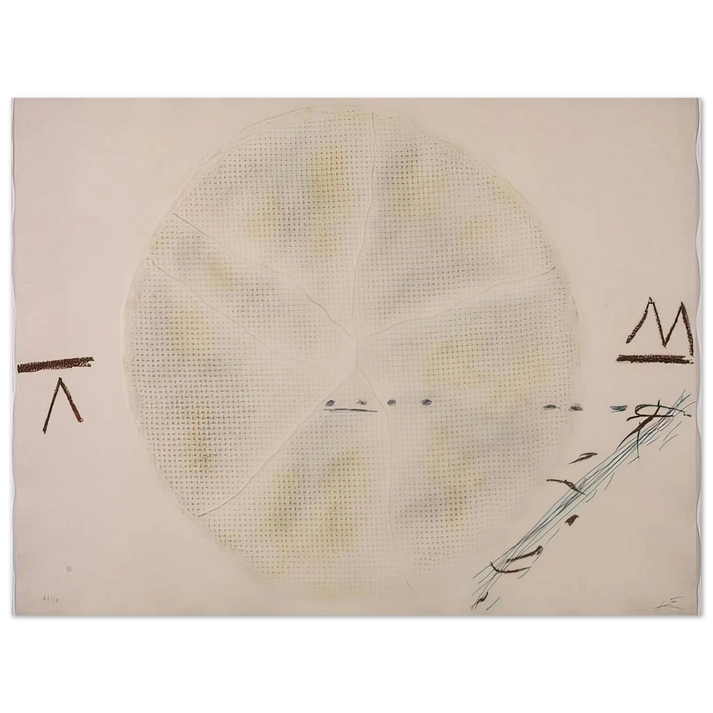
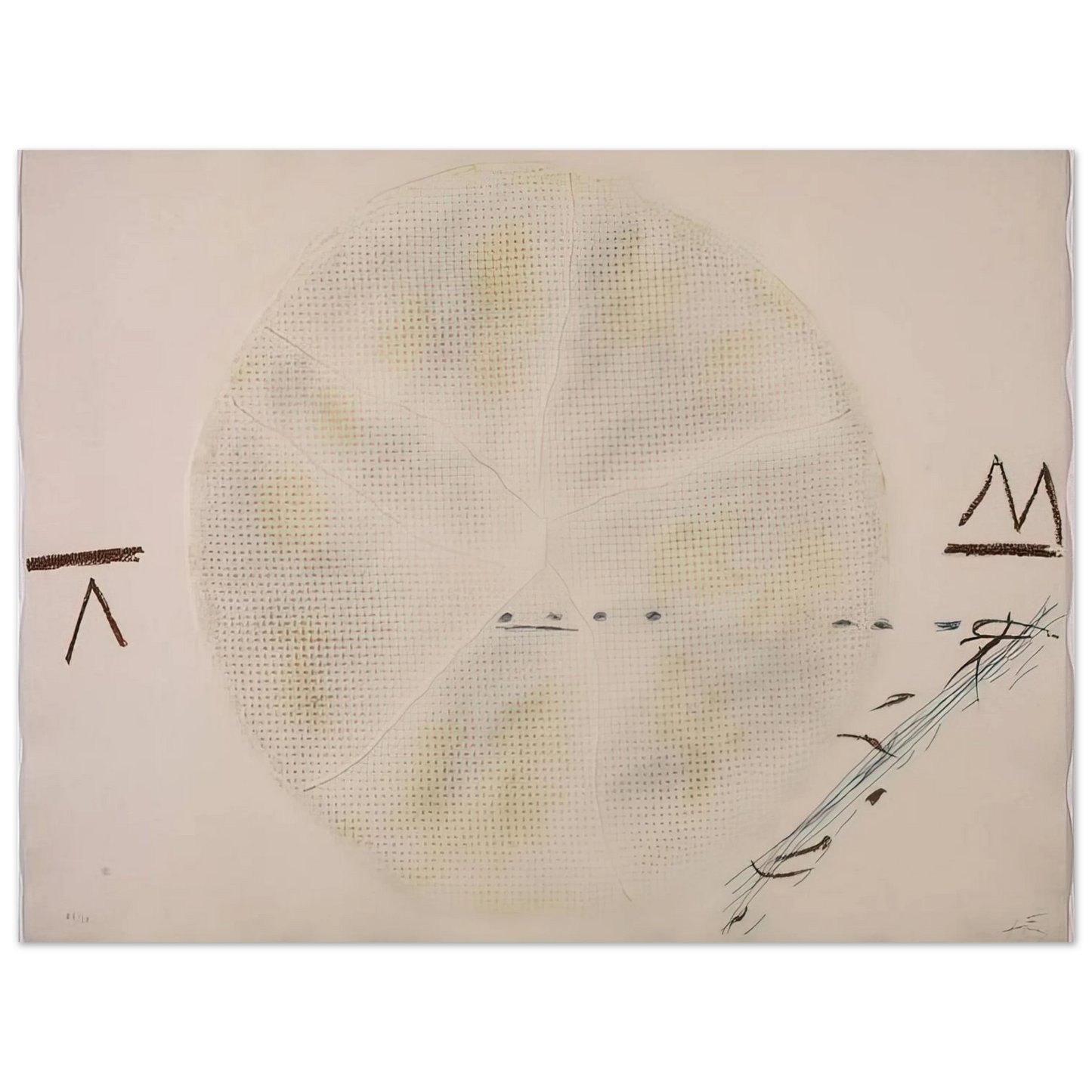
Antoni Tapies - THE SIEVE 1972 75x100 cm / 30x40inches Fine Art Poster
Antoni Tapies - THE SIEVE 1972 75x100 cm / 30x40inches Fine Art Poster
Couldn't load pickup availability
Elevate Your Space with Antoni Tàpies: The Sieve (1972)
Experience the profound material poetry of Antoni Tàpies through this exquisite 1972 masterpiece, The Sieve. A seminal figure of the European Art Informel movement, Tàpies transformed the mundane into the metaphysical. This piece serves as a contemplative exploration of texture, form, and symbol, characteristic of his work from the early 1970s. By incorporating symbols that bridge the gap between the physical world and abstract thought, Tàpies invites the viewer to look beyond the surface and engage with the essential nature of matter.
Museum-Quality Craftsmanship from RedKalion
At RedKalion, we believe such a significant piece of art history deserves a presentation of unparalleled quality. Our fine art reproduction of The Sieve is meticulously printed on Master's Edition archival paper. This premium, museum-grade substrate offers a matte, uncoated finish in a sophisticated natural white (off-white), providing a luxurious tactile experience that minimizes glare and maximizes the depth of Tàpies' intricate compositions.
- Exceptional Weight: Printed on 250 gsm (110 lb) paper for a substantial, premium feel.
- Archival Longevity: Acid-free paper with a pH above 7 prevents yellowing, ensuring your investment endures for generations.
- Sustainability: We utilize FSC-certified paper, honoring the artist’s deep connection to nature and material.
- Precision Detail: A thickness of 0.29 mm (11.4 mils) captures every nuance of the original's texture and tonal transitions.
This is more than a poster; it is a curated reproduction that brings the avant-garde spirit of 20th-century Barcelona into your home or office. Elevate your environment with an archival masterpiece that maintains the integrity and gravitas of the original 1972 work.
Discover Unlimited Art Possibilities
At RedKalion, you can find virtually any artwork from any artist, available in a wide range of sizes to perfectly match your space.
If you didn’t find what you’re looking for, contact us at support@redkalion.com . We will source any artwork and produce it in any size and format you need, including art prints, posters, canvas, framed pieces, framed canvas, and more.
For dedicated art enthusiasts, we also offer handcrafted replicas of any artwork, carefully painted by highly skilled artists using traditional techniques.
For custom requests, contact us at support@redkalion.com .
What defines the quality of this Antoni Tàpies print?
Our reproduction is a museum-quality fine art print, utilizing Master's Edition archival paper. The 250 gsm weight and matte finish ensure a sophisticated appearance that mirrors the texture and depth of Tàpies' original 1972 composition.
Is the paper used for 'The Sieve' archival-grade?
Yes, we use acid-free paper with a pH level above 7. This archival-grade material is specifically designed to prevent yellowing and degradation over time, preserving the artwork's integrity for decades.
How is the artwork shipped to ensure protection?
Every order is fulfilled on demand and packaged using high-strength, protective materials to ensure your print arrives in pristine condition. We maintain a commitment to excellence from the printing press to your doorstep.
What are the environmental certifications of the materials?
RedKalion is committed to sustainability. This print uses FSC-certified paper, ensuring that the materials are sourced from responsibly managed forests that provide environmental, social, and economic benefits.
Does this reproduction capture the texture of the original 1972 piece?
While the print is on a smooth matte paper, the high-resolution printing process and 250 gsm thickness expertly replicate the visual textures and 'matter' aesthetics typical of Tàpies' signature style.
What is the significance of the sieve in Tàpies' 1972 work?
In Tàpies' iconography, the sieve represents a filter for reality or consciousness. It reflects his interest in 'matter painting,' where everyday objects become symbols for philosophical inquiry and human existence.
Which artistic movement does 'The Sieve' represent?
This work is a prime example of Art Informel (Matter Painting). Tàpies led this movement by focusing on the physical properties of his materials and using non-traditional symbols to evoke deep emotion.