RedKalion
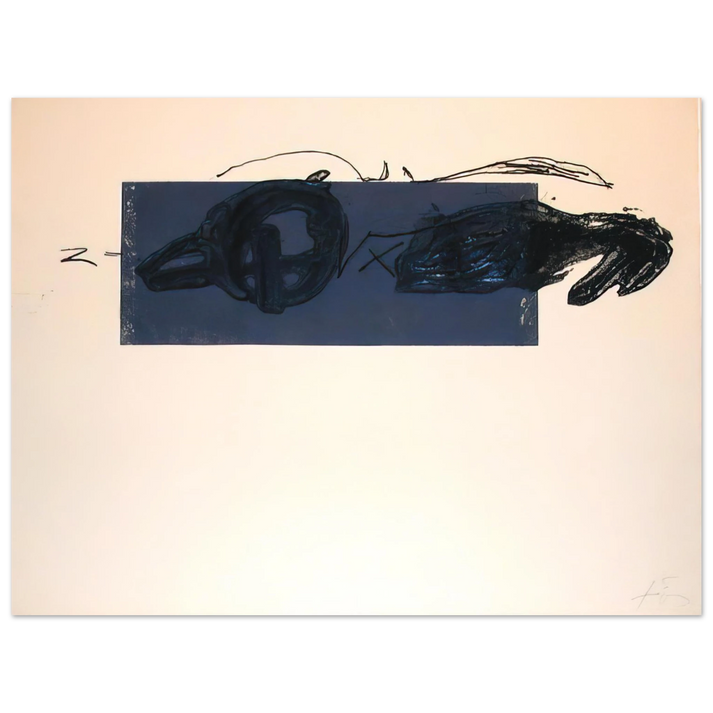
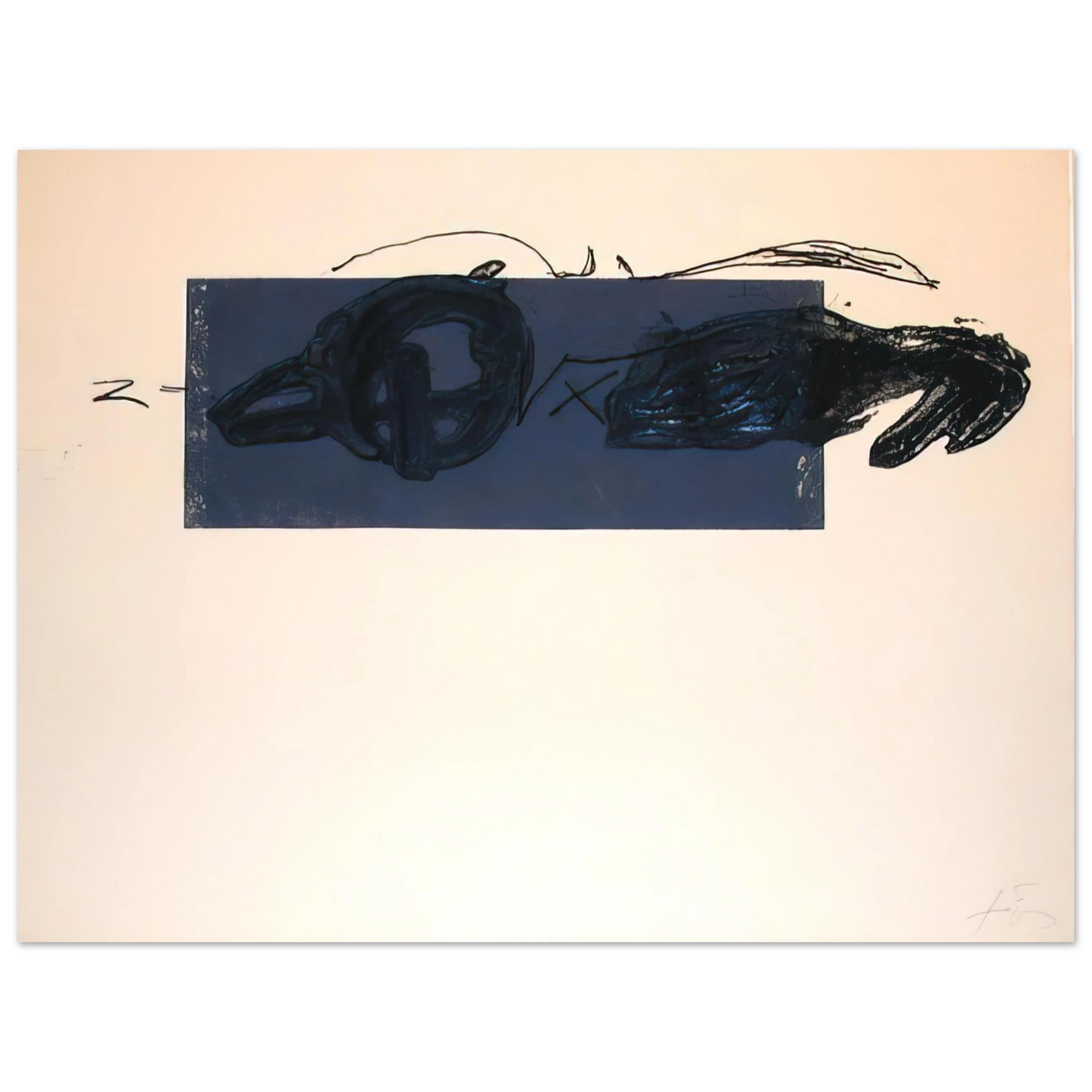
Antoni Tapies - Z 1981 75x100 cm / 30x40inches Fine Art Poster
Antoni Tapies - Z 1981 75x100 cm / 30x40inches Fine Art Poster
Couldn't load pickup availability
Antoni Tàpies: Z (1981) – The Language of Matter
Experience the profound materiality of Antoni Tàpies through this exquisite reproduction of Z (1981). A central figure in the European Art Informel movement, Tàpies transformed the canvas into a wall-like surface where gestural marks and cryptic symbols—like the enigmatic 'Z'—invite deep contemplation. This piece represents a mature period in the artist's career, where his mastery of texture and symbolic economy reached its zenith.
Museum-Quality Execution
At RedKalion, we believe such historical significance deserves an equally significant medium. This fine art print is rendered on our Master's Edition archival paper. With a robust weight of 250 gsm (110 lb) and a thickness of 0.29 mm, the paper provides a luxurious, tactile presence that mirrors the 'matter' focus of Tàpies' original work.
- Finish: A sophisticated matte, uncoated finish in natural white (off-white) to eliminate glare and preserve color depth.
- Longevity: Acid-free (pH above 7) composition ensures the artwork remains pristine without yellowing over time.
- Sustainability: Printed on FSC-certified paper, aligning artistic beauty with environmental responsibility.
By choosing this museum-quality reproduction, you are not simply purchasing a poster; you are acquiring a curated piece of art history designed to endure for generations. Elevate your space with an archival masterpiece that endures.
Discover Unlimited Art Possibilities
At RedKalion, you can find virtually any artwork from any artist, available in a wide range of sizes to perfectly match your space.
If you didn’t find what you’re looking for, contact us at support@redkalion.com . We will source any artwork and produce it in any size and format you need, including art prints, posters, canvas, framed pieces, framed canvas, and more.
For dedicated art enthusiasts, we also offer handcrafted replicas of any artwork, carefully painted by highly skilled artists using traditional techniques.
For custom requests, contact us at support@redkalion.com .
What defines the quality of this Antoni Tàpies print?
This print is produced on Master's Edition archival paper, a 250 gsm (110 lb) museum-quality medium. This ensures a heavy, premium feel and high-resolution detail that honors Tàpies' original textures.
Is the paper used for 'Z' (1981) sustainable?
Yes, RedKalion utilizes FSC-certified paper for this reproduction. This certification ensures that the paper is sourced from responsibly managed forests, meeting the highest environmental and social standards.
How does the archival nature prevent aging?
The paper is acid-free with a pH balance above 7. This chemical stability prevents the natural white paper from yellowing or becoming brittle over time, preserving the artwork's integrity for decades.
What are the shipping and fulfillment details?
Every order is printed and shipped on demand with no minimum requirements. This ensures your Antoni Tàpies print arrives in perfect condition, freshly produced specifically for your collection.
What is the texture and finish of the poster?
The print features a matte, uncoated finish. This natural white texture provides a luxurious look without the reflections found on glossy paper, emphasizing the subtle tonal shifts in the artwork.
What is the symbolic meaning of the 'Z' in Tàpies' work?
For Tàpies, symbols like 'Z' often referenced the intersection of the spiritual and the material. His marks are reminiscent of graffiti on ancient walls, representing human presence and the passage of time.
In what era of Tàpies' career was this piece created?
Created in 1981, this piece belongs to Tàpies' later period of Matter Painting. During this time, his work focused on the philosophical concept of emptiness and the transformative power of everyday materials.