RedKalion
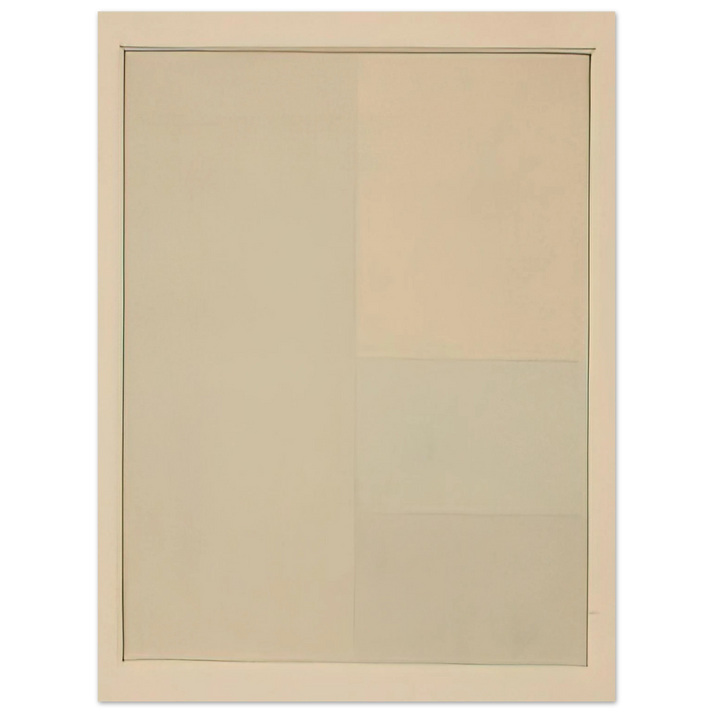
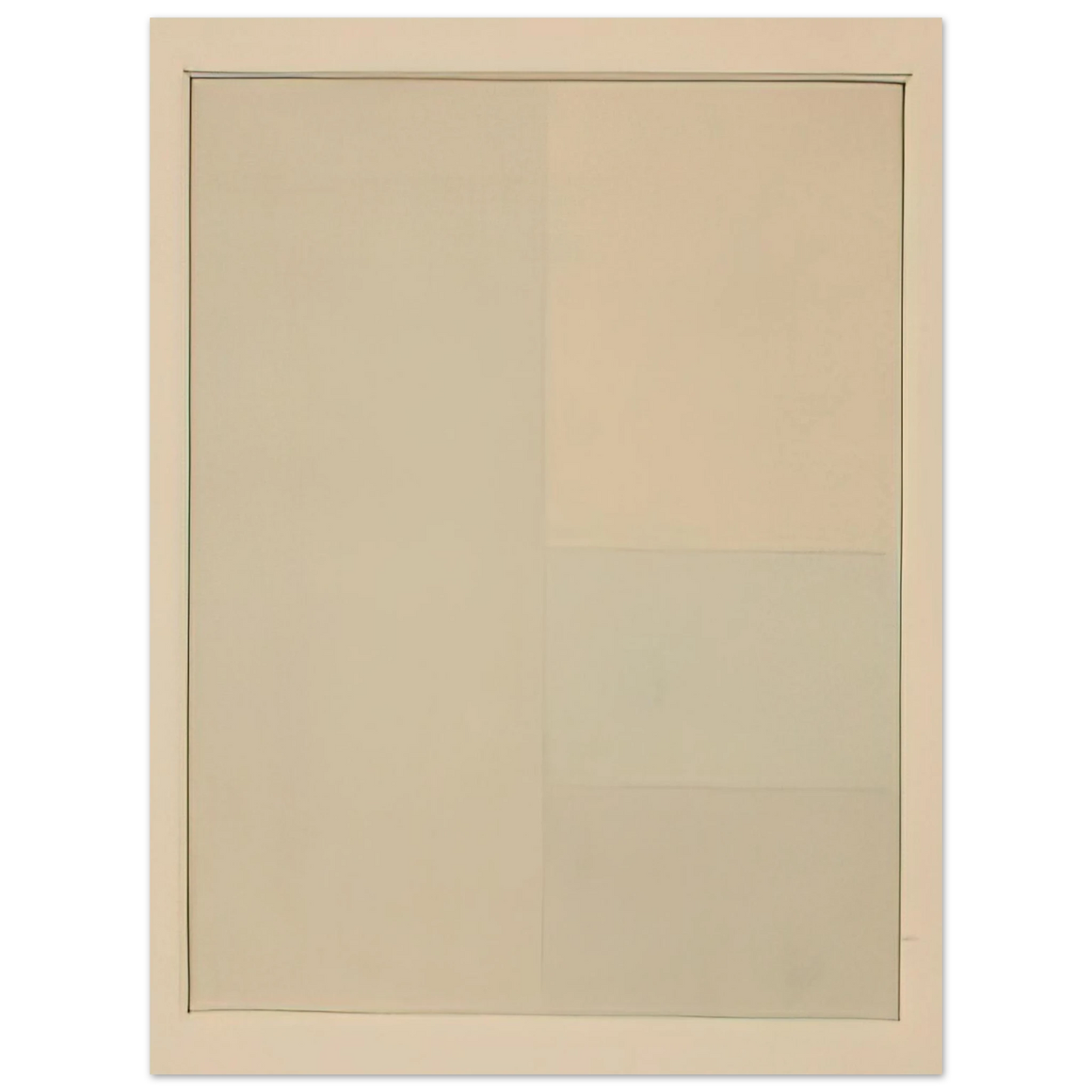
Antonio Calderara - Spazio Luce - 1959 75x100 cm / 30x40inches Fine Art Poster
Antonio Calderara - Spazio Luce - 1959 75x100 cm / 30x40inches Fine Art Poster
Couldn't load pickup availability
Elevate Your Space with Antonio Calderara’s Spazio Luce (1959)
Experience the profound tranquility and architectural precision of Antonio Calderara’s Spazio Luce (1959). This museum-quality reproduction captures a pivotal moment in Italian art history—the year Calderara transitioned from figurative representation to the ethereal, geometric abstraction that would define his legacy. This 75x100 cm (30x40 inches) fine art poster is more than a decorative piece; it is an investigation into the weightless interaction between light and form.
Master’s Edition: Archival Quality That Endures
At RedKalion, we believe a masterpiece deserves a canvas that honors its history. This archival fine art print is rendered on our Master’s Edition paper, a premium museum-quality medium that ensures your investment stands the test of time. The paper is acid-free (pH above 7), preventing the yellowing or degradation often found in mass-produced prints.
- Weight & Thickness: A substantial 250 gsm (110 lb) weight with a thickness of 0.29 mm (11.4 mils) for a premium, heavy feel.
- Luxurious Finish: A matte, uncoated, natural white (off-white) surface that provides a sophisticated texture without distracting glare.
- Sustainability: Printed on FSC-certified paper, reflecting our commitment to environmental stewardship.
A Study in Light and Minimalist Harmony
Calderara’s technique in 1959 involved a meticulous reduction of reality into its essential components. Spazio Luce utilizes a palette of soft, vibrating tones that seem to emanate light from within the paper itself. By integrating this Antonio Calderara reproduction into your collection, you are choosing a piece that bridges the gap between mid-century Modernism and the Concrete Art movement. RedKalion is proud to offer this meticulously curated edition, printed and shipped on demand with no minimum requirements, ensuring an exclusive and sustainable acquisition for the discerning collector.
Discover Unlimited Art Possibilities
At RedKalion, you can find virtually any artwork from any artist, available in a wide range of sizes to perfectly match your space.
If you didn’t find what you’re looking for, contact us at support@redkalion.com . We will source any artwork and produce it in any size and format you need, including art prints, posters, canvas, framed pieces, framed canvas, and more.
For dedicated art enthusiasts, we also offer handcrafted replicas of any artwork, carefully painted by highly skilled artists using traditional techniques.
For custom requests, contact us at support@redkalion.com .
What makes the Master's Edition paper special?
Our Master's Edition paper is a 250 gsm (110 lb) museum-quality medium. It offers a luxurious, heavy feel and a thickness of 0.29 mm, ensuring your Antonio Calderara print remains a centerpiece for decades.
Will the colors fade over time?
No. The acid-free (pH above 7) composition prevents yellowing. This museum-quality reproduction is designed to endure, preserving the delicate chromatic nuances of Calderara's 1959 masterpiece.
What is the finish of the Antonio Calderara print?
The print features a matte, uncoated finish on a natural white (off-white) base. This texture minimizes glare and highlights the subtle gradients of 'Spazio Luce' without the distractions of a glossy surface.
How is my order fulfilled and shipped?
RedKalion operates on a high-efficiency print-on-demand model with no minimum orders. Each piece is meticulously produced and shipped in protective packaging to ensure it arrives in pristine condition.
Is the paper sustainably sourced?
Yes. We prioritize environmental responsibility. This Antonio Calderara fine art print is produced on FSC-certified paper, supporting sustainable forest management practices worldwide.
What does 'Spazio Luce' represent in Calderara's career?
'Spazio Luce' (Space Light) signifies Calderara's departure from figuration. In 1959, he began exploring the emotional resonance of light through geometric forms, creating a visual language that balances architecture and atmosphere.
Why is the 1959 period significant for Calderara?
The year 1959 marks Calderara's definitive move toward Concrete Art. Having met figures like Albers, his work became an investigation into the 'vibration' of light within structured, minimalist spaces.