RedKalion
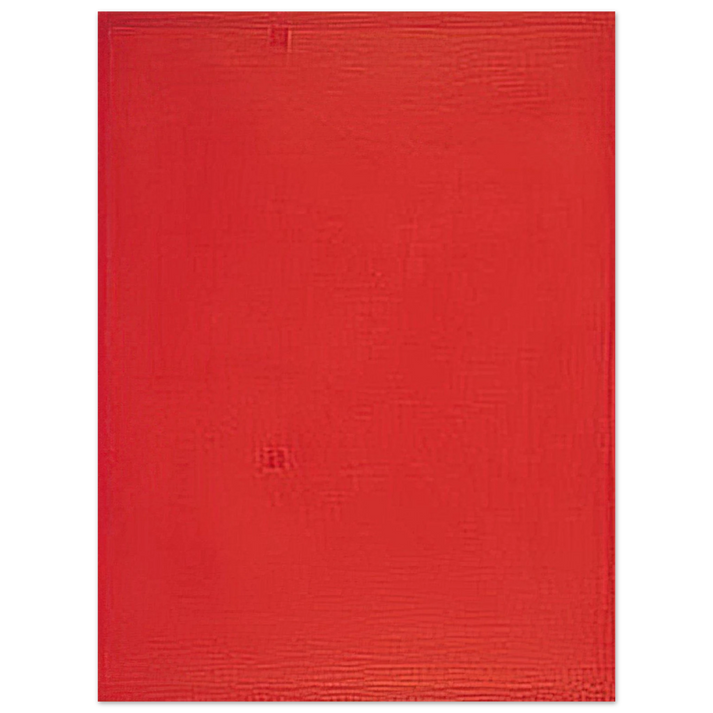
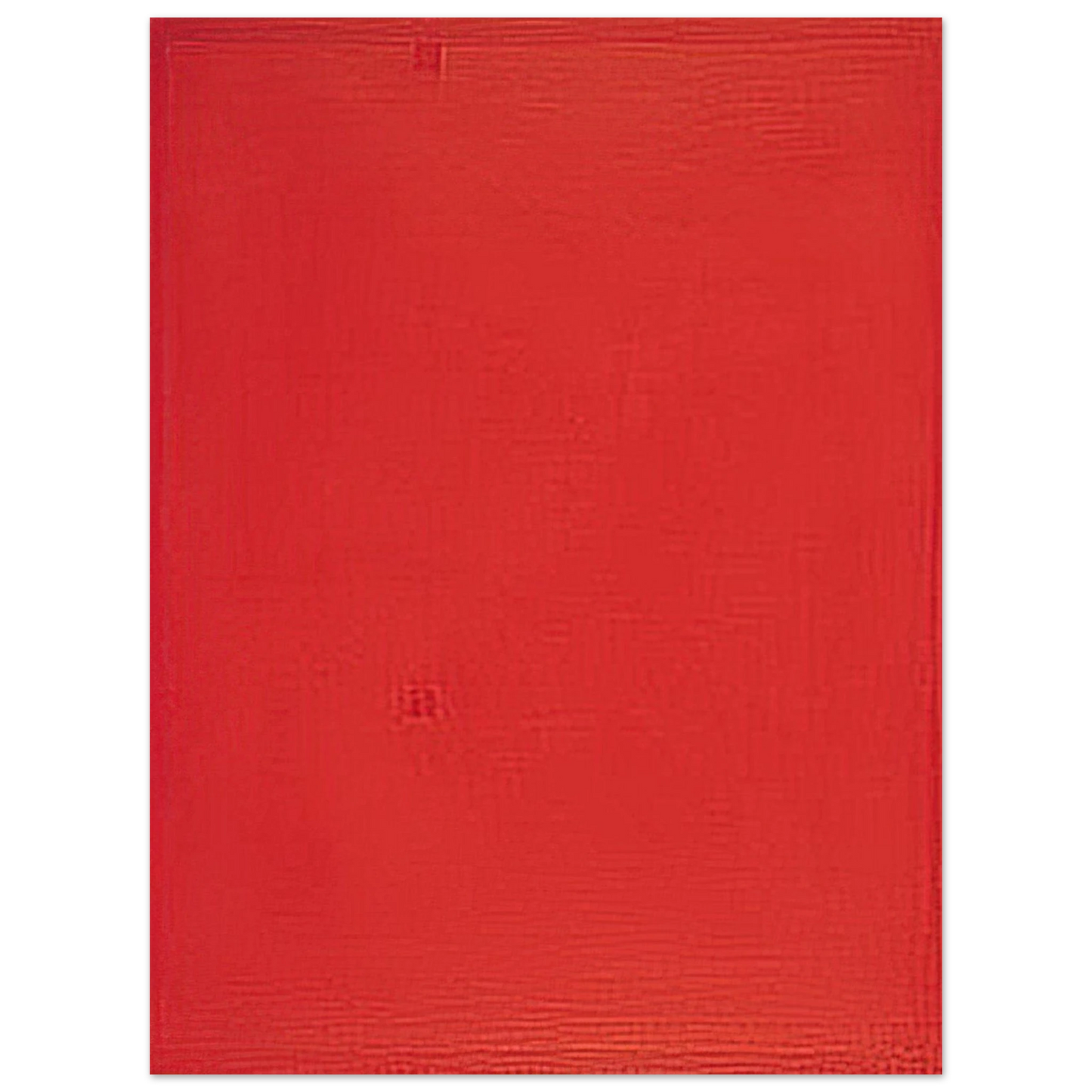
Antonio Calderara - Spazio Luce - 1963 75x100 cm / 30x40inches Fine Art Poster
Antonio Calderara - Spazio Luce - 1963 75x100 cm / 30x40inches Fine Art Poster
Couldn't load pickup availability
Experience the Ethereal: Antonio Calderara’s Spazio Luce (1963)
In 1963, Antonio Calderara reached a pinnacle of minimalist expression with Spazio Luce. This masterpiece represents a profound shift from the figurative toward a pure, geometric investigation of light and void. As a curated selection for the RedKalion gallery, this museum-quality reproduction captures the delicate balance of tension and tranquility that defined Calderara's late career.
This Antonio Calderara fine art print is more than a visual object; it is a meditation on the architectural quality of color. By employing subtle tonal shifts, Calderara invites the viewer into a space where the boundaries between the physical and the infinite dissolve. His technique, often described as 'silent geometry,' relies on the precision of light to define the canvas.
Museum-Grade Craftsmanship and Material Excellence
To honor the luminous quality of the original work, RedKalion utilizes our Master's Edition archival paper. This premium substrate ensures that the soft, atmospheric gradations of Spazio Luce are preserved with absolute fidelity, mirroring the artist's intent to create an immersive, light-filled environment.
- Premium Texture: A matte, uncoated, natural white (off-white) finish that avoids glare and enhances the depth of the abstract composition.
- Archival Integrity: Acid-free (pH above 7) to ensure the piece remains vibrant for generations without yellowing or degradation.
- Substantial Feel: 250 gsm (110 lb) weight with a 0.29 mm (11.4 mils) thickness, providing the tactile quality of a gallery original.
- Eco-Conscious Production: Printed on FSC-certified paper, supporting responsible forestry and sustainable art curation.
Elevate your space with a piece that defines the intersection of Italian abstraction and architectural light. This archival-grade reproduction serves as a timeless focal point, offering an enduring legacy of 20th-century minimalism.
Discover Unlimited Art Possibilities
At RedKalion, you can find virtually any artwork from any artist, available in a wide range of sizes to perfectly match your space.
If you didn’t find what you’re looking for, contact us at support@redkalion.com . We will source any artwork and produce it in any size and format you need, including art prints, posters, canvas, framed pieces, framed canvas, and more.
For dedicated art enthusiasts, we also offer handcrafted replicas of any artwork, carefully painted by highly skilled artists using traditional techniques.
For custom requests, contact us at support@redkalion.com .
What are the physical specifications of this Antonio Calderara print?
This fine art poster is printed on 250 gsm (110 lb) Master's Edition archival paper. It features a thickness of 0.29 mm and a luxurious matte, natural white finish that prevents glare and emphasizes color depth.
How does the archival quality prevent yellowing over time?
We use acid-free paper with a pH level above 7. This prevents the chemical degradation that causes yellowing, ensuring your museum-quality reproduction remains pristine and vibrant for decades under normal display conditions.
Is the paper used for this art print sustainably sourced?
Yes, all prints in the RedKalion collection use FSC-certified paper. This ensures that the materials for your Antonio Calderara reproduction come from responsibly managed forests that provide environmental, social, and economic benefits.
What is the shipping process for my order?
Each print is produced on demand with no minimum order requirements. We use specialized protective packaging to ensure your fine art arrives in perfect condition, printed and shipped efficiently to your destination.
Will the matte finish affect the vibrancy of the colors?
The natural white, uncoated finish is specifically chosen for museum-quality prints. It provides a sophisticated texture that handles light beautifully, maintaining the integrity of Calderara's subtle color gradations without any distracting reflections.
What was the inspiration behind the Spazio Luce series?
Calderara sought to depict light not as an external source, but as a space itself. 'Spazio Luce' translates to 'Space Light,' reflecting his goal to create a silent, luminous environment through minimalist geometry.
Why is 1963 considered a significant year for Calderara's work?
1963 marks the maturation of Calderara's transition into complete abstraction. It was during this period that he refined his unique 'light-space' language, moving away from his earlier figurative style into the geometric purity seen in this work.