RedKalion
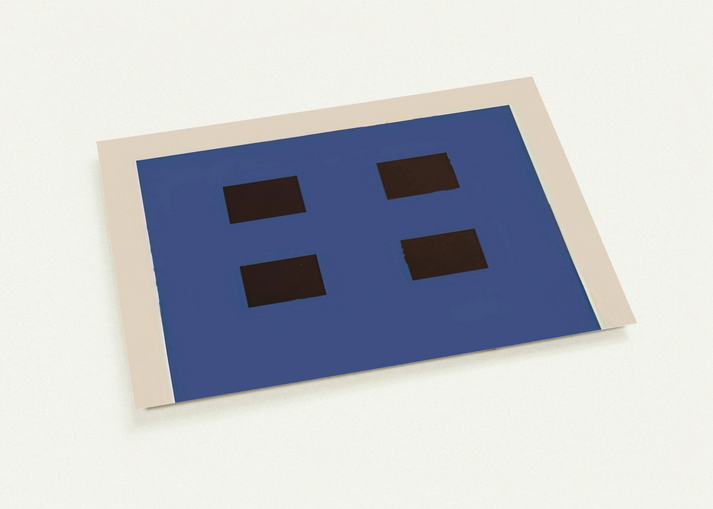
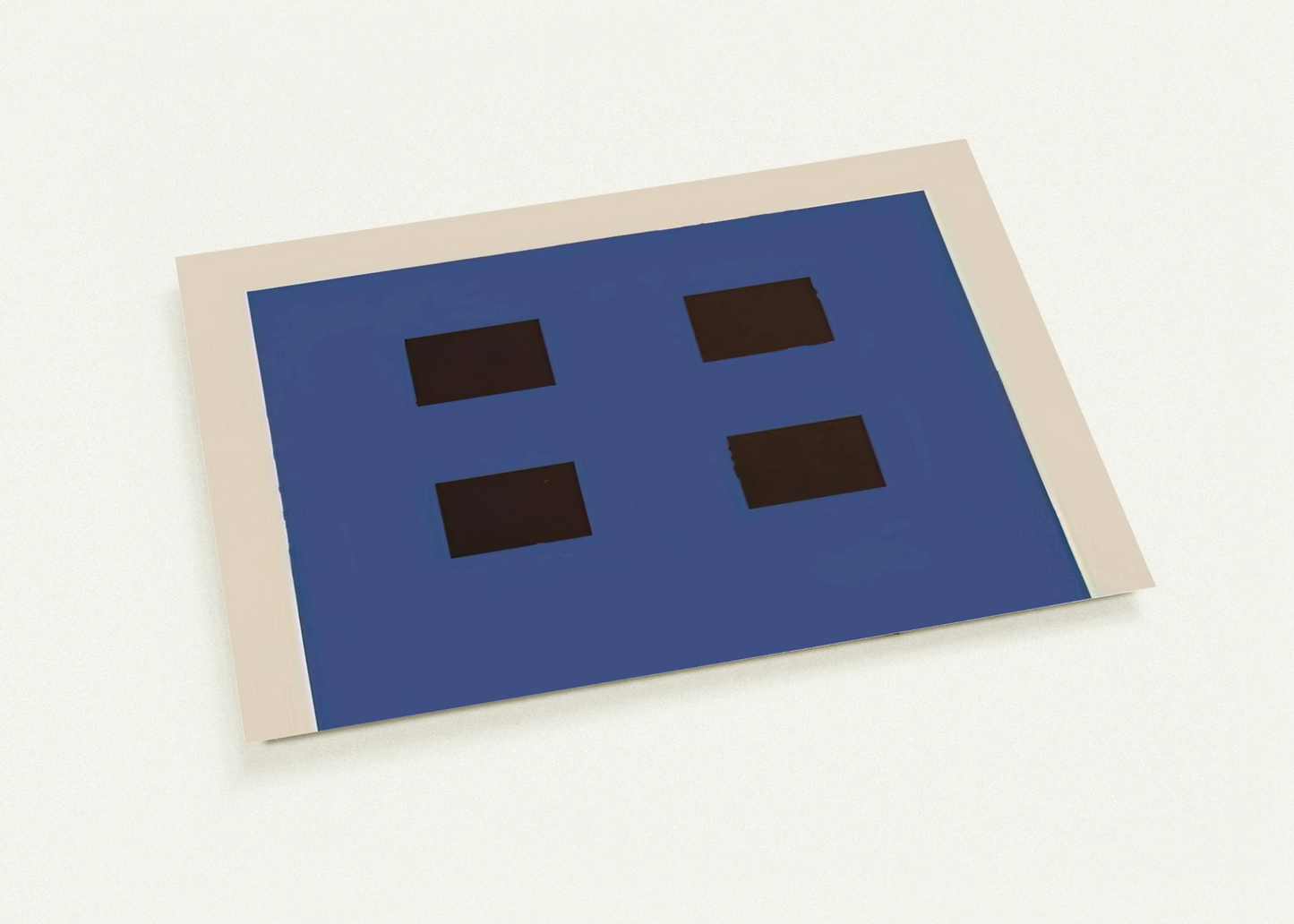
Apartment House - 1981 By Peter Halley Pack of 10 Post Cards | Peter Halley Post Cards | A6 (10.5 x 14.8 cm) - 4.1 x 5.8 inches
Apartment House - 1981 By Peter Halley Pack of 10 Post Cards | Peter Halley Post Cards | A6 (10.5 x 14.8 cm) - 4.1 x 5.8 inches
Couldn't load pickup availability
Elevate Your Collection with Peter Halley’s Apartment House (1981)
Immerse yourself in the structural complexity of Neo-Geometric Conceptualism with this exclusive pack of 10 fine art post cards featuring Peter Halley’s Apartment House (1981). A seminal figure in the 1980s New York art scene, Halley redefined abstraction by transforming geometric shapes into social metaphors—what he famously termed 'cells' and 'conduits.' This specific work highlights the isolation and connectivity of modern urban living, rendered with a precision that RedKalion preserves in every print.
Museum-Quality Reproduction Technology
At RedKalion, we believe that even a post card should be a masterpiece. Each card in this 10-pack is rendered using our 12-color fine art printing technology. This advanced process delivers a spectrum of color vibrancy and stunning depth that far exceeds standard commercial printing, capturing the intense, flat hues essential to Halley’s aesthetic. The smooth matte finish provides a sophisticated, glare-free surface that invites tactile engagement while maintaining archival integrity.
Premium Specifications for the Discerning Curator
- Archival Grade Paper: Printed on 200 gsm (80 lb) paper with a thickness of 0.26 mm (10.3 mils) for a substantial, high-end feel.
- FSC-Certified: Our commitment to the planet matches our commitment to art; we use environmentally conscious, sustainably sourced materials.
- Precise Dimensions: Offered in the classic A6 format (10.5 x 14.8 cm / 4.1 x 5.8 inches), perfect for framing or high-concept correspondence.
- Bespoke Production: Printed on demand to ensure the highest quality control with no minimum order requirements.
Whether utilized for correspondence or as a curated set for your personal gallery, these Peter Halley post cards offer a sophisticated encounter with contemporary art history. Elevate your space with an archival masterpiece that endures.
Discover Unlimited Art Possibilities
At RedKalion, you can find virtually any artwork from any artist, available in a wide range of sizes to perfectly match your space.
If you didn’t find what you’re looking for, contact us at support@redkalion.com . We will source any artwork and produce it in any size and format you need, including art prints, posters, canvas, framed pieces, framed canvas, and more.
For dedicated art enthusiasts, we also offer handcrafted replicas of any artwork, carefully painted by highly skilled artists using traditional techniques.
For custom requests, contact us at support@redkalion.com .
What printing technology is used for these Peter Halley post cards?
We use 12-color fine art printing technology. This provides superior color accuracy and depth compared to standard 4-color inkjet processes, ensuring the vibrancy of Halley’s work is perfectly preserved.
What is the texture and finish of the paper?
The cards feature a smooth matte finish on 200 gsm (80 lb) paper. This creates a clean, glare-free display that highlights the geometric precision of the artwork.
Are the materials used in these cards sustainable?
Yes. RedKalion utilizes FSC-certified paper, ensuring that your museum-quality reproductions are printed on environmentally conscious and responsibly sourced materials.
Is there a minimum order requirement for these post cards?
No. These are printed on demand with no minimum order requirements, allowing you to acquire premium art reproductions as needed for your collection.
How durable are these fine art post cards?
With a thickness of 0.26 mm (10.3 mils) and a weight of 200 gsm, these cards are designed for archival longevity and a premium, sturdy hand-feel.
What is the significance of the 'cell' in Peter Halley’s Apartment House?
In Halley's Neo-Geo vocabulary, the 'cell' represents the isolated spaces of modern life, such as apartments or offices, critiquing how geometry reflects social confinement.
When was the original Apartment House created by Peter Halley?
The original Apartment House was created in 1981, marking a pivotal moment in the transition from traditional minimalism to Neo-Geometric Conceptualism.