
RedKalion
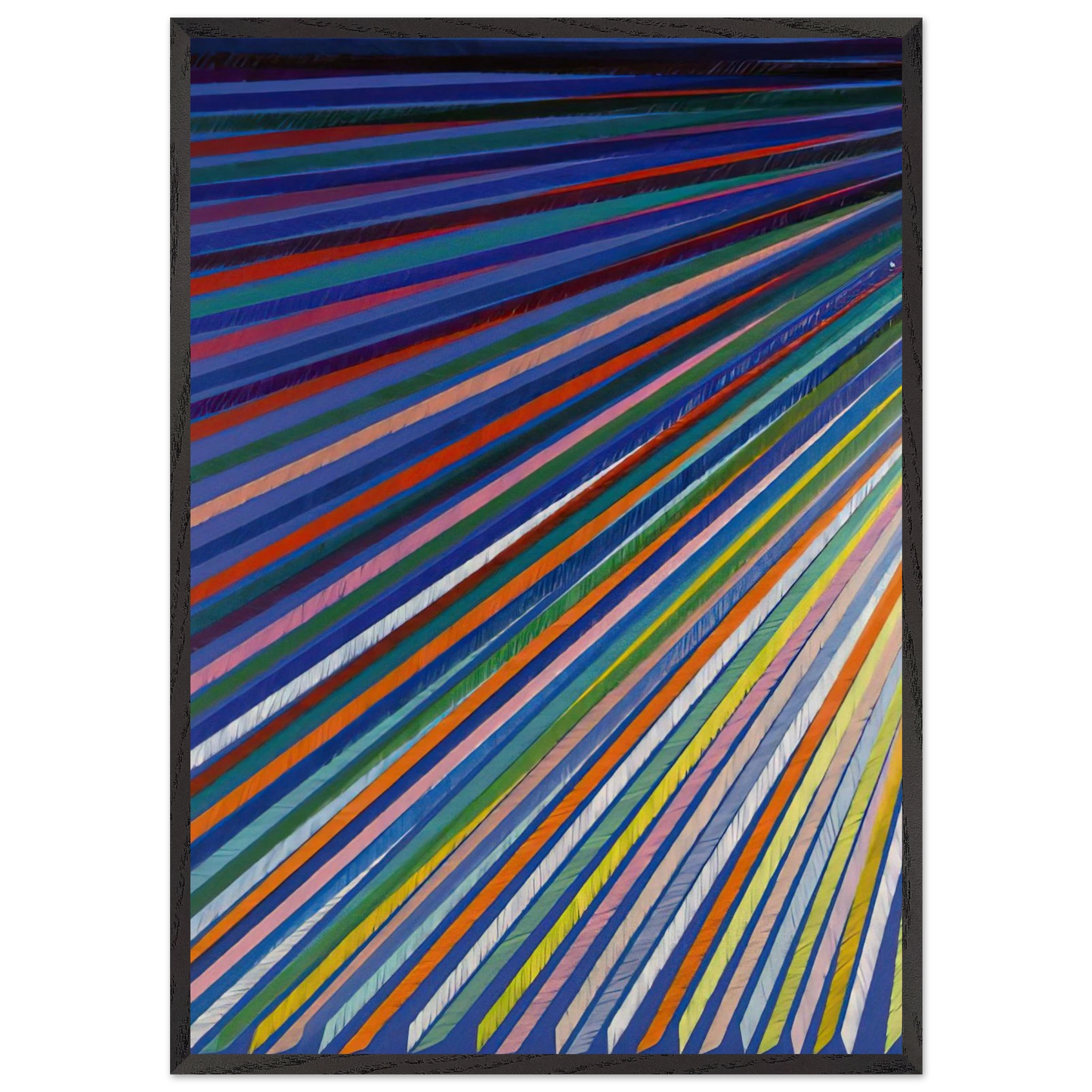
Apex - 1984 - Piero Dorazio 70x100 cm / 28x40 inches Framed Art Print – Black Wooden Frame
Apex - 1984 - Piero Dorazio 70x100 cm / 28x40 inches Framed Art Print – Black Wooden Frame
Couldn't load pickup availability
The Chromatic Rhythm of Piero Dorazio’s 'Apex' (1984)
Piero Dorazio, a seminal figure in European abstraction, redefined the relationship between light and color through his signature 'lattices.' In Apex (1984), the artist explores a dynamic intersection of linear forms that create a sense of shimmering depth. This museum-quality reproduction captures the precise energy of Dorazio’s late-period work, characterized by a refined structural complexity and a vibrant, rhythmic palette that transforms any architectural space into a private gallery.
RedKalion is proud to present this work as a fine art print of unparalleled quality. We utilize 250 gsm (110 lb) archival paper with a thickness of 0.29 mm, ensuring a weight and texture that mirrors the originals found in world-class institutions. The matte, uncoated finish eliminates glare, allowing the natural white of the FSC-certified paper to serve as the perfect backdrop for Dorazio’s brilliant pigments.
To complement this masterpiece, each print is housed in a premium black wooden frame crafted from responsibly sourced oak and ash. With a sophisticated 20mm (0.79") profile, our frames provide a more substantial and luxurious presence than standard 14mm alternatives. Each piece is protected by shatterproof plexiglass and arrives ready-to-hang, complete with a professional hanging kit, ensuring an effortless elevation of your interior aesthetic.
Discover Unlimited Art Possibilities
At RedKalion, you can find virtually any artwork from any artist, available in a wide range of sizes to perfectly match your space.
If you didn’t find what you’re looking for, contact us at support@redkalion.com . We will source any artwork and produce it in any size and format you need, including art prints, posters, canvas, framed pieces, framed canvas, and more.
For dedicated art enthusiasts, we also offer handcrafted replicas of any artwork, carefully painted by highly skilled artists using traditional techniques.
For custom requests, contact us at support@redkalion.com .
What materials are used for the 'Apex' print?
We use 250 gsm (110 lb) archival-grade museum paper. It features a natural white, matte, and uncoated finish that ensures longevity and prevents light reflection.
What are the specifications of the wooden frame?
The print is framed in responsibly sourced oak or ash. The frame is 20mm (0.79") wide and thick, providing a premium, sturdy profile that exceeds standard industry depths.
Is the artwork protected against damage?
Yes, we utilize shatterproof, high-clarity plexiglass. This provides superior protection against breakage while maintaining the visual integrity and color accuracy of the Piero Dorazio print.
Is the production process environmentally sustainable?
RedKalion prioritizes the planet. We use FSC-certified materials or regional equivalents, ensuring the wood and paper are sourced from responsibly managed forests.
How is the framed art print delivered?
Your artwork arrives ready-to-hang with all necessary hardware included. We use specialized protective packaging to ensure your museum-quality reproduction arrives in pristine condition.
Who was the artist Piero Dorazio?
Piero Dorazio (1927–2005) was an Italian painter known for his pioneering work in abstraction. He is famous for using color to create texture and light through rhythmic, intersecting lines.
What does the 'Apex' series represent in Dorazio’s career?
Created in 1984, 'Apex' showcases Dorazio’s mastery of color theory. It represents a mature period where his earlier rigid grids evolved into more fluid, dynamic, and expressive geometric arrangements.