

RedKalion
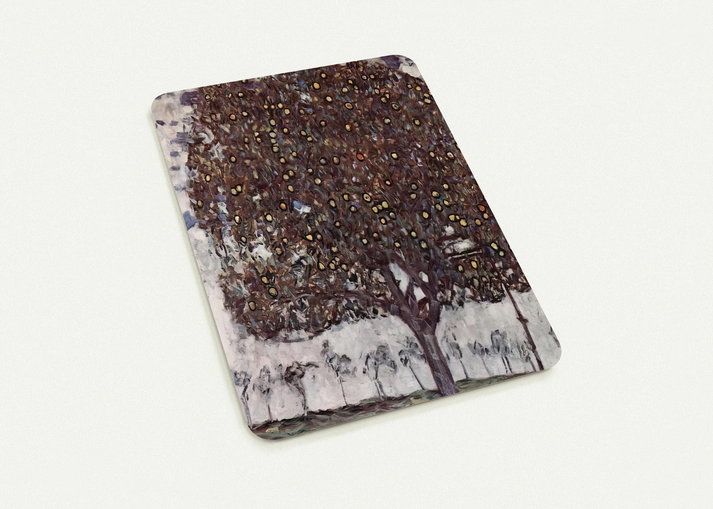
APPLE TREE II By Gustav Klimt Pack of 10 Post Cards | Gustav Klimt Post Cards | A6 (10.5 x 14.8 cm) - 4.1 x 5.8 inches
APPLE TREE II By Gustav Klimt Pack of 10 Post Cards | Gustav Klimt Post Cards | A6 (10.5 x 14.8 cm) - 4.1 x 5.8 inches
Couldn't load pickup availability
Elevate Your Correspondence with Gustav Klimt’s Apple Tree II
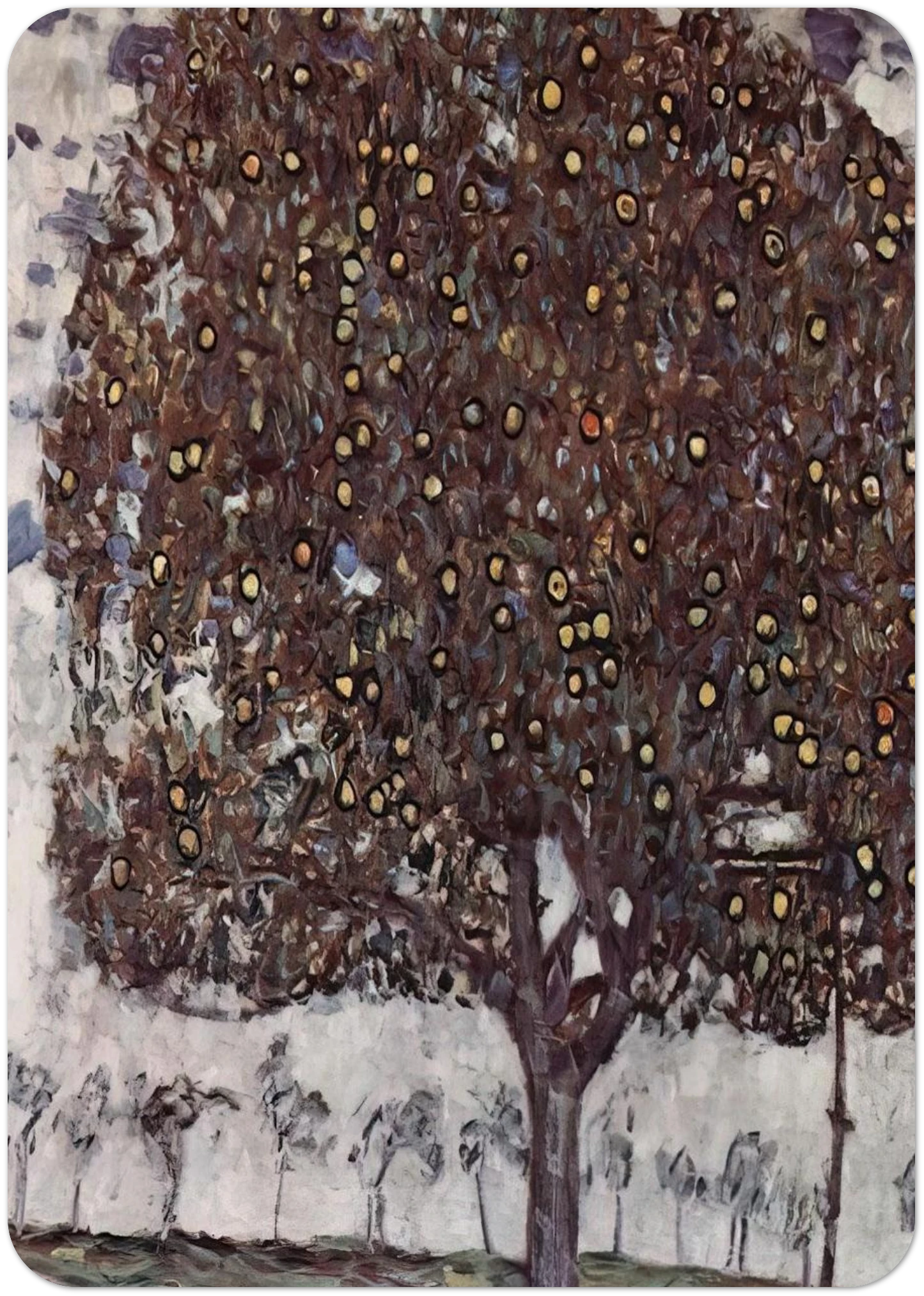
Experience the lush, ornamental beauty of the Viennese Secession with this exquisite pack of 10 postcards featuring Gustav Klimt’s Apple Tree II (Apfelbaum II). Painted in 1916, this masterpiece represents a departure from Klimt's opulent 'Golden Phase' toward a more organic, decorative exploration of nature. Utilizing a mosaic-like application of color, Klimt transforms a simple orchard scene into a vibrant tapestry of greens, yellows, and dabs of floral brilliance.
At RedKalion, we believe fine art should be felt as much as seen. These A6 postcards are crafted for the discerning collector who values both historical significance and tactile quality. Whether used for thoughtful correspondence or as small-scale framed art, these pieces serve as a testament to the enduring legacy of one of history’s most visionary painters.
Museum-Quality Technical Specifications
- 12-Color Fine Art Printing: We utilize advanced 12-color technology to capture the nuanced shifts in Klimt’s palette, offering depth and color vibrancy that standard 4-color printing cannot replicate.
- Archival Paper: Printed on 200 gsm (80 lb) FSC-certified paper, providing a substantial, premium feel with a thickness of 0.26 mm (10.3 mils).
- Smooth Matte Finish: The non-reflective surface ensures the intricate patterns of the apple tree are visible from every angle without glare.
- Eco-Conscious Production: Each set is printed on demand using sustainably sourced materials, minimizing waste while maintaining the highest standards of craftsmanship.
Invite the serenity of Klimt’s orchard into your home or share it with others. This collection is more than mere stationery; it is an archival-grade reproduction of a moment in art history, designed to endure and inspire.


Discover Unlimited Art Possibilities
At RedKalion, you can find virtually any artwork from any artist, available in a wide range of sizes to perfectly match your space.
If you didn’t find what you’re looking for, contact us at support@redkalion.com . We will source any artwork and produce it in any size and format you need, including art prints, posters, canvas, framed pieces, framed canvas, and more.
For dedicated art enthusiasts, we also offer handcrafted replicas of any artwork, carefully painted by highly skilled artists using traditional techniques.
For custom requests, contact us at support@redkalion.com .
What distinguishes the printing quality of these Gustav Klimt postcards?
RedKalion uses 12-color fine art printing technology, which provides superior color accuracy and depth compared to standard 4-color prints, capturing the true essence of Klimt’s palette.
Is the paper used for these postcards environmentally friendly?
Yes, all our postcards are printed on FSC-certified paper, ensuring that the materials are sourced from responsibly managed forests that provide environmental and social benefits.
Can these postcards be framed for home decor?
Absolutely. With a heavy 200 gsm weight and a smooth matte finish, these A6 prints are designed to look stunning when framed as a mini-gallery or standalone accent pieces.
How does RedKalion handle shipping and production?
We print every order on demand with no minimums, ensuring your postcards are freshly produced. We use protective packaging to ensure they arrive in pristine, museum-ready condition.
How long will the colors last on these fine art reproductions?
Our archival-grade inks and 10.3 mil thick paper are designed for longevity, resisting fading and maintaining their vibrancy for years when kept out of direct sunlight.
What is the historical significance of Apple Tree II?
Created in 1916, Apple Tree II showcases Klimt’s late-career fascination with the 'tapestry' style, where nature is rendered as a dense, flattened mosaic of color and light.
How does this work differ from Klimt’s Golden Phase?
While his Golden Phase relied on metallic leaf, Apple Tree II focuses on a Pointillist-influenced technique, using purely pigment to create a shimmering, decorative effect in nature.