RedKalion
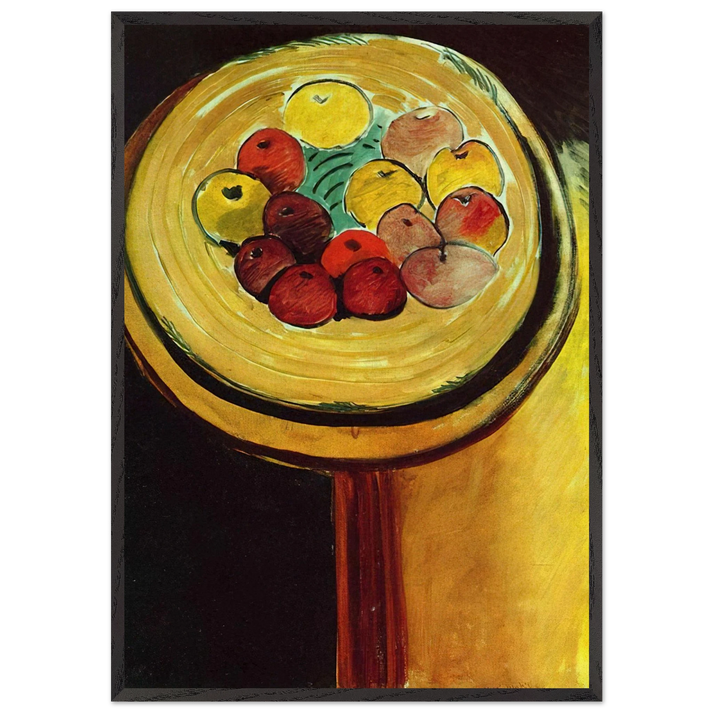
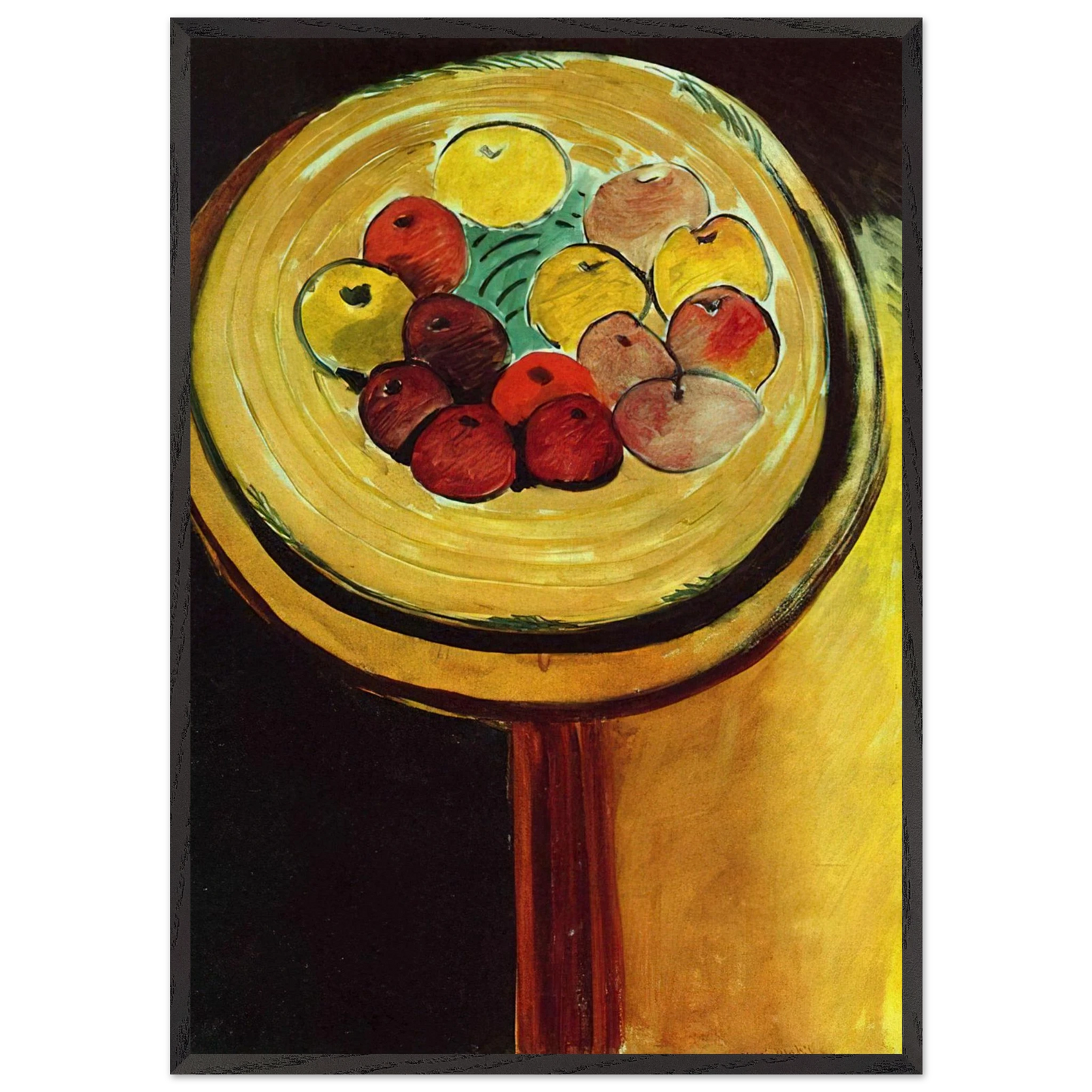
APPLES 1916 - Henri Matisse 70x100 cm / 28x40 inches Framed Art Print – Black Wooden Frame
APPLES 1916 - Henri Matisse 70x100 cm / 28x40 inches Framed Art Print – Black Wooden Frame
Couldn't load pickup availability
Apples (1916) by Henri Matisse: A Study in Modernist Form
Henri Matisse’s Apples (1916) is a masterwork that captures a pivotal transition in the artist's career. During this period, Matisse moved away from the unbridled colors of Fauvism toward a more structured, almost architectural approach to still life, influenced by the burgeoning movement of Cubism. This particular piece showcases his ability to find profound depth in simple geometry, utilizing a palette of earthy tones and vibrant reds to create a rhythmic composition that feels both grounded and ethereal.
At RedKalion, we honor this legacy by providing a museum-quality reproduction that mirrors the intensity and texture of the original work. Every fine art print is rendered on 250 gsm (110 lb) natural white paper, chosen for its archival longevity and matte, uncoated finish. This premium weight ensures the paper remains flat and resists the environmental degradation common in lesser prints, preserving Matisse’s vision for generations.
Craftsmanship Meets Sustainability
To complement this modernist icon, we house the print in a responsibly sourced black frame made from genuine oak and ash. Unlike standard gallery frames, our molding measures 20mm (0.79") in width and thickness, providing a substantial, sophisticated presence on your wall. The artwork is protected by shatterproof, transparent plexiglass, ensuring safety and clarity without the weight or fragility of traditional glass.
- Archival Quality: Printed on FSC-certified, acid-free paper to prevent yellowing.
- Premium Framing: Solid wood frame with a elegant black finish for a timeless aesthetic.
- Ready to Hang: Includes a high-quality hanging kit for immediate installation.
- Sustainable Luxury: Materials are ethically sourced, reflecting RedKalion’s commitment to the environment.
Discover Unlimited Art Possibilities
At RedKalion, you can find virtually any artwork from any artist, available in a wide range of sizes to perfectly match your space.
If you didn’t find what you’re looking for, contact us at support@redkalion.com . We will source any artwork and produce it in any size and format you need, including art prints, posters, canvas, framed pieces, framed canvas, and more.
For dedicated art enthusiasts, we also offer handcrafted replicas of any artwork, carefully painted by highly skilled artists using traditional techniques.
For custom requests, contact us at support@redkalion.com .
What makes this Henri Matisse Apples print museum-quality?
We use 250 gsm (110 lb) archival, natural white paper with a matte finish. This acid-free material ensures the colors remain vibrant and the paper does not yellow over time, meeting the rigorous standards of art galleries and collectors.
What are the specifications of the black wooden frame?
Our frames are crafted from responsibly sourced oak and ash, measuring 20mm (0.79") thick and wide. This profile is sturdier than standard 14mm frames, offering a premium, high-end gallery aesthetic for your space.
Is the artwork protected against breakage during shipping or use?
Yes, we use high-quality shatterproof plexiglass. This provides the same crystal-clear view as traditional glass but is significantly more durable and safer for residential or commercial environments.
Are the materials used in this print sustainable?
Absolutely. We prioritize the environment by using FSC-certified paper and wood or equivalent sustainable certifications, ensuring that your art piece supports responsible forestry practices.
Does the framed print arrive ready to hang?
Yes, every framed Henri Matisse print includes a dedicated hanging kit. The artwork is pre-assembled in the frame, allowing you to elevate your interior design the moment it arrives.
What is the historical significance of Matisse’s 1916 period?
1916 was a year of 'austere' experimentation for Matisse. Influenced by the onset of WWI and Cubism, he simplified forms and focused on structural balance, marking a shift toward his mature modernist style.
Why did Matisse focus on apples in this composition?
Matisse often used apples as a tribute to Paul Cézanne. By focusing on simple fruit, he could experiment with spatial relationships, light, and the tension between three-dimensional objects and the two-dimensional canvas.