

RedKalion
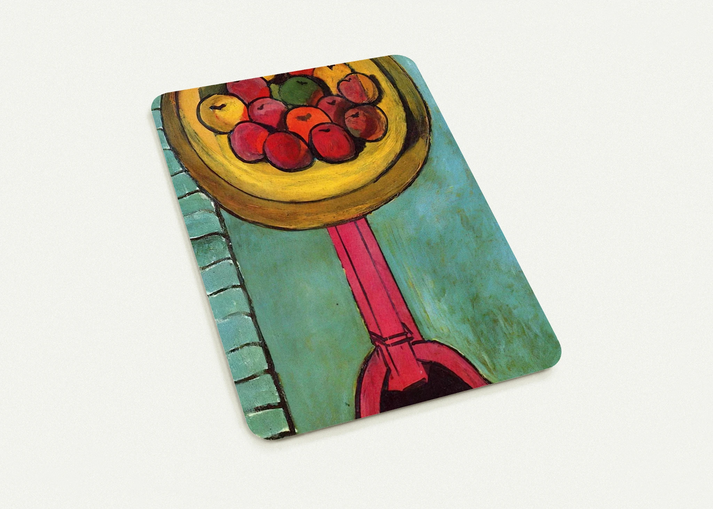
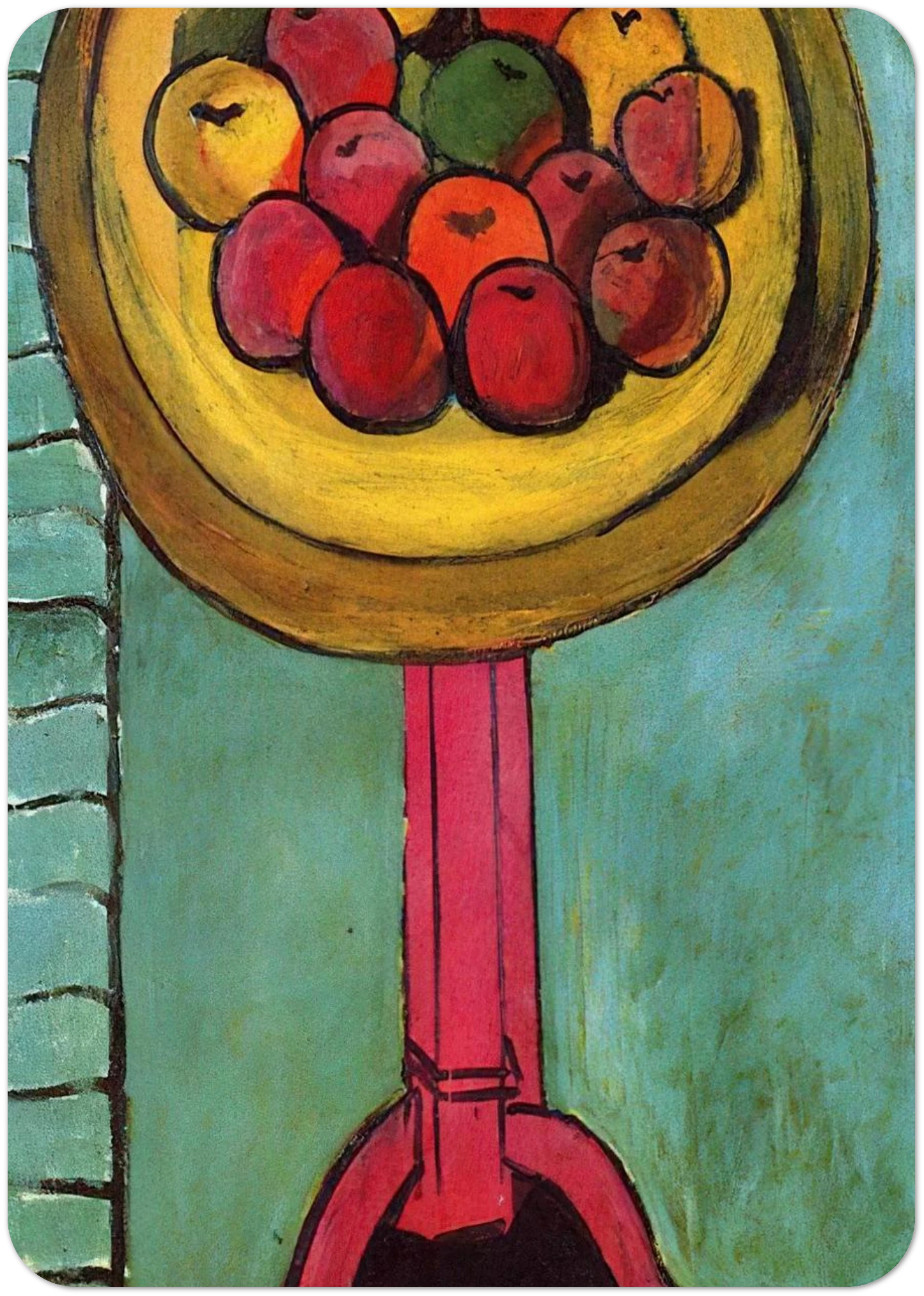
APPLES ON A TABLE GREEN BACKGROUND 1916 By Henri Matisse Pack of 10 Post Cards | Henri Matisse Post Cards | A6 (10.5 x 14.8 cm) - 4.1 x 5.8 inches
APPLES ON A TABLE GREEN BACKGROUND 1916 By Henri Matisse Pack of 10 Post Cards | Henri Matisse Post Cards | A6 (10.5 x 14.8 cm) - 4.1 x 5.8 inches
Couldn't load pickup availability
Elevate Your Collection with Henri Matisse’s 'Apples on a Table Green Background 1916'
Experience the bold, rhythmic vitality of Henri Matisse’s Apples on a Table Green Background 1916 through this exquisite pack of 10 postcards. Created during a significant period of artistic exploration, this piece demonstrates Matisse's mastery of color and form, where the saturated green background acts as a structural force rather than a mere backdrop. At RedKalion, we curate these museum-quality reproductions to allow art lovers to share and display masterpieces with uncompromising fidelity.
Every postcard in this set is a testament to premium craftsmanship. Utilizing advanced 12-color fine art printing technology, we achieve a spectrum of color vibrancy and depth that standard 4-color inkjet processes simply cannot replicate. The result is a stunningly accurate representation of Matisse's original work, capturing the nuanced textures and the iconic Fauvist-inspired palette that defines his legacy.
Museum-Grade Quality and Sustainability
- Exquisite Matte Finish: The smooth matte finish ensures a sophisticated, glare-free display, making these postcards perfect for both correspondence and small-scale framing.
- Substantial Archival Paper: Printed on 200 gsm (80 lb) paper with a thickness of 0.26 mm, these cards provide a premium, durable feel that honors the tactile nature of fine art.
- Eco-Conscious Production: We utilize FSC-certified paper, ensuring that your appreciation for art aligns with environmental responsibility.
- No Minimums: Each pack is printed on demand with meticulous attention to detail, ensuring you receive an archival masterpiece that endures.
Whether you are sending a thoughtful note or curating a personal gallery wall, these Henri Matisse postcards offer an elegant way to bring the sophistication of early 20th-century modernism into the present day.


Discover Unlimited Art Possibilities
At RedKalion, you can find virtually any artwork from any artist, available in a wide range of sizes to perfectly match your space.
If you didn’t find what you’re looking for, contact us at support@redkalion.com . We will source any artwork and produce it in any size and format you need, including art prints, posters, canvas, framed pieces, framed canvas, and more.
For dedicated art enthusiasts, we also offer handcrafted replicas of any artwork, carefully painted by highly skilled artists using traditional techniques.
For custom requests, contact us at support@redkalion.com .
What makes the printing quality of these Matisse postcards unique?
We use 12-color fine art printing technology, which provides superior color accuracy and depth compared to standard 4-color prints, ensuring a museum-quality reproduction.
Tell me about the paper quality used for these art prints.
Each postcard is printed on 200 gsm (80 lb) FSC-certified paper with a smooth matte finish, offering a thickness of 0.26 mm for a premium feel.
What are the shipping logistics for these postcards?
All orders are printed on demand to ensure the highest quality control, with no minimum order requirements and efficient, secure shipping for every pack.
How do I ensure the longevity of these prints?
Our archival-grade materials and acid-free FSC paper are designed to resist fading, ensuring the vibrant greens of Matisse’s work remain vivid for years.
What are the dimensions of each postcard?
Each postcard in this pack of 10 is A6 size, measuring 10.5 x 14.8 cm (4.1 x 5.8 inches), ideal for mailing or small frames.
What is the historical significance of Apples on a Table Green Background 1916?
This 1916 work represents Matisse’s transition toward more simplified, geometric forms and bold color fields during the challenging years of World War I.
Why is the green background considered so important in this composition?
In this piece, Matisse uses the intense green as a spatial element to flatten the perspective, a hallmark of his innovative approach to modern still life.