RedKalion
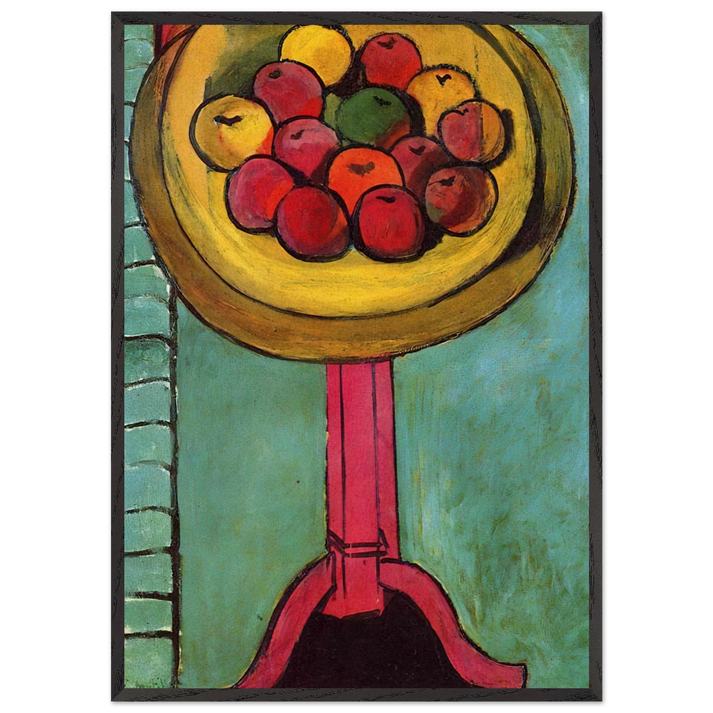
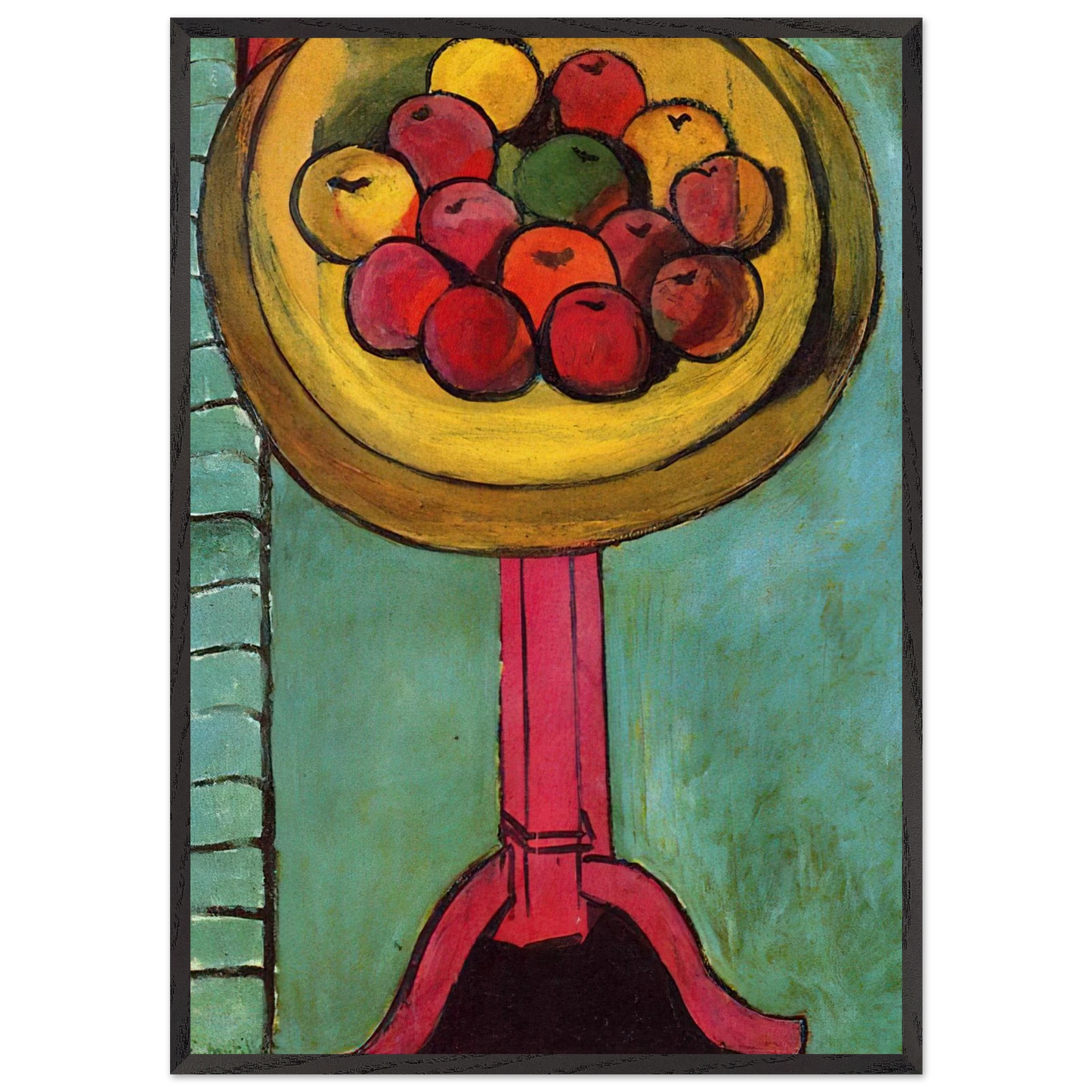
APPLES ON A TABLE GREEN BACKGROUND 1916 - Henri Matisse 70x100 cm / 28x40 inches Framed Art Print – Black Wooden Frame
APPLES ON A TABLE GREEN BACKGROUND 1916 - Henri Matisse 70x100 cm / 28x40 inches Framed Art Print – Black Wooden Frame
Couldn't load pickup availability
The Vibrant Modernism of Henri Matisse: Apples on a Table (1916)
In 1916, Henri Matisse was navigating a profound period of artistic evolution. Moving away from the unbridled spontaneity of his Fauvist years, he began to embrace a more structured, almost architectural approach to composition. Apples on a Table, Green Background is a definitive example of this transition, where the artist utilizes a bold, monochromatic field of green to force the viewer's focus onto the rhythmic arrangement of the fruit. This piece is not merely a still life; it is an exploration of space, volume, and the emotional resonance of color.
Museum-Quality Craftsmanship by RedKalion
At RedKalion, we honor Matisse’s legacy by producing archival museum-quality reproductions that capture the nuances of his brushwork. This fine art print is rendered on 250 gsm (110 lb) natural white paper, featuring a matte, uncoated finish that eliminates glare and emphasizes the rich saturation of the green background. Our commitment to excellence ensures that this masterpiece remains a centerpiece in your collection for decades to come.
Sophisticated Framing and Sustainable Materials
Your Henri Matisse framed art print arrives ready to elevate your interior. Housed in a premium 20mm (0.79") thick frame crafted from responsibly sourced black ash wood, the piece offers a more substantial and luxurious presence than standard 14mm frames. To ensure longevity and safety, each print is protected by high-grade shatterproof plexiglass and includes a pre-installed hanging kit.
- Paper Weight: 250 gsm (110 lb) archival-grade for lasting durability.
- Frame: Sustainably sourced FSC-certified oak and ash wood.
- Finish: Matte, natural white paper for a true-to-original aesthetic.
- Protection: Shatterproof plexiglass and archival ink technology.
Transform your space with a work of art that embodies the spirit of early 20th-century modernism, curated and crafted by the experts at RedKalion.
Discover Unlimited Art Possibilities
At RedKalion, you can find virtually any artwork from any artist, available in a wide range of sizes to perfectly match your space.
If you didn’t find what you’re looking for, contact us at support@redkalion.com . We will source any artwork and produce it in any size and format you need, including art prints, posters, canvas, framed pieces, framed canvas, and more.
For dedicated art enthusiasts, we also offer handcrafted replicas of any artwork, carefully painted by highly skilled artists using traditional techniques.
For custom requests, contact us at support@redkalion.com .
What defines the quality of this Henri Matisse print?
RedKalion uses 250 gsm archival museum-quality paper and advanced printing techniques to ensure color accuracy and longevity. Our prints are designed to resist fading, maintaining the vibrancy of Matisse's green background for years.
Is the frame included with Apples on a Table?
Yes, this version is a 70x100 cm framed art print. It features a 20mm thick, responsibly sourced black wooden frame that provides a premium, substantial look compared to standard frames.
How is the artwork protected during shipping and display?
Each print is protected by shatterproof plexiglass, which offers clarity while preventing damage. We ship our framed prints in robust, secure packaging to ensure they arrive in gallery-perfect condition.
Is the paper used for this reproduction sustainable?
Absolutely. We use FSC-certified materials or equivalent sustainable sources for both our natural white paper and our oak and ash wood frames, supporting global forest conservation.
How do I hang this 70x100 cm framed print?
Your framed artwork comes with a pre-installed hanging kit, making it ready to hang immediately. The 20mm thick frame ensures it sits securely and elegantly against your wall.
What was Matisse exploring in his 1916 still life works?
During 1916, Matisse experimented with a more geometric and somber style influenced by the war and Cubism. He focused on simplifying forms and using bold, flat planes of color to create depth.
Why is the green background significant in this composition?
The green background serves as a vibrating field that enhances the organic reds and yellows of the apples. It showcases Matisse's mastery of color theory, using contrast to create visual energy and balance.