RedKalion
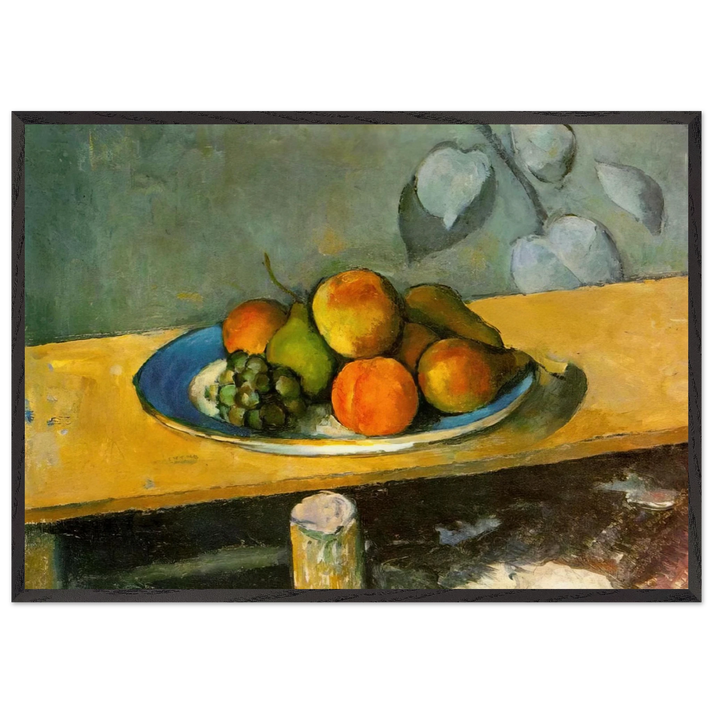
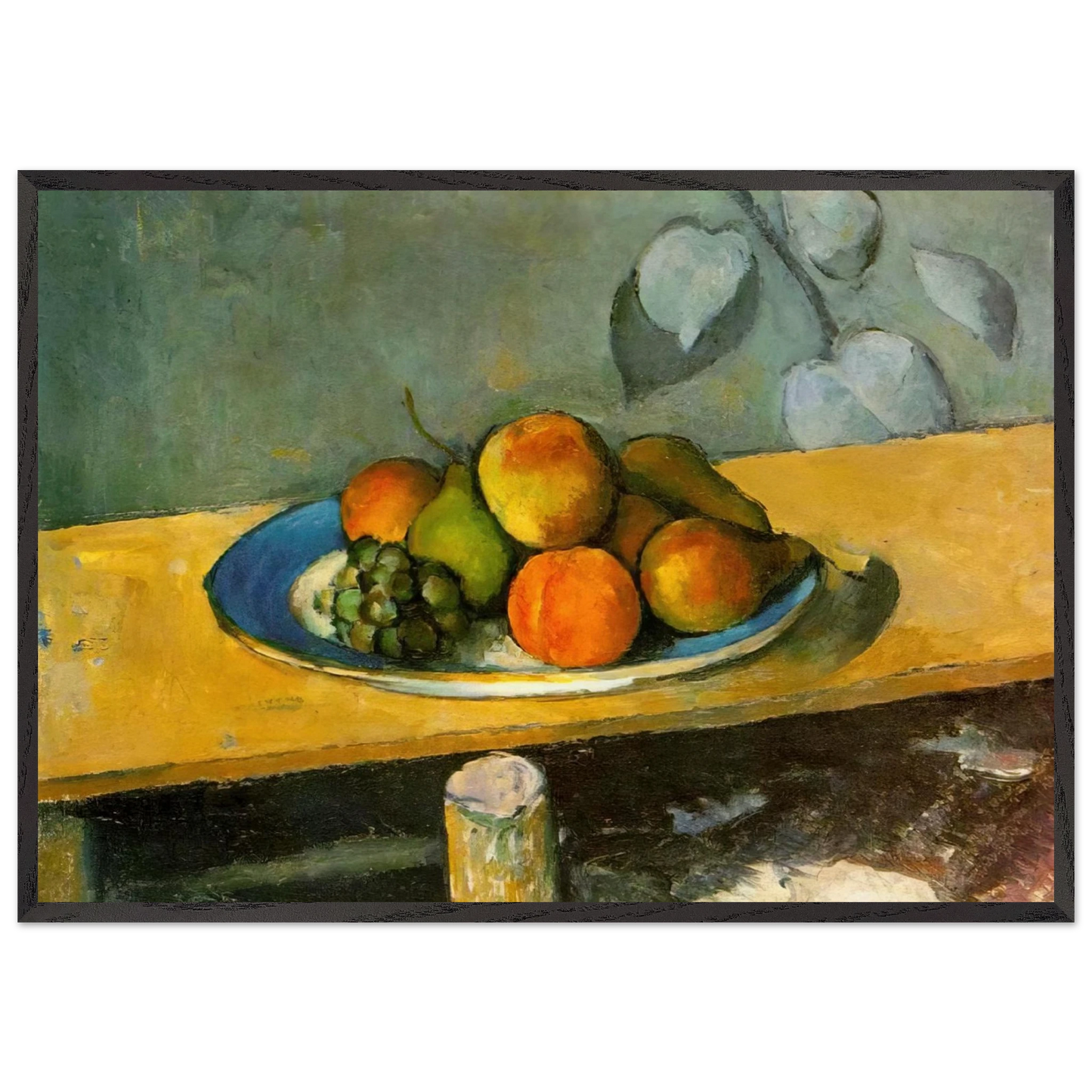
Apples Pears and Grapes - Paul Cezanne 70x100 cm / 28x40 inches Framed Art Print – Black Wooden Frame
Apples Pears and Grapes - Paul Cezanne 70x100 cm / 28x40 inches Framed Art Print – Black Wooden Frame
Couldn't load pickup availability
Apples, Pears, and Grapes: A Masterclass in Post-Impressionist Form by Paul Cézanne
Elevate your interior with a museum-quality reproduction of Paul Cézanne's 'Apples, Pears, and Grapes'. This iconic still life represents a pivotal moment in art history, where Cézanne transitioned away from the fleeting light of Impressionism toward the structured, geometric foundations that would eventually inspire Cubism. In this 70x100 cm (28x40 inches) framed art print, the artist’s deliberate brushwork and rhythmic composition are captured with breathtaking clarity.
The RedKalion Archival Standard
At RedKalion, we believe that world-class art deserves world-class materials. This fine art print is produced on 250 gsm (110 lb) natural white, archival museum-quality paper. The matte, uncoated finish ensures that the deep ochres and vibrant greens of Cézanne's palette are presented without glare, allowing the complex texture of his 'constructive strokes' to take center stage. Each piece is framed in a robust 20mm (0.79") wide frame made from responsibly sourced black ash wood, providing a sophisticated, contemporary border that is significantly more substantial than standard commercial frames.
Curated Expertise for the Discerning Collector
Historically, Cézanne sought to "treat nature by means of the cylinder, the sphere, and the cone." In Apples, Pears, and Grapes, he challenges traditional perspective, tilting the plane to emphasize the physical presence and weight of the fruit. This reproduction honors that intent by utilizing archival-grade materials that ensure the piece remains a centerpiece of your collection for generations. Protected by shatterproof plexiglass and arriving ready-to-hang, this masterpiece offers a seamless marriage of 19th-century genius and 21st-century durability.
Discover Unlimited Art Possibilities
At RedKalion, you can find virtually any artwork from any artist, available in a wide range of sizes to perfectly match your space.
If you didn’t find what you’re looking for, contact us at support@redkalion.com . We will source any artwork and produce it in any size and format you need, including art prints, posters, canvas, framed pieces, framed canvas, and more.
For dedicated art enthusiasts, we also offer handcrafted replicas of any artwork, carefully painted by highly skilled artists using traditional techniques.
For custom requests, contact us at support@redkalion.com .
What are the exact dimensions and frame specifications for this Cézanne print?
The artwork measures 70x100 cm (28x40 inches). It is housed in a premium 20mm thick black frame made from responsibly sourced ash wood, providing a more substantial and durable profile than typical 14mm frames.
What type of paper is used for this museum-quality reproduction?
We use 250 gsm (110 lb) archival museum-quality paper. It is a natural white, uncoated matte paper that is FSC-certified, ensuring both aesthetic excellence and environmental responsibility.
How is the artwork protected and shipped?
The print is protected by shatterproof, transparent plexiglass. It arrives fully assembled and ready-to-hang with an included hanging kit, ensuring a secure and effortless installation process.
How long will the colors of this fine art print last?
Our use of archival-grade materials and 250 gsm paper prevents yellowing and fading. This reproduction is designed to maintain its color integrity and structural beauty for decades under standard indoor lighting.
Is the framing material sustainably sourced?
Yes, RedKalion uses only responsibly sourced oak and ash wood for our frames. All paper used is FSC-certified or equivalent, supporting global forest conservation efforts.
What is the historical significance of 'Apples, Pears, and Grapes'?
This piece highlights Cézanne's move toward structuralism. By focusing on the geometric shapes of the fruit, he bridged the gap between Impressionism and the 20th-century avant-garde movements like Cubism.
Why did Cézanne frequently choose fruit as his primary subject matter?
Cézanne preferred still life because it allowed him to study form and color over long periods without the subject changing. His meticulous technique required subjects that would not move or wither quickly.