RedKalion
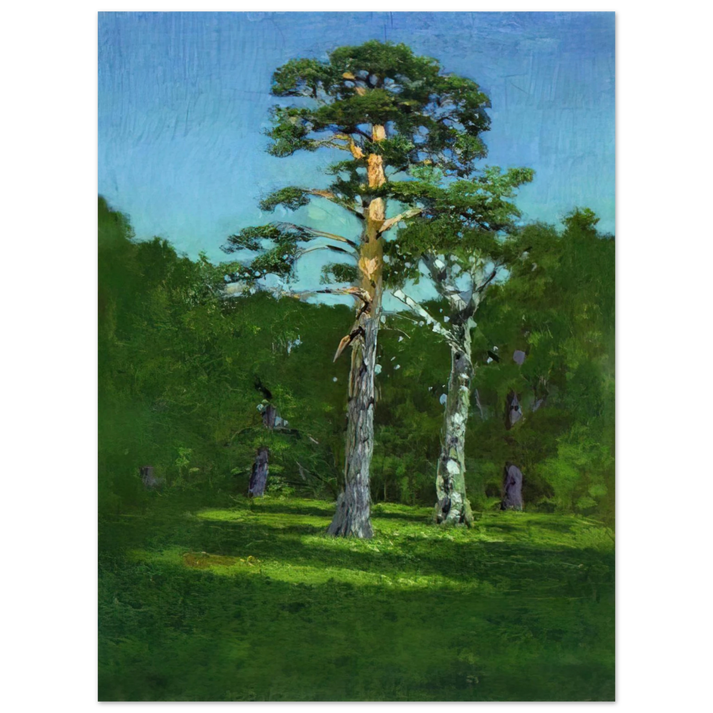
Arkhyp Kuindzhi - Pine 75x100 cm / 30x40inches Fine Art Poster
Arkhyp Kuindzhi - Pine 75x100 cm / 30x40inches Fine Art Poster
Couldn't load pickup availability
Elevate Your Space with Arkhyp Kuindzhi’s 'Pine' Fine Art Poster
Experience the profound tranquility and masterfully rendered light of Arkhyp Kuindzhi’s 'Pine'. As a central figure in 19th-century landscape painting, Kuindzhi is celebrated for his unique brand of Luminism—a style that captures the ethereal quality of light with almost mystical intensity. This 75x100 cm (30x40 inches) museum-quality reproduction allows you to bring that same atmospheric depth into your own interior, creating a focal point of contemplative beauty.
The Mastery of Light and Silence
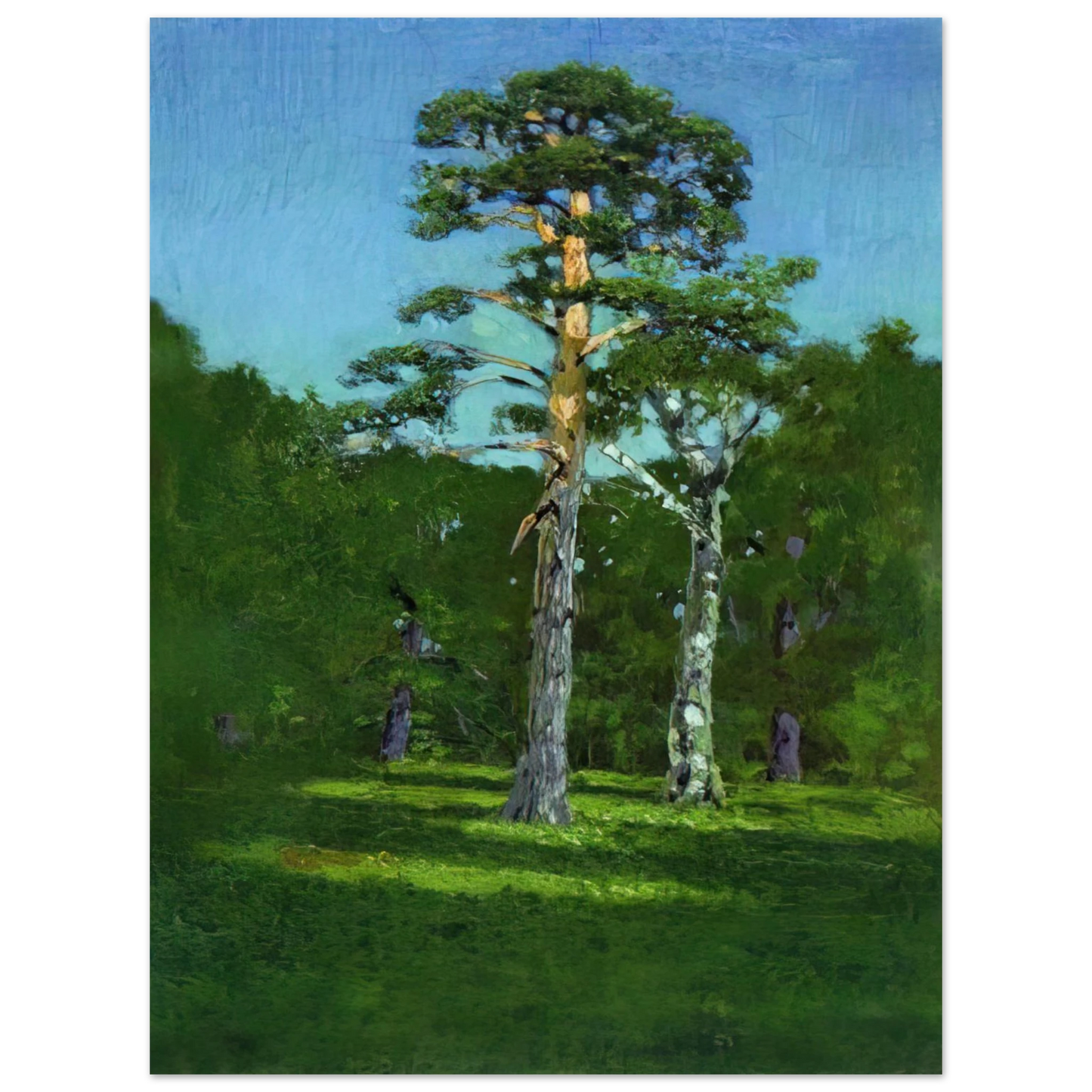
In 'Pine', Kuindzhi utilizes his signature dramatic lighting and simplified forms to evoke a sense of monumental stillness. The lone tree becomes more than a botanical subject; it is a study in resilience and the sublime power of nature. This fine art print captures the subtle gradations of the artist's palette, from the deep shadows of the forest floor to the radiant, soft glow that filters through the needles, a testament to his innovative color-layering techniques.
Archival Excellence by RedKalion
At RedKalion, we curate only the finest museum-quality reproductions. Our commitment to quality ensures that every detail of Kuindzhi's brushwork is preserved through superior printing standards:
- Master's Edition Paper: Printed on 250 gsm (110 lb) archival paper for a substantial, premium feel.
- Luxurious Finish: An uncoated, matte, natural white (off-white) surface that eliminates glare and enhances color depth.
- Archival Longevity: Acid-free (pH above 7) composition prevents yellowing, ensuring your investment remains vibrant for generations.
- Substantial Texture: With a thickness of 0.29 mm (11.4 mils), this print offers a tactile presence suitable for high-end framing.
- Sustainable Ethics: We utilize FSC-certified paper, aligning artistic beauty with environmental responsibility.
By choosing this archival-grade masterpiece, you are not simply purchasing a poster; you are acquiring a curated piece of art history, printed on demand with meticulous attention to detail. Transform your environment with the enduring legacy of Arkhyp Kuindzhi.
Discover Unlimited Art Possibilities
At RedKalion, you can find virtually any artwork from any artist, available in a wide range of sizes to perfectly match your space.
If you didn’t find what you’re looking for, contact us at support@redkalion.com . We will source any artwork and produce it in any size and format you need, including art prints, posters, canvas, framed pieces, framed canvas, and more.
For dedicated art enthusiasts, we also offer handcrafted replicas of any artwork, carefully painted by highly skilled artists using traditional techniques.
For custom requests, contact us at support@redkalion.com .
What are the specific paper qualities of this Kuindzhi print?
This print uses our Master's Edition archival paper. It is a 250 gsm (110 lb) matte, uncoated, natural white paper with a thickness of 0.29 mm, designed to provide a luxurious, glare-free texture for fine art.
Will this fine art poster yellow or fade over time?
No. Our prints are made on acid-free paper with a pH above 7. This archival-grade material prevents yellowing and degradation, ensuring the 'Pine' reproduction retains its original brilliance for decades.
Is the paper used for this reproduction environmentally friendly?
Yes, RedKalion uses FSC-certified paper or equivalent certifications depending on regional availability. This ensures that your museum-quality print supports responsible forest management and sustainability.
How is the fulfillment and shipping handled for RedKalion prints?
We operate with no minimum orders, printing each piece on demand. Your Arkhyp Kuindzhi poster is carefully produced and shipped to ensure it arrives in pristine condition, ready for framing.
What is the finish and feel of the print surface?
The print features a matte, uncoated finish. This provides a sophisticated, non-reflective surface that emphasizes the rich pigments and historical detail of the original artwork without the distraction of a glossy sheen.
What was Arkhyp Kuindzhi's significance in the Luminist movement?
Kuindzhi was a master of capturing light's emotional power. His technique involved heavy layering and color experimentation, often creating a glowing effect that made his landscapes appear almost three-dimensional and spiritually resonant.
What does the 'Pine' motif represent in 19th-century landscape art?
In the context of Kuindzhi’s work, the pine tree often symbolizes solitude, endurance, and the quiet majesty of the northern landscape, reflecting the Romantic era's fascination with the sublime power of the natural world.