RedKalion
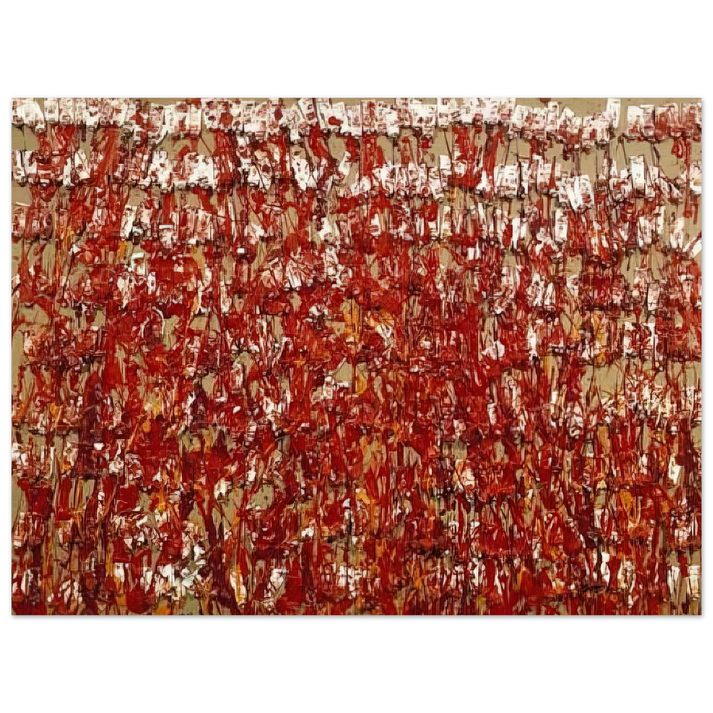
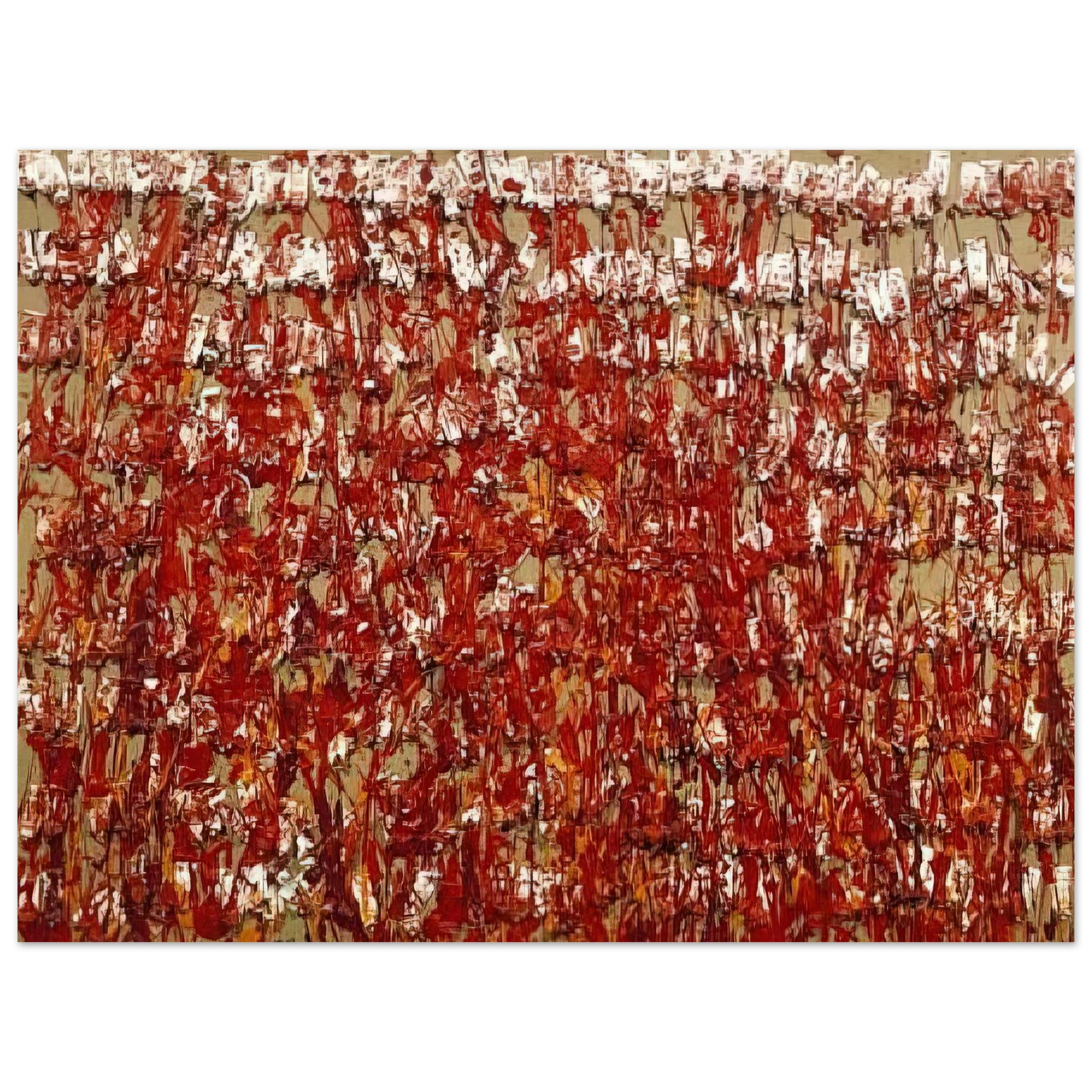
Arman - Red Tubes of Paint - 1980 75x100 cm / 30x40inches Fine Art Poster
Arman - Red Tubes of Paint - 1980 75x100 cm / 30x40inches Fine Art Poster
Couldn't load pickup availability
Elevate Your Space with Arman’s Avant-Garde Vision
Experience the rhythmic intensity of Arman’s "Red Tubes of Paint" (1980), a definitive masterpiece of the Nouveau Réalisme movement. This 75x100 cm (30x40 inches) fine art poster captures the essence of Armand Fernandez’s iconic 'Accumulations'—a series where mass-produced objects are transformed into profound meditations on consumerism and the tools of artistic creation. The vibrant reds and industrial repetition offer a striking visual dialogue that remains as relevant today as it was in the late 20th century.
Museum-Quality Craftsmanship by RedKalion
At RedKalion, we curate more than just images; we provide archival-grade experiences. This reproduction is meticulously printed on our Master’s Edition archival paper. With a robust weight of 250 gsm (110 lb) and a thickness of 0.29 mm, this paper offers a premium, substantial feel that mirrors the gravity of the original work. The matte, uncoated finish and natural white (off-white) hue provide a luxurious texture, ensuring that the intense red hues are rendered with depth and sophisticated clarity without distracting glare.
A Legacy of Longevity
True art is meant to endure. Our prints utilize acid-free (pH above 7) paper, a critical standard for preventing yellowing or degradation over decades. By choosing this FSC-certified masterpiece, you are investing in a sustainable piece of art history. Every print is fulfilled on demand, ensuring a fresh, pristine condition upon arrival at your doorstep, ready to serve as a focal point in any modern interior.
- Artist: Arman (Armand Fernandez)
- Title: Red Tubes of Paint (1980)
- Dimensions: 75x100 cm / 30x40 inches
- Paper: 250 gsm Master’s Edition Archival Paper
- Finish: Matte, Natural White
- Sustainability: FSC-certified, Acid-free
Discover Unlimited Art Possibilities
At RedKalion, you can find virtually any artwork from any artist, available in a wide range of sizes to perfectly match your space.
If you didn’t find what you’re looking for, contact us at support@redkalion.com . We will source any artwork and produce it in any size and format you need, including art prints, posters, canvas, framed pieces, framed canvas, and more.
For dedicated art enthusiasts, we also offer handcrafted replicas of any artwork, carefully painted by highly skilled artists using traditional techniques.
For custom requests, contact us at support@redkalion.com .
What are the archival qualities of this Arman print?
This print uses Master’s Edition archival paper with a pH above 7, making it acid-free. This ensures your Arman reproduction resists yellowing and maintains its integrity for generations.
How is the paper's texture and finish?
The print features a luxurious matte, uncoated finish on natural white paper. This 250 gsm paper provides a premium feel and prevents glare, highlighting the artwork's fine details.
Is the packaging sustainable and how is it shipped?
RedKalion uses FSC-certified paper to support responsible forestry. Each print is produced on demand and shipped in protective packaging to ensure it arrives in gallery-ready condition.
Will the colors fade over time?
Thanks to the archival-grade materials and acid-free composition, our prints are designed for longevity, ensuring the vibrant reds of Arman’s 1980 work remain vivid for decades.
Can I order a single print?
Yes, RedKalion specializes in on-demand fulfillment with no minimum order requirements, allowing you to acquire a single museum-quality print tailored to your collection.
What movement does Arman's 'Red Tubes of Paint' represent?
This 1980 piece is a prime example of Nouveau Réalisme, a movement Arman co-founded, which sought to bring art and real life closer together through everyday objects.
Why did Arman choose to use accumulations of paint tubes?
Arman’s 'Accumulations' explore the beauty found in mass-production. By repeating the paint tubes, he emphasizes the transition from a functional tool to a rhythmic, aesthetic form.