RedKalion
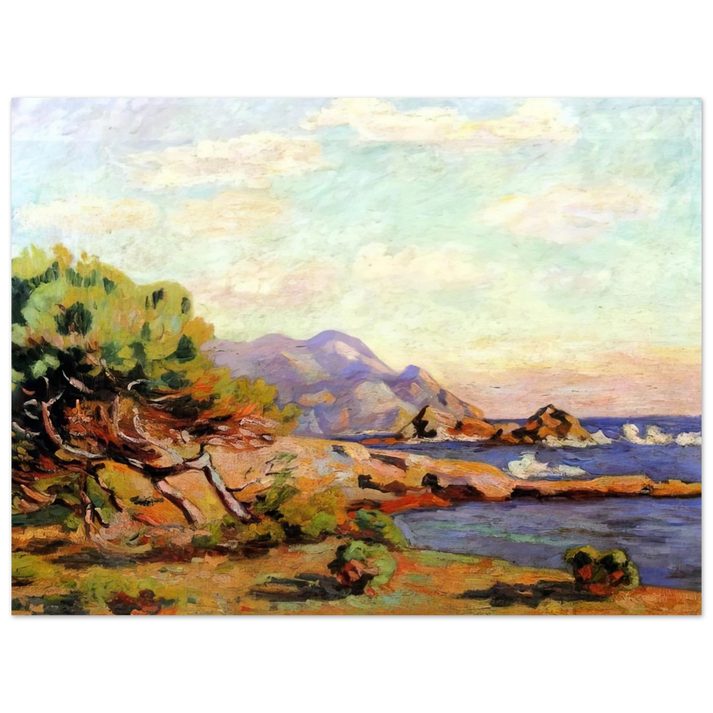
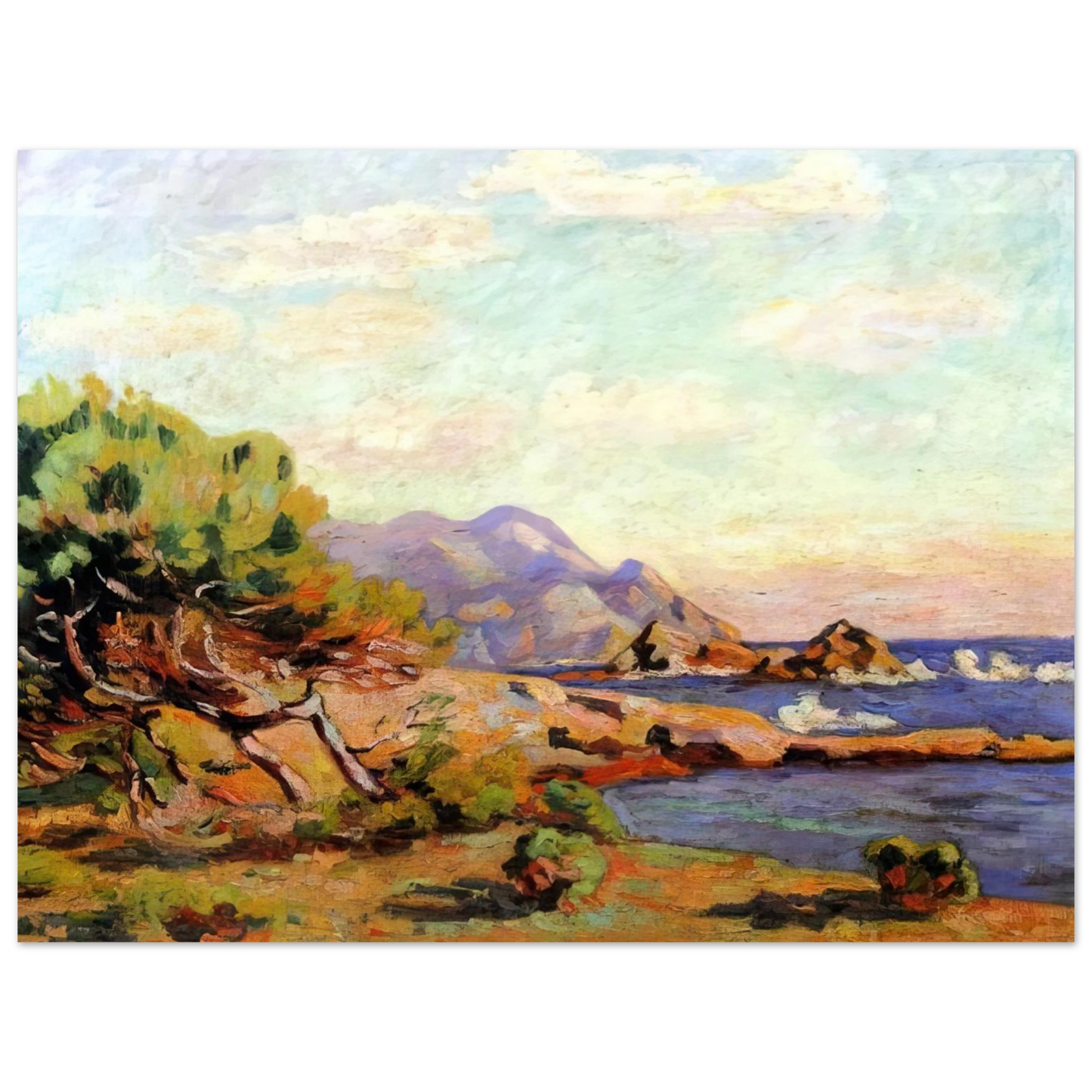
Armand Guillaumin - La Pointe du Lou Gaou - 1911 75x100 cm / 30x40inches Fine Art Poster
Armand Guillaumin - La Pointe du Lou Gaou - 1911 75x100 cm / 30x40inches Fine Art Poster
Couldn't load pickup availability
Elevate Your Space with Armand Guillaumin’s Masterpiece
Immerse yourself in the vibrant, sun-drenched Mediterranean with La Pointe du Lou Gaou (1911) by Armand Guillaumin. As a founding member of the Impressionist movement and a precursor to Fauvism, Guillaumin’s late-career works are celebrated for their intense color palettes and emotional resonance. This specific composition captures the rugged, craggy coastline of the Var region in France, where the artist masterfully translated the interplay of light and shadow into a symphony of violets, ochres, and deep sea blues.
Museum-Quality Craftsmanship by RedKalion
At RedKalion, we curate fine art prints that honor the integrity of the original canvas. This museum-quality reproduction is rendered on our Master's Edition archival paper, chosen for its sophisticated natural white (off-white) tone. The matte, uncoated finish ensures that the depth of Guillaumin’s brushwork is visible from every angle without the distraction of glare, providing a luxurious, tactile experience.
Technical Excellence and Longevity
This archival-grade masterpiece is engineered to endure for generations. Our prints utilize heavy-weight 250 gsm (110 lb) paper with a thickness of 0.29 mm (11.4 mils), offering a substantial feel that reflects its premium status. Because we use acid-free paper (pH above 7), the vibrancy of the 1911 palette is protected against yellowing and degradation, ensuring your investment remains as striking as the day it was printed.
- FSC-certified paper for ethical, sustainable art collecting.
- Sophisticated matte finish for a glare-free, gallery-style display.
- Printed and shipped on demand with no minimum order requirements.
- Expertly curated to meet the highest standards of art historians and collectors.
Discover Unlimited Art Possibilities
At RedKalion, you can find virtually any artwork from any artist, available in a wide range of sizes to perfectly match your space.
If you didn’t find what you’re looking for, contact us at support@redkalion.com . We will source any artwork and produce it in any size and format you need, including art prints, posters, canvas, framed pieces, framed canvas, and more.
For dedicated art enthusiasts, we also offer handcrafted replicas of any artwork, carefully painted by highly skilled artists using traditional techniques.
For custom requests, contact us at support@redkalion.com .
What defines the quality of this Armand Guillaumin print?
This is a Master's Edition archival reproduction. We use premium 250 gsm (110 lb) paper with a thickness of 0.29 mm, ensuring a museum-quality feel. The natural white, matte finish provides a luxurious texture that highlights Guillaumin’s vibrant 1911 color palette perfectly.
How is the color accuracy maintained in this reproduction?
RedKalion uses advanced printing technologies and archival-grade inks to match the chromatic intensity of Guillaumin’s work. The uncoated, acid-free paper ensures that the deep violets and warm ochres of La Pointe du Lou Gaou remain true to the original artist’s vision.
Is the paper used for this print sustainable?
Yes, we prioritize environmental responsibility. This fine art poster is printed on FSC-certified paper, ensuring it comes from responsibly managed forests. You can elevate your home decor while supporting sustainable forestry practices and high-quality artistic craftsmanship.
How will my fine art poster be shipped?
To ensure maximum quality control and sustainability, each print is produced and shipped on demand. There are no minimum orders, and every piece is packaged securely to protect the 0.29 mm thick archival paper during its journey to your collection.
Will the print yellow or fade over time?
No. Our Master's Edition paper is strictly acid-free with a pH value above 7. This archival standard prevents the paper from yellowing or becoming brittle, ensuring your museum-quality reproduction maintains its integrity and brilliance for many years.
What is the significance of the location in La Pointe du Lou Gaou?
Located in the Var region of Southern France, this site provided Guillaumin with the rugged terrain and brilliant light needed to transition from Impressionism toward the bold, expressive colors of Fauvism, a hallmark of his late-career 1911 period.
Why did Guillaumin choose such a vibrant palette in 1911?
By 1911, Guillaumin was heavily influenced by the younger Fauve painters. He used heightened color—non-naturalistic purples and oranges—to communicate the emotional energy of the Mediterranean landscape rather than just a literal visual representation.