RedKalion
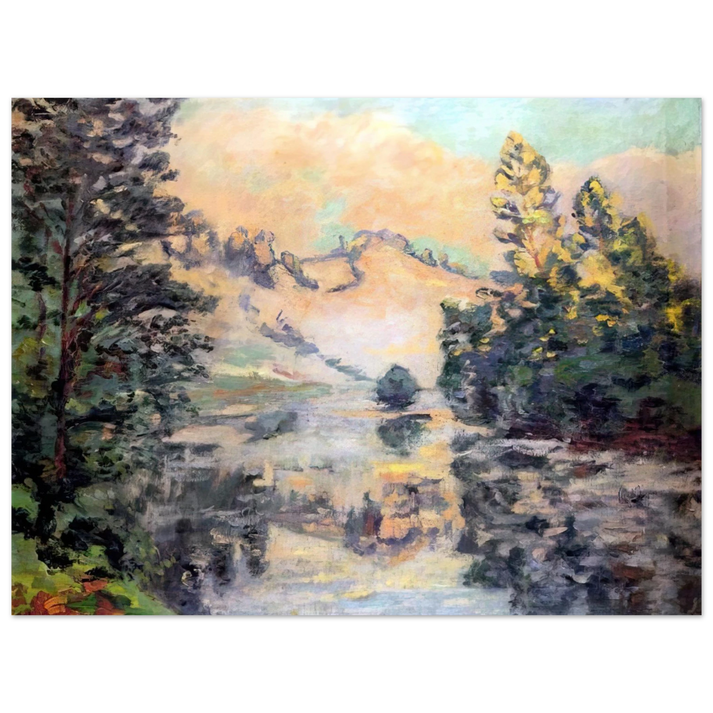
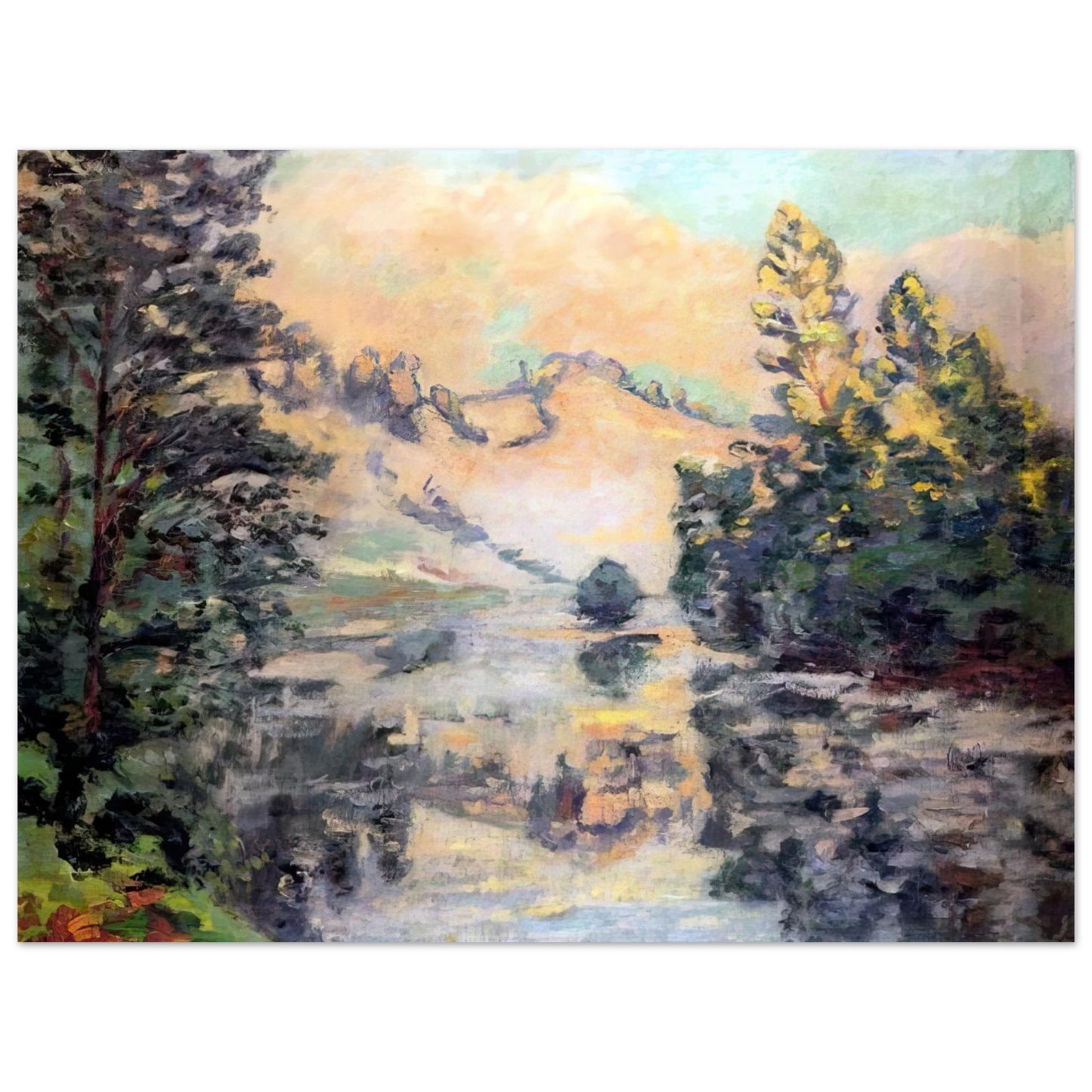
Armand Guillaumin - Landscape of Creuse - 1897 75x100 cm / 30x40inches Fine Art Poster
Armand Guillaumin - Landscape of Creuse - 1897 75x100 cm / 30x40inches Fine Art Poster
Couldn't load pickup availability
The Vibrant Serenity of Armand Guillaumin’s Landscape of Creuse (1897)
Experience the raw, expressive beauty of the French countryside with this museum-quality reproduction of Armand Guillaumin’s 1897 masterpiece, Landscape of Creuse. A central figure in the Impressionist circle alongside Pissarro and Monet, Guillaumin found his ultimate inspiration in the rugged valleys of the Creuse region. This specific work captures the transitional period of his career where his palette intensified, utilizing bold purples and deep ochres that would later influence the Fauvist movement.
Archival Quality for the Discerning Collector
At RedKalion, we believe that world-class art deserves world-class materials. This fine art print is produced on our Master's Edition archival paper, designed to preserve the nuance of every brushstroke for generations. The natural white (off-white) tone of the paper provides a sophisticated backdrop that enhances the richness of Guillaumin’s color theory without the glare of modern bleached papers.
- Museum-Grade Substrate: 250 gsm (110 lb) thickness for a substantial, premium feel.
- Sophisticated Finish: A matte, uncoated texture that invites the eye and eliminates reflections.
- Archival Longevity: Acid-free paper (pH above 7) ensures your investment will not yellow or degrade over time.
- Sustainable Excellence: Printed on FSC-certified paper, reflecting a commitment to both art and the environment.
Whether you are looking to elevate a contemporary living space or add historical depth to a private study, this 75x100 cm (30x40 inches) print serves as a window into the late 19th-century avant-garde. RedKalion ensures each piece is printed on demand with meticulous attention to detail, delivering an archival masterpiece that endures.
Discover Unlimited Art Possibilities
At RedKalion, you can find virtually any artwork from any artist, available in a wide range of sizes to perfectly match your space.
If you didn’t find what you’re looking for, contact us at support@redkalion.com . We will source any artwork and produce it in any size and format you need, including art prints, posters, canvas, framed pieces, framed canvas, and more.
For dedicated art enthusiasts, we also offer handcrafted replicas of any artwork, carefully painted by highly skilled artists using traditional techniques.
For custom requests, contact us at support@redkalion.com .
What makes the Master's Edition paper special?
Our Master's Edition is a 250 gsm (110 lb) archival-grade paper. It features a luxurious matte, uncoated finish and a natural white tone, providing a museum-quality texture that ensures the artwork looks authentic and sophisticated under any lighting.
Will the colors of this Guillaumin print fade over time?
No. We use acid-free paper with a pH above 7, which prevents yellowing and preserves the chromatic integrity of the landscape. This archival standard ensures your fine art print remains vibrant for decades.
How is the artwork shipped to ensure it arrives safely?
Each print is produced on demand and shipped in robust, protective packaging. We do not require minimum orders, allowing us to focus on the individual care and safe fulfillment of every archival reproduction.
Is the paper used for this print environmentally sustainable?
Yes, RedKalion is committed to sustainability. The paper used for this Armand Guillaumin reproduction is FSC-certified, ensuring it comes from responsibly managed forests that provide environmental, social, and economic benefits.
Does the print have a glossy or reflective surface?
This print features a matte finish. Unlike glossy posters, our uncoated museum-quality paper prevents glare and reflections, allowing you to appreciate the depth of Guillaumin's 1897 brushwork from any angle in the room.
Why did Armand Guillaumin focus so heavily on the Creuse region?
Guillaumin was a key member of the 'School of Crozant.' He was captivated by the Creuse's wild landscape and unique light, which allowed him to experiment with more intense, non-naturalistic colors than his Impressionist peers.
What is the significance of the year 1897 in Guillaumin's work?
By 1897, Guillaumin had moved beyond traditional Impressionism. This period is marked by a shift toward vibrant, expressive color palettes that prefigured Fauvism, making this landscape a vital piece of art history.