

RedKalion
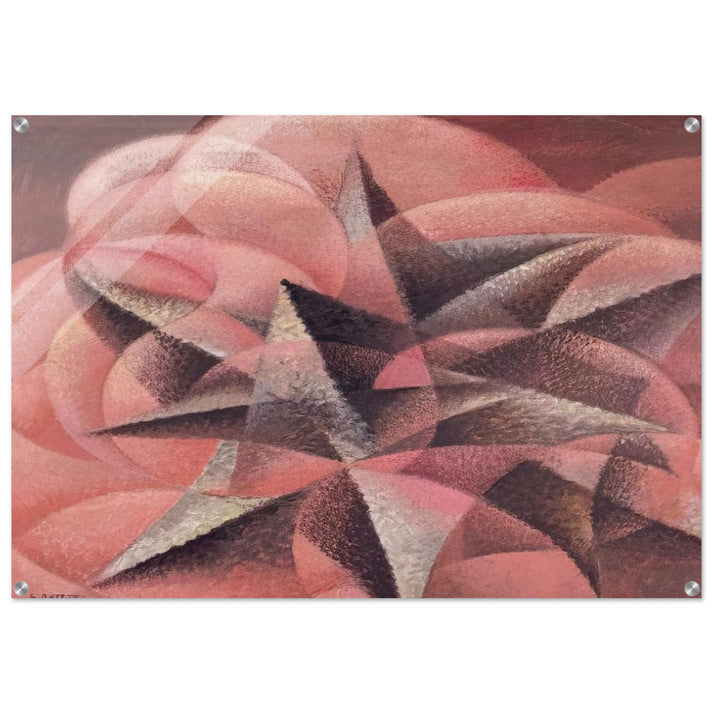
Armonie di forme contrarie - 1935 - Gerardo Dottori Acrylic Print - 70x100 cm / 28x40″ inches | Gerardo Dottori Wall Art | Gerardo Dottori Prints
Armonie di forme contrarie - 1935 - Gerardo Dottori Acrylic Print - 70x100 cm / 28x40″ inches | Gerardo Dottori Wall Art | Gerardo Dottori Prints
Couldn't load pickup availability
Elevate Your Space with the Futurist Vision of Gerardo Dottori
Experience the kinetic energy of Italian Futurism with this museum-quality reproduction of Armonie di forme contrarie (1935). A pinnacle of the Aeropittura (Aeropainting) movement, Gerardo Dottori captures more than a simple landscape; he translates the spiritual and physical sensations of flight into a rhythmic dance of color and geometry. This archival-grade fine art print brings the avant-garde spirit of the early 20th century into the modern interior.
The Artistry of Aeropittura
By 1935, Gerardo Dottori had mastered the art of representing the earth from a divine perspective. Unlike traditional landscapes, Armonie di forme contrarie utilizes lyrical curves and contrasting structural forms to evoke a sense of cosmic harmony. As a curator of world-class reproductions, RedKalion ensures that every sweeping line and vibrant hue is rendered with the same intensity Dottori originally intended, offering a sophisticated window into the Futurist pursuit of dynamism.
Museum-Quality Acrylic Craftsmanship
At RedKalion, we believe historical masterpieces deserve a presentation that reflects their significance. This 70x100 cm acrylic print is crafted from 4mm (0.15") high-grade acrylic, which adds a stunning depth and luminosity to Dottori’s palette. The sleek, straight-cut corners and transparent-to-white background optimization ensure that the focus remains entirely on the artwork’s formal qualities.
- Material: 4mm (0.15") thick acrylic for a vibrant, glass-like finish.
- Visual Depth: The acrylic medium enhances the layered colors typical of Dottori’s technique.
- Installation Ready: Includes a premium hanging kit with four silver-finish standoffs (screws) for a professional, floating effect.
- Durability: Highly resistant to UV light and moisture, ensuring your investment retains its brilliance for decades.
Transform your gallery wall with an archival masterpiece that bridges the gap between historical significance and contemporary luxury.


Discover Unlimited Art Possibilities
At RedKalion, you can find virtually any artwork from any artist, available in a wide range of sizes to perfectly match your space.
If you didn’t find what you’re looking for, contact us at support@redkalion.com . We will source any artwork and produce it in any size and format you need, including art prints, posters, canvas, framed pieces, framed canvas, and more.
For dedicated art enthusiasts, we also offer handcrafted replicas of any artwork, carefully painted by highly skilled artists using traditional techniques.
For custom requests, contact us at support@redkalion.com .
What is the quality of the acrylic used for this Dottori print?
We use premium 4mm (0.15") thick acrylic. This museum-quality material provides exceptional clarity, making the vibrant colors and dynamic forms of Gerardo Dottori’s Aeropittura appear incredibly deep and luminous.
How do I mount this 70x100 cm Gerardo Dottori print?
Each print includes a professional hanging kit. It features pre-drilled holes at each corner (14mm from the edge) and high-quality 15mm screw heads, allowing for a secure, floating installation on your wall.
Is the print archival and fade-resistant?
Yes. RedKalion utilizes archival inks and UV-resistant acrylic. This combination ensures that the intricate details and bold color harmonies of Dottori’s 1935 masterpiece remain vibrant and protected from sunlight damage.
How does RedKalion ensure shipping safety for large acrylic art?
We employ specialized protective packaging and reinforced crating for our 70x100 cm prints. Each piece is meticulously secured to prevent scratches or impacts during its journey to your collection.
Can this print be hung in a high-humidity environment?
Absolutely. Unlike traditional paper prints or canvas, our acrylic prints are naturally moisture-resistant, making them an ideal choice for luxury bathrooms, kitchens, or coastal homes where humidity is a factor.
What was the inspiration for Dottori's Armonie di forme contrarie?
Dottori was inspired by the sensation of flight. This 1935 piece reflects the 'lyrical' stage of Aeropittura, focusing on abstracting the landscape into rhythmic, contrasting shapes that symbolize the harmony of the universe.
Why is this piece significant to the Aeropittura movement?
It represents the shift from literal aerial views to spiritual abstraction. It is a prime example of how Futurist artists sought to depict modern speed and the 'cosmic' perspective of the twentieth century.