RedKalion
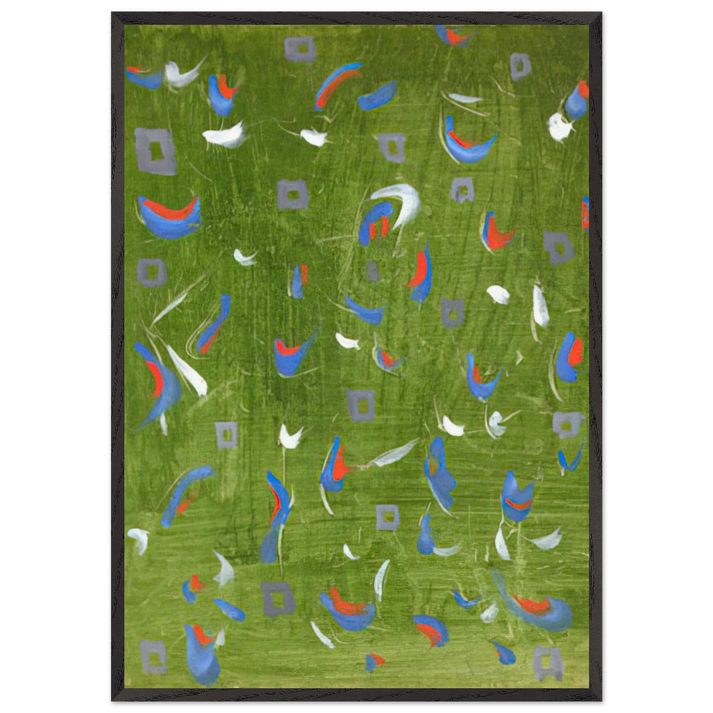
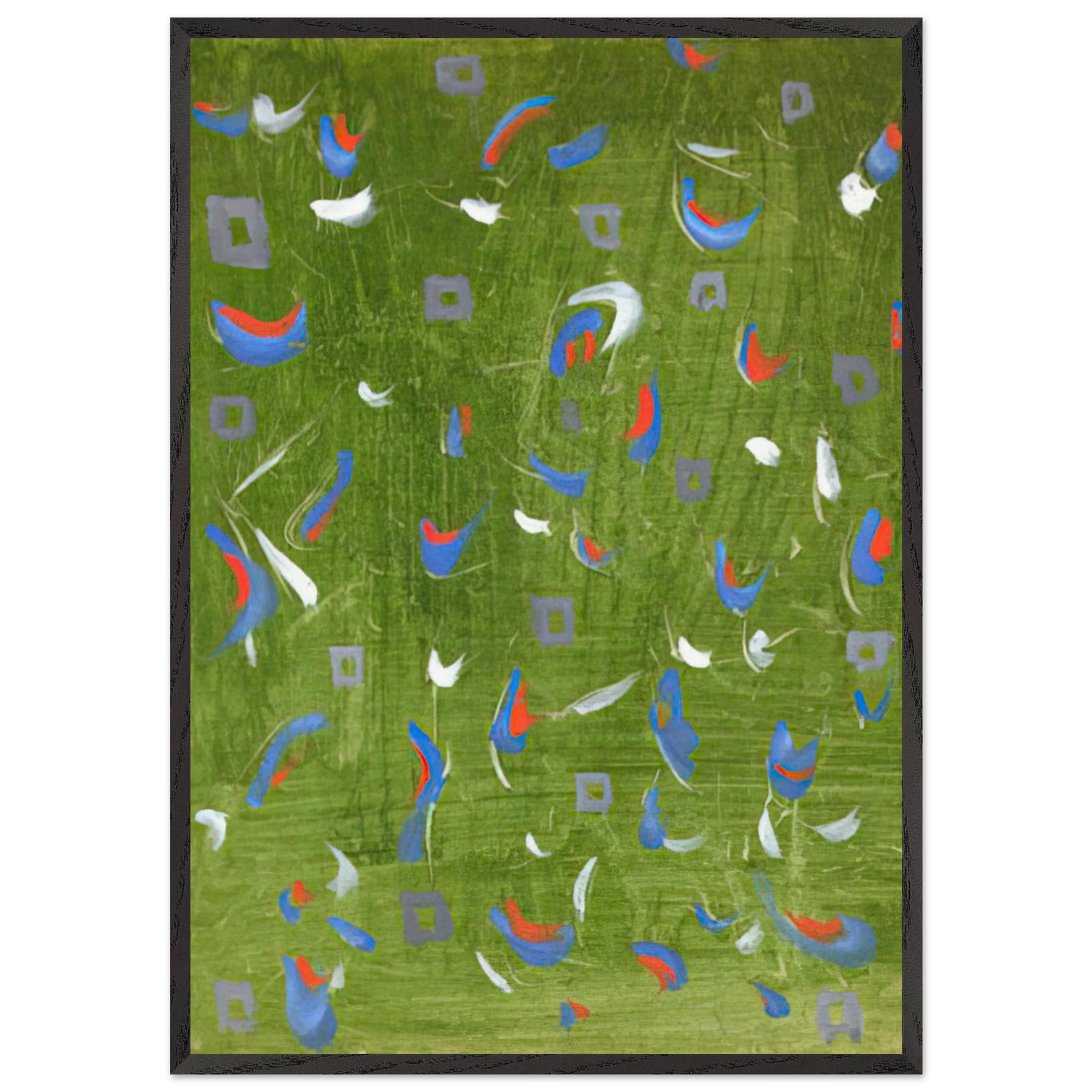
Aspen Colorado - 1967 - Betty Parsons 70x100 cm / 28x40 inches Framed Art Print – Black Wooden Frame
Aspen Colorado - 1967 - Betty Parsons 70x100 cm / 28x40 inches Framed Art Print – Black Wooden Frame
Couldn't load pickup availability
Bring the Visionary Spirit of Betty Parsons into Your Space
Celebrate the intersection of mid-century abstraction and natural serenity with this 1967 masterpiece by Betty Parsons. Titled Aspen Colorado - 1967, this piece captures the essence of the Colorado landscape through Parsons' distinct minimalist lens. Known primarily as the legendary gallerist who championed the Abstract Expressionists, Parsons was herself a profound artist whose work often sought to distill the energy of a specific place into vibrant, geometric harmony.
This museum-quality reproduction offers a rare glimpse into Parsons' personal creative world. The composition utilizes a sophisticated color palette that mirrors the crisp atmosphere of the Rockies, making it a definitive statement piece for collectors of modern and contemporary art. At RedKalion, we preserve the integrity of this vision by employing advanced printing techniques that ensure every hue is rendered with archival precision.
Superior Craftsmanship and Archival Materials
To honor the legacy of Betty Parsons, each print is produced to the highest standards of the fine art industry. We use 250 gsm (110 lb) natural white paper, which is uncoated and archival-grade, ensuring that the vibrancy of the 1967 Aspen study remains untarnished for decades. The matte finish eliminates glare, allowing the subtle nuances of the artwork to shine from any angle.
- Premium Framing: Encased in a black frame crafted from responsibly sourced ash wood, measuring a robust 20mm (0.79") for a commanding presence.
- Sustainable Excellence: We utilize FSC-certified materials, reflecting a commitment to both art and the environment.
- Ready to Exhibit: Your framed art print arrives ready to hang, complete with a professional hanging kit.
- Ultimate Protection: Shatterproof, transparent plexiglass protects the delicate surface while maintaining crystal-clear visibility.
Elevate your interior with a piece that carries the weight of art history. This RedKalion edition of Aspen Colorado - 1967 is more than a decoration; it is an enduring investment in aesthetic heritage.
Discover Unlimited Art Possibilities
At RedKalion, you can find virtually any artwork from any artist, available in a wide range of sizes to perfectly match your space.
If you didn’t find what you’re looking for, contact us at support@redkalion.com . We will source any artwork and produce it in any size and format you need, including art prints, posters, canvas, framed pieces, framed canvas, and more.
For dedicated art enthusiasts, we also offer handcrafted replicas of any artwork, carefully painted by highly skilled artists using traditional techniques.
For custom requests, contact us at support@redkalion.com .
What is the quality of the paper used for this print?
We use 250 gsm (110 lb) museum-quality, natural white paper. It is archival, acid-free, and features a matte, uncoated finish to ensure long-lasting color brilliance without reflection.
How is the frame constructed?
The frame is made from responsibly sourced ash wood with a black finish. It is 20mm (0.79") thick and wide, providing more structural integrity and aesthetic depth than standard 14mm frames.
Is the artwork ready to hang upon arrival?
Yes. Every framed Betty Parsons print includes a pre-installed hanging kit, allowing you to easily mount the piece on your wall immediately after unboxing.
How is the print protected during shipping?
Each print is protected by shatterproof plexiglass and securely packaged in specialized containers to prevent damage. Our archival materials ensure the piece remains in pristine condition.
Are the materials used for this print sustainable?
RedKalion prioritizes the planet by using FSC-certified paper and wood, or equivalent sustainable certifications, ensuring your art acquisition supports responsible forestry practices.
Who was the artist Betty Parsons?
Betty Parsons was a pivotal figure in 20th-century art. While famous for her New York gallery that launched Rothko and Pollock, her own paintings are celebrated for their sophisticated abstraction.
What does 'Aspen Colorado - 1967' represent?
Created in 1967, this piece reflects Parsons' fascination with the structural beauty of nature. It distills the landscape of Aspen into a minimalist composition of color and form.