

RedKalion
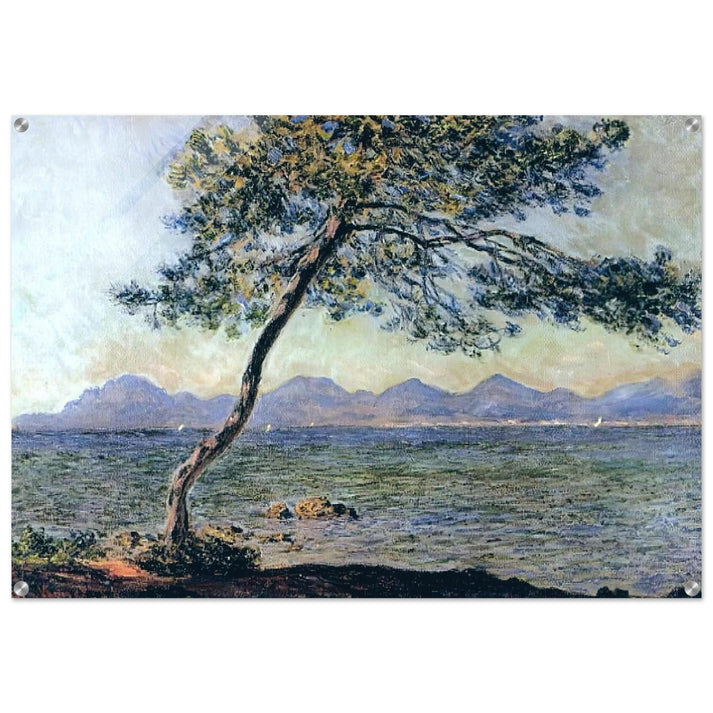
At Cap d'Antibes - claude monet Acrylic Print - 70x100 cm / 28x40″ inches
At Cap d'Antibes - claude monet Acrylic Print - 70x100 cm / 28x40″ inches
Couldn't load pickup availability
Experience the Mediterranean Radiance: Monet’s 'At Cap d’Antibes'
In the spring of 1888, Claude Monet journeyed to the French Riviera, seeking to capture a light unlike any he had encountered in the north. The resulting masterpiece, At Cap d’Antibes, is a seminal work of Impressionism, depicting the ethereal glow of the Mediterranean sun against the rugged coastal landscape. This museum-quality reproduction brings that same vibrant, historical energy into your personal space, preserving the delicate brushwork and chromatic depth of the original canvas.
Artistic Significance and Technique
Monet was famously obsessed with the 'envelope' of light—the atmosphere surrounding the subject. In At Cap d’Antibes, he utilized a palette of turquoise, lavender, and sun-bleached greens to render the shifting reflections of the sea. By choosing a fine art print of this caliber, you are not just acquiring decor; you are investing in a piece of art history that showcases Monet’s mastery of en plein air painting and his evolution toward his later series works.
RedKalion’s Premium Acrylic Craftsmanship
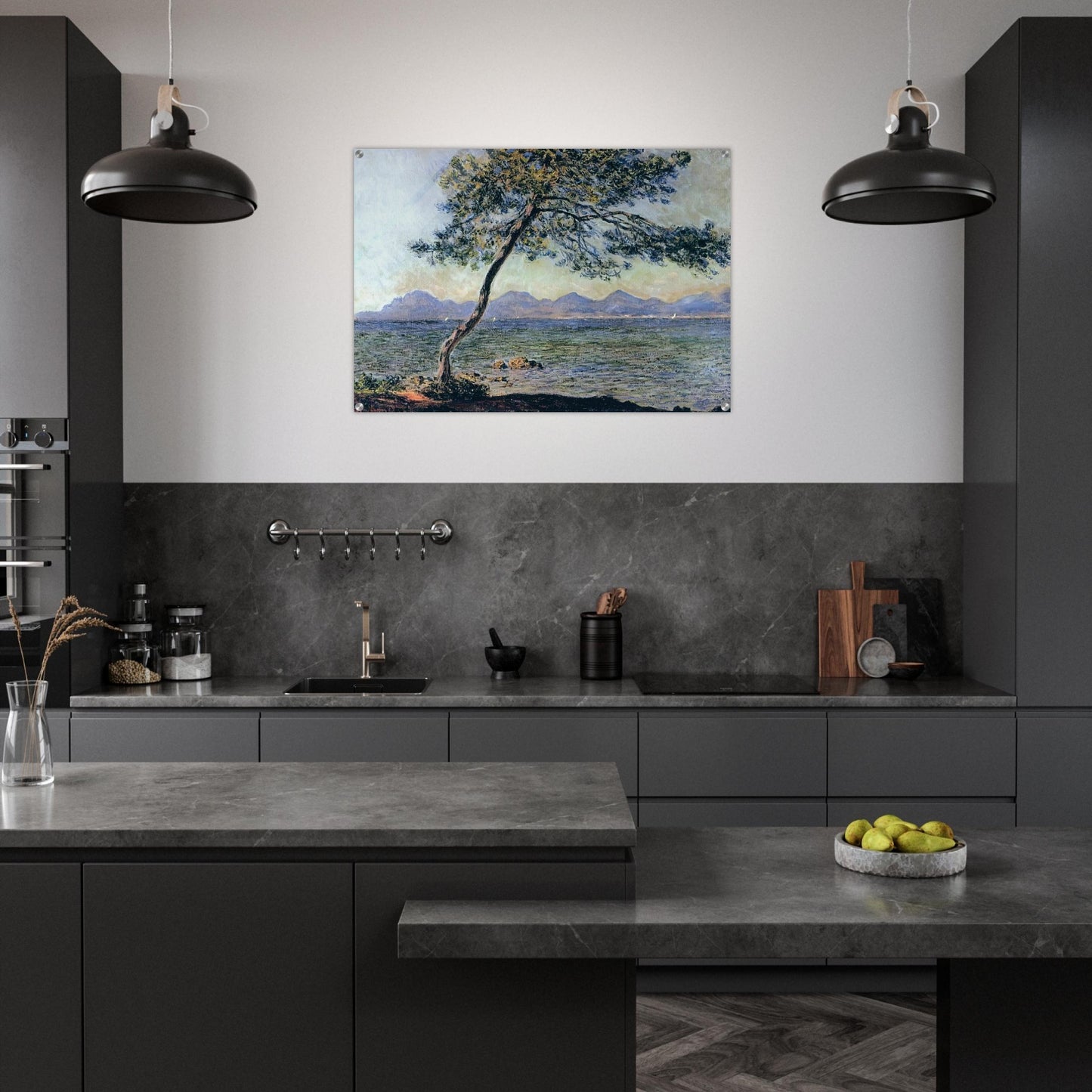
To honor the luminosity of Monet’s vision, RedKalion presents this work as a premium acrylic print. The 4mm (0.15") acrylic glass provides a sleek, modern depth that enhances the color saturation and creates a stunning 3D effect. Unlike traditional paper, the acrylic medium mimics the original oil paint's luster, ensuring that the Mediterranean blues remain as vivid as the day Monet painted them.
- Dimensions: 70x100 cm (28x40″ inches), a commanding presence for any gallery wall.
- Sophisticated Finish: Features modern, straight-cut corners for a clean, architectural silhouette.
- Durability: High-grade materials designed for archival longevity and moisture resistance.
- Installation: Each print includes a specialized hanging kit with screws and pre-drilled holes at each corner for a secure, professional mount.
Elevate your interior with an archival masterpiece curated by RedKalion. This piece serves as a window into the late 19th-century French coast, offering a serene yet powerful focal point that endures through generations.


Discover Unlimited Art Possibilities
At RedKalion, you can find virtually any artwork from any artist, available in a wide range of sizes to perfectly match your space.
If you didn’t find what you’re looking for, contact us at support@redkalion.com . We will source any artwork and produce it in any size and format you need, including art prints, posters, canvas, framed pieces, framed canvas, and more.
For dedicated art enthusiasts, we also offer handcrafted replicas of any artwork, carefully painted by highly skilled artists using traditional techniques.
For custom requests, contact us at support@redkalion.com .
What are the specific dimensions and materials of this print?
This print measures 70x100 cm (28x40″) and is crafted from 4mm (0.15") premium acrylic. It features straight-cut corners and a white-backed transparent layer to ensure maximum color vibrancy and a sleek, durable finish for your home or office.
How do I install my RedKalion acrylic print?
Each print includes a professional hanging kit with screws. Four pre-drilled holes are located 14mm from the edges, featuring an 8mm diameter to accommodate the 15mm screw heads, ensuring a secure and perfectly leveled installation every time.
Is this artwork archival and resistant to fading?
Yes. RedKalion uses archival-grade inks and high-quality acrylic that protects the image from UV rays and moisture. This ensures that the vivid colors of Monet’s Mediterranean palette remain pristine and fade-resistant for decades to come.
How does RedKalion ensure shipping safety?
We use specialized, high-durability packaging designed specifically for large-format acrylic art. Every 70x100 cm piece is securely cushioned and reinforced to prevent any scratches or structural damage during international transit to your doorstep.
What makes this Monet reproduction unique?
RedKalion focuses on museum-quality fidelity. By utilizing high-resolution scans of the original 1888 masterpiece and printing on premium acrylic, we capture the nuances of Monet’s brushstrokes and the specific atmospheric light of the Cap d'Antibes coast.
When did Claude Monet paint 'At Cap d'Antibes'?
Claude Monet painted 'At Cap d'Antibes' in 1888 during a significant four-month stay on the French Riviera. This period marked a crucial exploration of Mediterranean light, resulting in some of his most colorful and celebrated landscape works.
What artistic movement does this piece represent?
This piece is a quintessential example of French Impressionism. It emphasizes the artist's immediate perception of nature, the play of natural light, and the use of short, broken brushstrokes to capture the fleeting essence of a specific moment.