

RedKalion
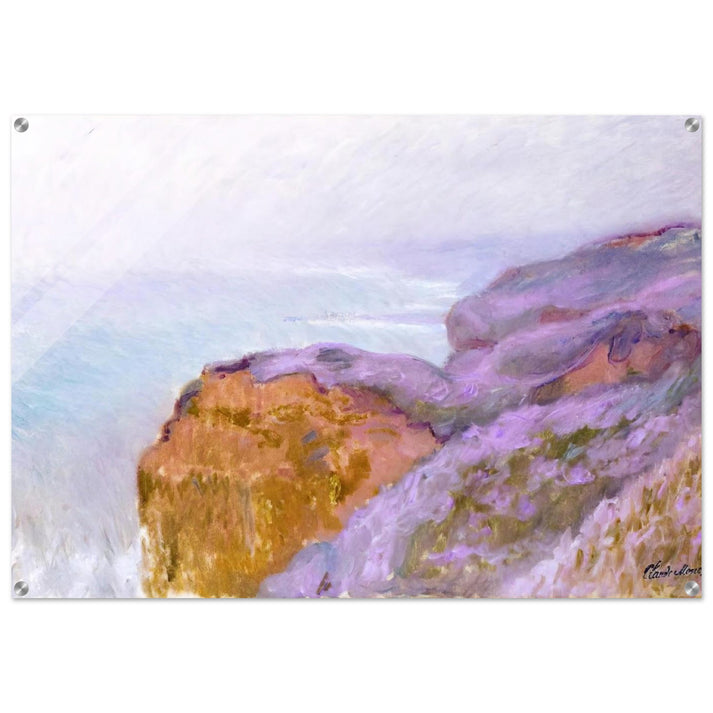
At Val Saint-Nicolas, near Dieppe - claude monet Acrylic Print - 70x100 cm / 28x40″ inches | claude monet Wall Art | claude monet Prints
At Val Saint-Nicolas, near Dieppe - claude monet Acrylic Print - 70x100 cm / 28x40″ inches | claude monet Wall Art | claude monet Prints
Couldn't load pickup availability
Capture the Ethereal Radiance of Monet’s Normandy
In 1897, Claude Monet returned to the rugged cliffs of the Normandy coast, capturing the fleeting interplay of light and water with an intensity that defined the pinnacle of French Impressionism. At Val Saint-Nicolas, near Dieppe is a testament to this mastery, featuring a high-vantage perspective that juxtaposes the sheer strength of the earth against the infinite horizon of the sea. At RedKalion, we bring this masterpiece to the modern era through a museum-quality acrylic reproduction that preserves the artist's delicate brushwork and vibrant palette of azures, ochres, and emerald greens.
Modern Sophistication Meets Impressionist Heritage
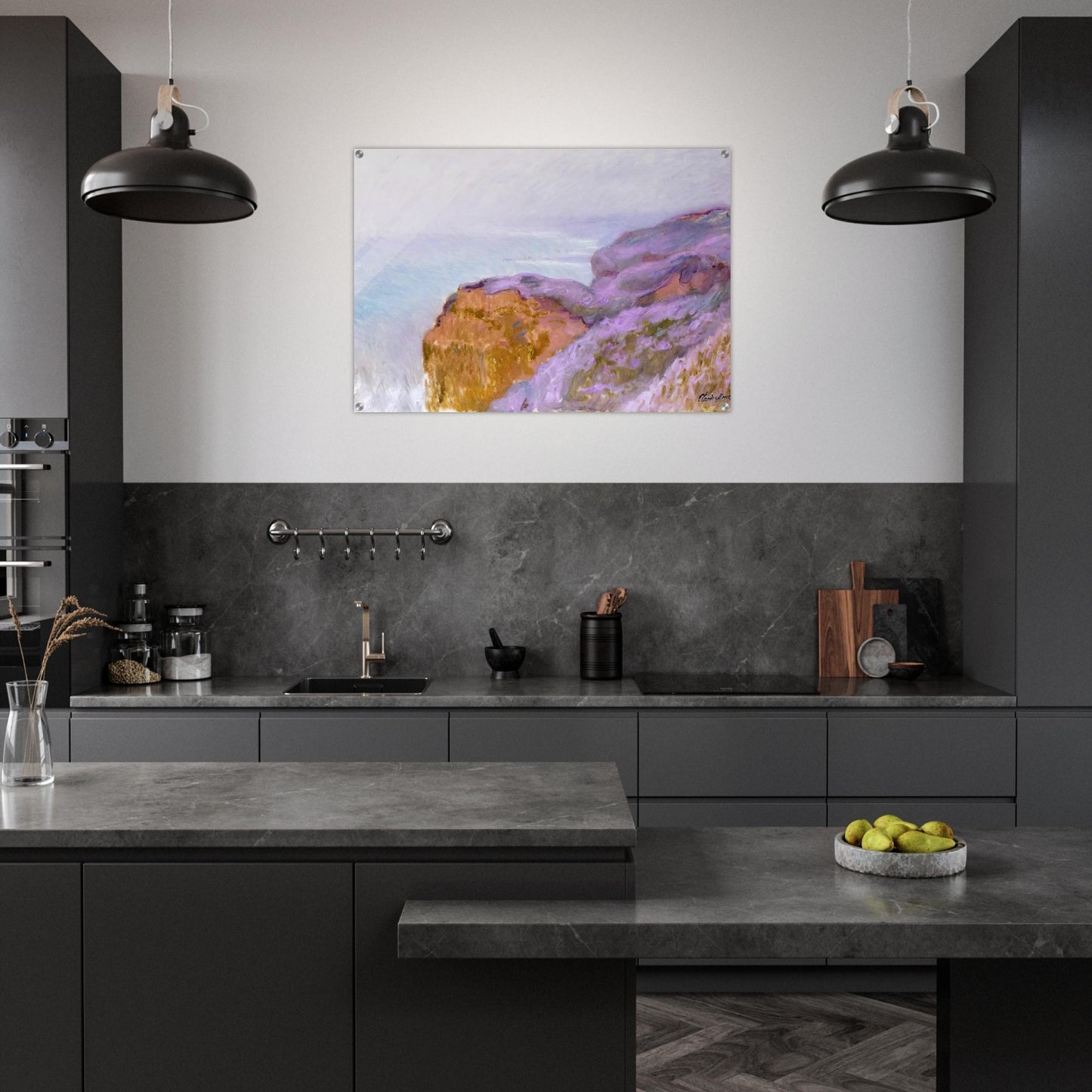
This 70x100 cm (28x40″) fine art print is meticulously crafted on 4mm (0.15") acrylic, a material chosen for its ability to enhance depth and luminosity. Unlike traditional framing, the acrylic medium allows light to permeate the image, echoing the very en plein air techniques Monet pioneered. The result is a vibrant, sleek, and durable finish that transforms any interior into a private gallery space.
Archival Quality and Precision Engineering
Every RedKalion print is an investment in enduring beauty. This piece features straight-cut corners for a clean, contemporary silhouette. To ensure a seamless installation, each print includes a specialized hanging kit with screws and pre-drilled holes. These holes are positioned 14mm (0.55") from each edge, with an 8mm (0.31") diameter to accommodate the premium 15mm (0.6") screw heads, providing both security and aesthetic balance.
- Museum-Quality Reproduction: Captured with ultra-high-resolution technology to mirror the original textures.
- Durable Construction: 4mm acrylic offers superior impact resistance and clarity over standard glass.
- Ready to Display: Professional-grade hardware included for a sophisticated, stand-off wall mount.
- Archival Longevity: Designed to resist fading, ensuring the Normandy light remains as brilliant as the day it was painted.


Discover Unlimited Art Possibilities
At RedKalion, you can find virtually any artwork from any artist, available in a wide range of sizes to perfectly match your space.
If you didn’t find what you’re looking for, contact us at support@redkalion.com . We will source any artwork and produce it in any size and format you need, including art prints, posters, canvas, framed pieces, framed canvas, and more.
For dedicated art enthusiasts, we also offer handcrafted replicas of any artwork, carefully painted by highly skilled artists using traditional techniques.
For custom requests, contact us at support@redkalion.com .
What materials are used for this Monet reproduction?
We use premium 4mm (0.15") acrylic for a sleek, vibrant finish. This material enhances the depth and color of the Impressionist palette, providing a durable and modern alternative to traditional framed prints.
How do I install the acrylic print on my wall?
Your print includes a comprehensive hanging kit with screws. Each corner features a pre-drilled 8mm hole, located 14mm from the edge, designed for a secure and elegant stand-off installation.
Does this print capture the true colors of Monet's original?
Yes. Our museum-quality reproduction uses archival-grade inks and high-resolution imaging to ensure every hue of the Val Saint-Nicolas landscape is rendered with historical accuracy and stunning clarity.
How is the print shipped to ensure its safety?
Each acrylic print is securely packaged with protective layers and reinforced corners to prevent scratches or breakage during transit, ensuring your RedKalion artwork arrives in pristine condition.
Will the colors fade over time?
No. Our acrylic prints are engineered for archival longevity, featuring UV-resistant properties that protect the vibrancy of Monet's work from sunlight and environmental aging.
What inspired Monet to paint at Val Saint-Nicolas?
Monet was fascinated by the dramatic topography of the Dieppe region. In 1897, he focused on the effects of morning light and sea mist on the verticality of the cliffs.
What is unique about the composition of this piece?
Monet utilized a high-perspective viewpoint, common in Japanese prints, to eliminate the foreground and immerse the viewer directly into the expansive atmospheric conditions of the English Channel.