

RedKalion
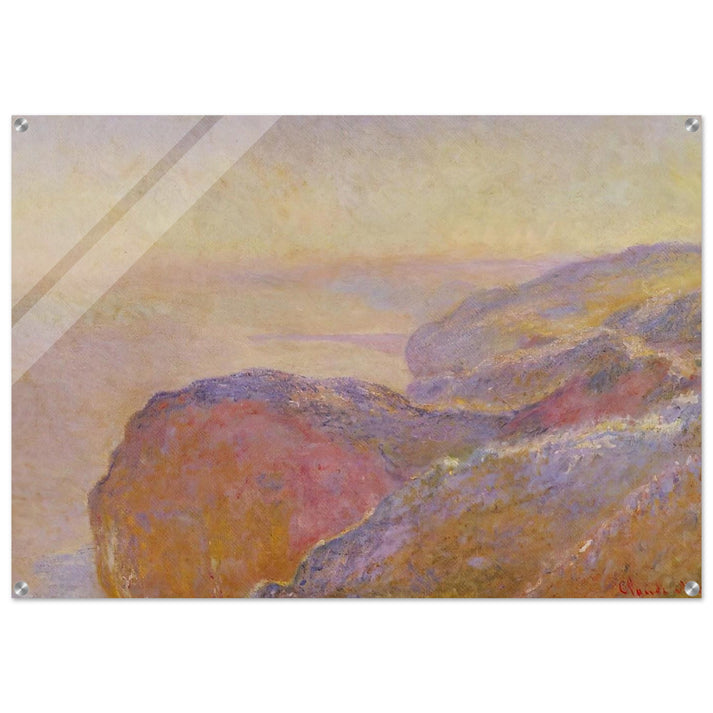
At Val-Saint-Nicolas near Dieppe in the Morning - claude monet Acrylic Print - 70x100 cm / 28x40″ inches | claude monet Wall Art | claude monet Prints
At Val-Saint-Nicolas near Dieppe in the Morning - claude monet Acrylic Print - 70x100 cm / 28x40″ inches | claude monet Wall Art | claude monet Prints
Couldn't load pickup availability
Experience the Luminescence of Claude Monet’s Dieppe Coastline
Invite the ethereal light of the Normandy coast into your home with At Val-Saint-Nicolas near Dieppe in the Morning. This exquisite Claude Monet wall art captures the master Impressionist at the height of his powers, exploring the shifting relationship between sea, sky, and stone. Painted during his prolific travels to the French coast, this piece exemplifies Monet’s en plein air technique, where he sought to freeze the fleeting 'envelope' of atmosphere that surrounds a landscape.
A Masterpiece of Modern Presentation
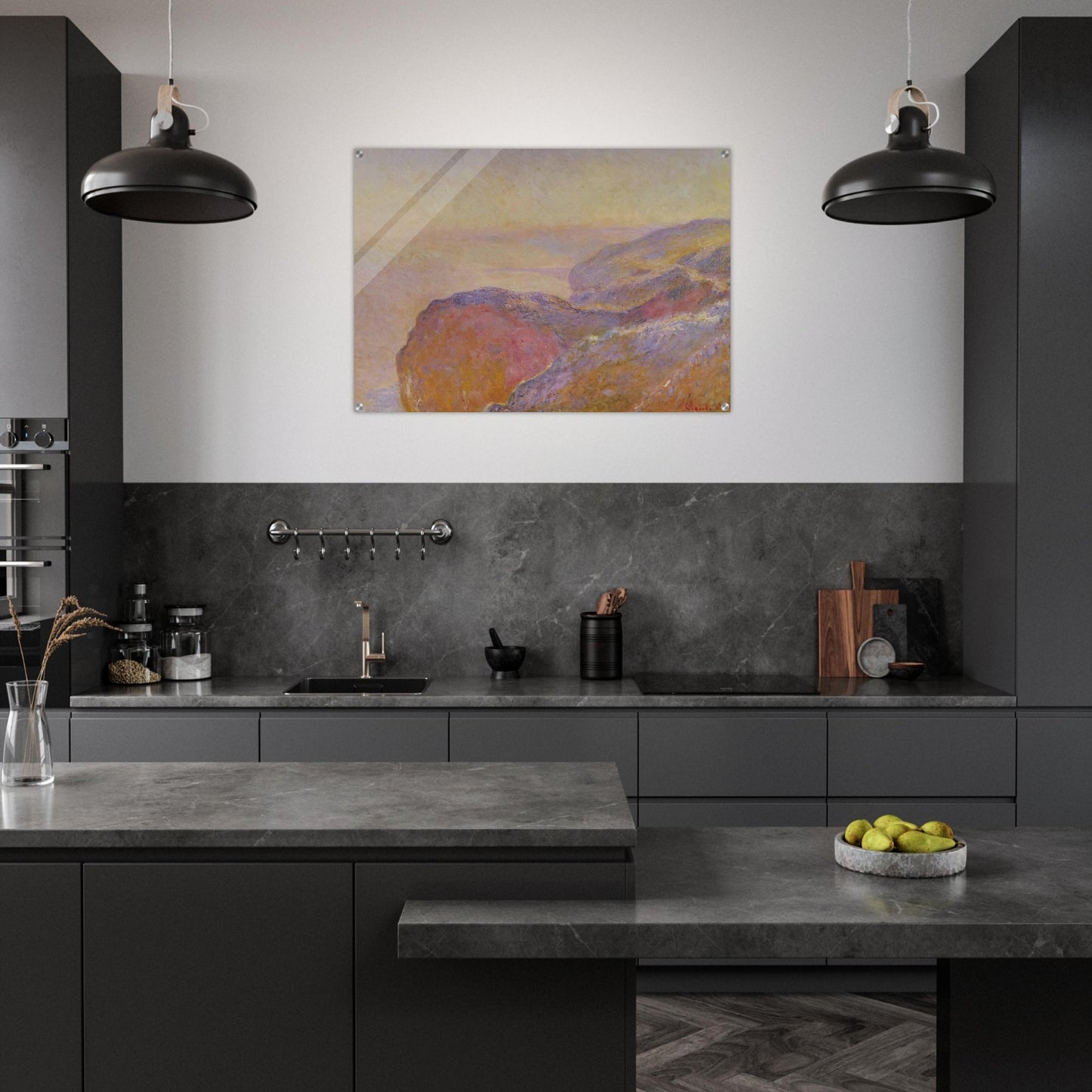
At RedKalion, we believe museum-quality reproductions should harmonize historical beauty with contemporary design. This Claude Monet print is rendered on premium 4mm (0.15") acrylic, a medium that enhances the depth and vibrancy of Monet’s pastel palette. The sleek, glossy finish allows light to penetrate through the image, mimicking the very luminosity Monet worked so tirelessly to capture on canvas. With its modern straight-cut corners and high-definition clarity, this piece transforms any space into a private gallery.
Archival Excellence and Sophisticated Design
Our commitment to excellence ensures that your investment endures for generations. This archival-grade reproduction features:
- Premium Acrylic: 4mm thick for a durable, shatter-resistant, and high-gloss finish.
- Precise Engineering: Straight-cut corners for a clean, architectural aesthetic.
- Complete Installation Kit: Includes professional-grade hanging hardware with four 15mm screw heads and pre-drilled holes for effortless mounting.
- Color Integrity: Advanced printing technology ensures that the subtle morning mists and maritime hues remain vivid and true to the original 1897 masterpiece.
Elevate your interior with a piece that transcends mere decoration. This Claude Monet fine art print is a testament to the enduring power of Impressionism, curated by RedKalion for the discerning collector.


Discover Unlimited Art Possibilities
At RedKalion, you can find virtually any artwork from any artist, available in a wide range of sizes to perfectly match your space.
If you didn’t find what you’re looking for, contact us at support@redkalion.com . We will source any artwork and produce it in any size and format you need, including art prints, posters, canvas, framed pieces, framed canvas, and more.
For dedicated art enthusiasts, we also offer handcrafted replicas of any artwork, carefully painted by highly skilled artists using traditional techniques.
For custom requests, contact us at support@redkalion.com .
What is the material used for this Claude Monet print?
This reproduction is crafted on 4mm (0.15") high-grade acrylic. This material provides a sleek, modern finish that enhances the vibrant colors and depth of Monet’s brushwork while ensuring long-term durability.
Is the mounting hardware included with the acrylic wall art?
Yes, each Claude Monet fine art print comes with a dedicated hanging kit. It includes screws and pre-drilled holes at each corner (14mm from the edge) for a secure and professional installation.
How do you ensure the longevity and colors of the reproduction?
RedKalion uses archival-grade inks and premium acrylic to protect against UV fading and environmental wear. Our museum-quality process ensures the atmospheric morning light in Monet’s work remains vivid for decades.
What is the shipping and handling process for large art prints?
We use specialized, high-protection packaging to ensure your 70x100 cm acrylic print arrives in pristine condition. Each piece is securely crated and tracked to guarantee a safe journey to your door.
Are the corners of the acrylic print rounded or straight?
This specific Claude Monet wall art features straight-cut corners. This design choice provides a clean, contemporary silhouette that complements the sophisticated aesthetic of high-end acrylic gallery prints.
What is the historical significance of 'At Val-Saint-Nicolas near Dieppe in the Morning'?
Painted in 1897, this work belongs to Monet's series focused on the cliffs of Normandy. It showcases his obsession with capturing the 'instantaneity' of light at different times of day on the same geographical subject.
How did Monet capture the morning light in this particular landscape?
Monet used a technique of layering short, broken brushstrokes of cool blues and soft pinks. This allowed him to replicate the hazy, moisture-rich air of the French coast during the early morning hours.