

RedKalion
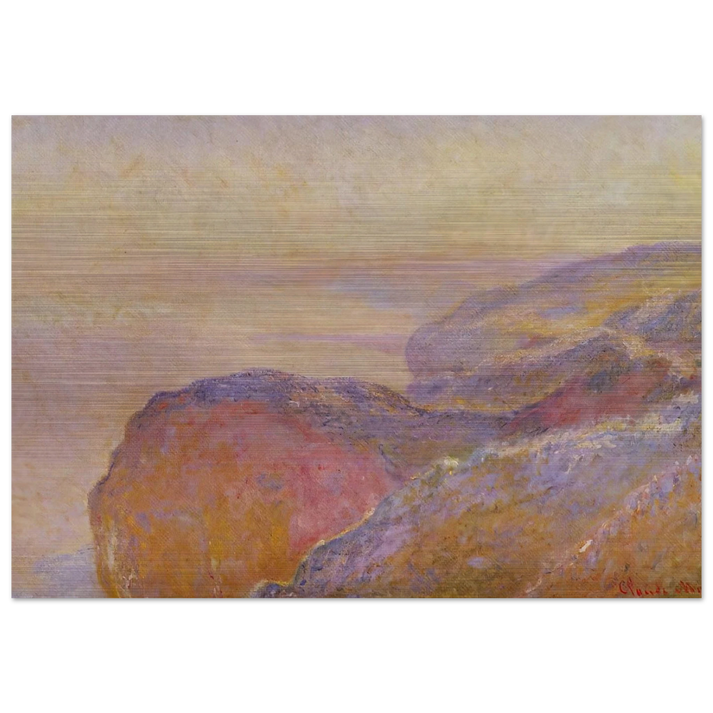
At Val-Saint-Nicolas near Dieppe in the Morning - claude monet Brushed Aluminum Print - 70x100 cm / 28x40 inches | claude monet Aluminum Print | claude monet Prints
At Val-Saint-Nicolas near Dieppe in the Morning - claude monet Brushed Aluminum Print - 70x100 cm / 28x40 inches | claude monet Aluminum Print | claude monet Prints
Couldn't load pickup availability
Elevate Your Space with Claude Monet's Morning Light
Experience the ethereal beauty of At Val-Saint-Nicolas near Dieppe in the Morning by the master of Impressionism, Claude Monet. This breathtaking piece captures the rugged cliffs of the Normandy coast as they emerge from the soft, early morning mist. Originally painted in the late 19th century, this work exemplifies Monet's obsession with the fleeting nature of light and the atmospheric conditions of the sea.
The RedKalion Archival standard: Brushed Aluminum DIBOND®
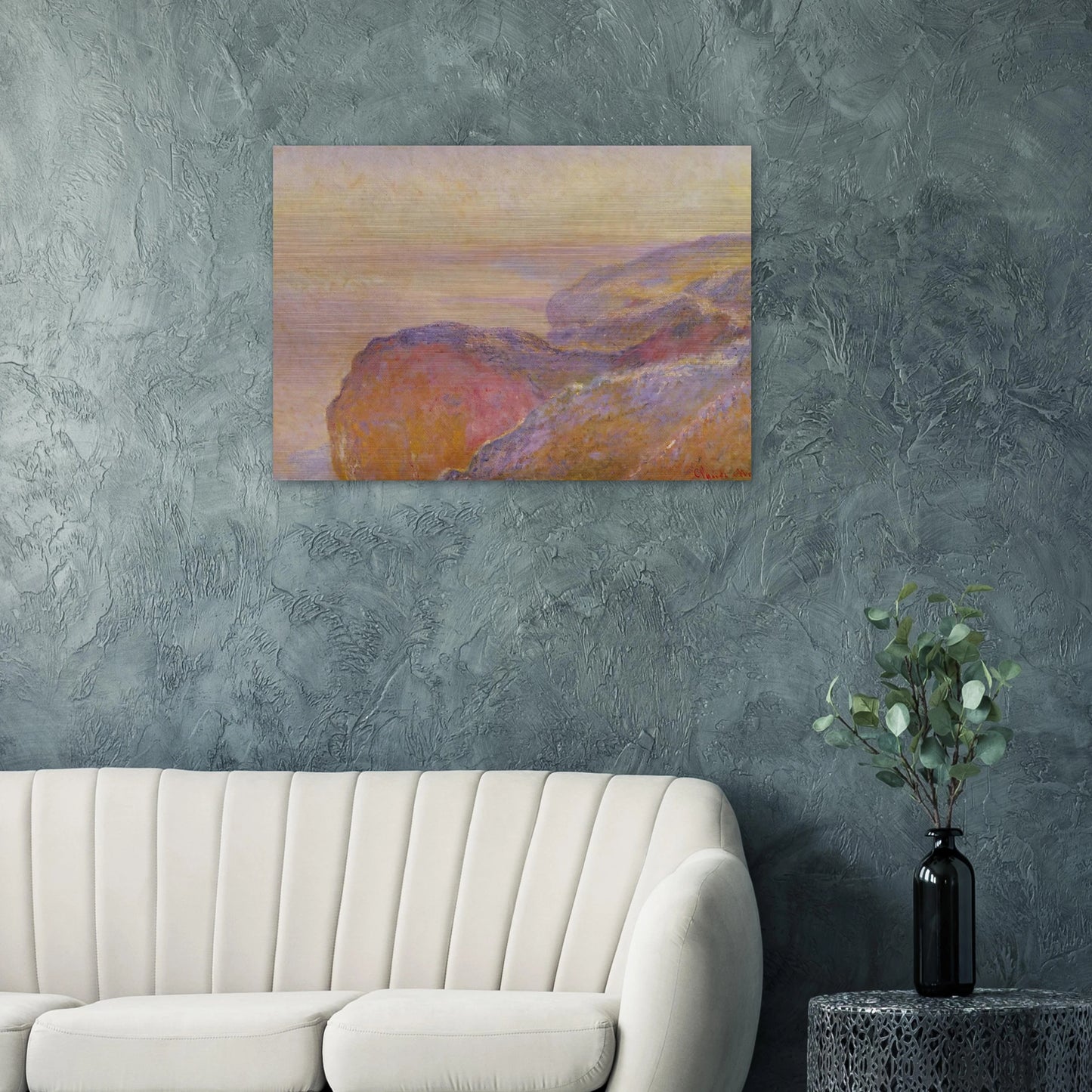
At RedKalion, we bridge the gap between historic artistry and contemporary material science. This museum-quality reproduction is meticulously crafted on 3mm (0.12") brushed silver Aluminum DIBOND®. This medium is specifically chosen to enhance the luminance of Monet's brushwork. The horizontal grain of the metallic finish provides a dynamic, three-dimensional depth that shifts slightly as you move across the room.
- Sophisticated Metallic Finish: Unprinted white areas in the composition reveal the raw, brushed silver surface, creating a unique shimmering effect that mimics the glisten of the Atlantic tide.
- Archival Durability: The 3mm rigid base ensures a perfectly flat, durable surface that resists warping and aging.
- Matte and Glare-Free: Ideal for high-light environments, the direct-print matte finish ensures the viewer sees only the art, not reflections.
- Ready to Display: Each 70x100 cm print includes a professional hanging kit tailored to your location, ensuring a seamless installation.
A Masterpiece of Impressionist Technique
During his stays near Dieppe, Monet worked relentlessly to document the 'envelope' of air and light surrounding his subjects. By selecting this Claude Monet Aluminum Print, you are not simply purchasing decor; you are acquiring a piece of art history. Our direct-to-surface printing process preserves the integrity of Monet’s textured strokes while introducing a modern, industrial elegance that complements both minimalist and classic interiors.


Discover Unlimited Art Possibilities
At RedKalion, you can find virtually any artwork from any artist, available in a wide range of sizes to perfectly match your space.
If you didn’t find what you’re looking for, contact us at support@redkalion.com . We will source any artwork and produce it in any size and format you need, including art prints, posters, canvas, framed pieces, framed canvas, and more.
For dedicated art enthusiasts, we also offer handcrafted replicas of any artwork, carefully painted by highly skilled artists using traditional techniques.
For custom requests, contact us at support@redkalion.com .
What is Brushed Aluminum DIBOND®?
It is a premium composite material featuring a 3mm rigid core sandwiched between two aluminum sheets. The brushed silver finish provides a metallic grain that enhances light reflection in the artwork.
How does the "white is silver" effect work?
In this printing process, white areas of Monet's painting are left unprinted. This allows the natural brushed silver aluminum to show through, creating a striking, luminous metallic effect.
Is the print ready to hang upon delivery?
Yes. Every RedKalion print includes a high-quality hanging kit. The specific hardware varies by country to ensure the most secure mounting for your 70x100 cm artwork.
How long will this archival print last?
Our Claude Monet prints use UV-resistant inks and archival-grade Aluminum DIBOND®, ensuring the colors remain vivid and the structure remains rigid for decades without fading or warping.
Is the finish glossy or matte?
The print features a sophisticated matte finish. This eliminates glare and reflections, making it perfect for rooms with large windows or bright overhead lighting.
Where did Claude Monet paint At Val-Saint-Nicolas near Dieppe in the Morning?
Monet painted this along the Alabaster Coast in Normandy, France. He was captivated by the dramatic cliffs and the specific quality of light found near the commune of Dieppe.
What makes this piece significant in Monet's Dieppe series?
This piece is a pinnacle of Monet's 'series' phase, where he focused on how different times of day—specifically the morning mist—transformed the solid geometry of the French coastline into a dreamlike vision.