


RedKalion
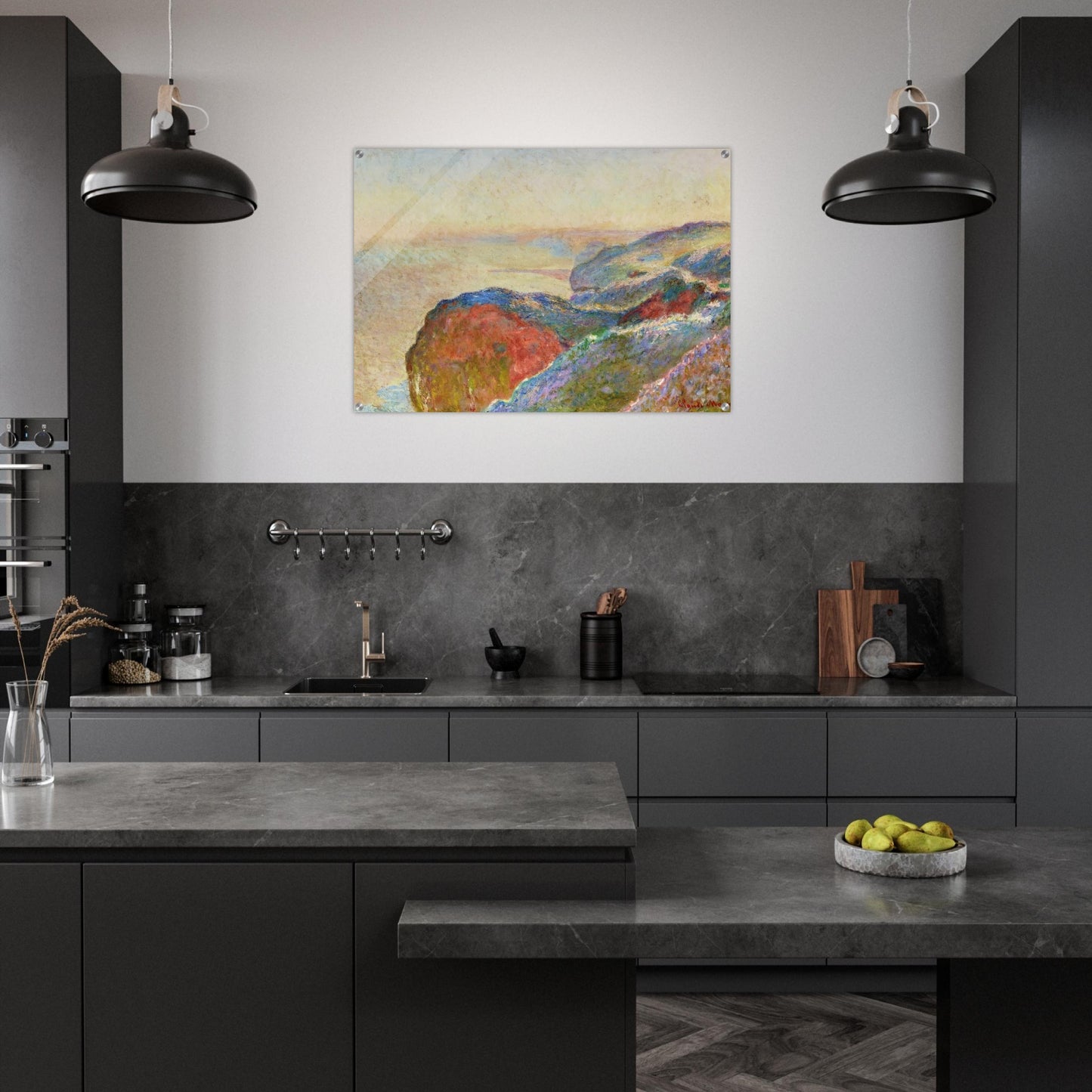
At Val Saint-Nicolas near Dieppe, Morning - claude monet Acrylic Print - 70x100 cm / 28x40″ inches
At Val Saint-Nicolas near Dieppe, Morning - claude monet Acrylic Print - 70x100 cm / 28x40″ inches
Couldn't load pickup availability
At Val Saint-Nicolas near Dieppe, Morning: An Impressionist Masterpiece
Claude Monet’s 1897 masterpiece, At Val Saint-Nicolas near Dieppe, Morning, captures the ephemeral beauty of the French coast with unparalleled sensitivity. Part of a series where Monet explored the varying effects of light on the cliffs of Normandy, this work exemplifies the Impressionist pursuit of the 'instantaneous.' The soft, cool tones of the morning mist blend the horizon where the rugged cliffs meet the English Channel, creating a serene, meditative atmosphere that transforms any interior into a sanctuary of light.
At RedKalion, we have meticulously curated this museum-quality reproduction to preserve every nuanced brushstroke and color transition of the original oil painting. This fine art print is rendered on premium 4mm (0.15") acrylic, a medium that enhances the depth and vibrancy of Monet's palette, making the morning light appear to glow from within the piece itself.
Premium Craftsmanship & Technical Excellence
- Luminous Acrylic Finish: The 4mm thick acrylic provides a sleek, modern aesthetic while offering exceptional clarity and color brilliance.
- Sophisticated Design: Featuring clean, straight-cut corners, this 70x100 cm print integrates seamlessly into high-end contemporary and classic interiors.
- Integrated Hanging System: Each piece includes a professional hanging kit with screws and pre-drilled holes (14mm from the edge) for a secure, gallery-standard installation.
- Archival Durability: Our high-grade acrylic is designed to resist UV damage and moisture, ensuring your investment remains a vibrant centerpiece for generations.
By choosing RedKalion, you are not merely purchasing a print; you are acquiring an archival-grade artifact that honors the legacy of Claude Monet. Elevate your space with a work that bridges the gap between 19th-century atmospheric genius and 21st-century material innovation.


Discover Unlimited Art Possibilities
At RedKalion, you can find virtually any artwork from any artist, available in a wide range of sizes to perfectly match your space.
If you didn’t find what you’re looking for, contact us at support@redkalion.com . We will source any artwork and produce it in any size and format you need, including art prints, posters, canvas, framed pieces, framed canvas, and more.
For dedicated art enthusiasts, we also offer handcrafted replicas of any artwork, carefully painted by highly skilled artists using traditional techniques.
For custom requests, contact us at support@redkalion.com .
What materials are used for this Monet acrylic print?
This print is crafted from 4mm (0.15") high-quality acrylic, providing a vibrant, durable, and sleek finish that enhances color depth and mimics the luminosity of Monet's original oils.
How is the artwork prepared for hanging?
Each print includes a professional hanging kit with screws. It features pre-drilled holes at each corner (8mm diameter), positioned 14mm from the edges for a stable and elegant installation.
Will the colors fade over time?
No. We use archival-grade inks and UV-resistant acrylic to ensure the print maintains its museum-quality vibrancy and resists fading for decades in indoor environments.
What are the design features of the corners?
The acrylic print features modern straight-cut corners, providing a clean-lined, sophisticated look that complements the 70x100 cm format perfectly.
How is the print shipped to ensure safety?
We use specialized protective packaging designed for fragile fine art. Each acrylic piece is securely boxed with reinforced corners to ensure it arrives in pristine gallery condition.
What is the historical significance of Val Saint-Nicolas in Monet's work?
Val Saint-Nicolas was a recurring subject for Monet during his stay in Dieppe in 1897. He was fascinated by the verticality of the cliffs and the way the morning mist softened the rugged coastal landscape.
Why did Monet choose the morning light for this Dieppe series?
Monet sought to capture the 'envelope' of light. Morning light offered a specific cool-toned atmospheric perspective that allowed him to explore the interplay between the sea, sky, and chalk cliffs.