RedKalion
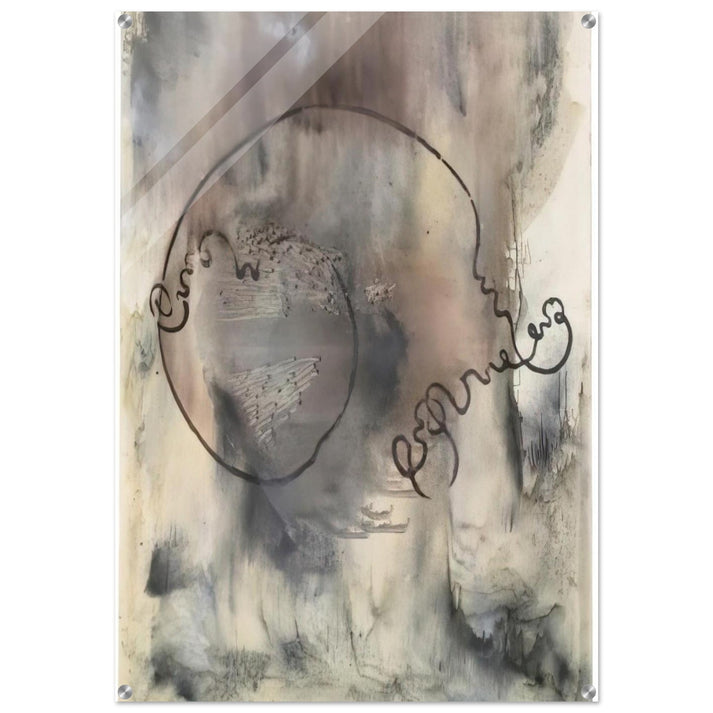
AUDATIA 1986 - Sigmar Polke Acrylic Print - 70x100 cm / 28x40″ inches
AUDATIA 1986 - Sigmar Polke Acrylic Print - 70x100 cm / 28x40″ inches
Couldn't load pickup availability
Elevate Your Space with Sigmar Polke’s Audatia (1986)
Experience the profound complexity of Sigmar Polke’s Audatia 1986, a definitive masterpiece from one of the 20th century's most influential post-modernists. Often referred to as an "alchemist" of the art world, Polke spent the mid-1980s experimenting with chemical reactions and unconventional pigments. This high-fidelity acrylic print reproduction captures the ethereal layering and fluid motion of the original work, bringing a museum-grade aesthetic to your private collection or professional office space.
The RedKalion Archival Standard
At RedKalion, we curate only the finest artworks, ensuring each piece is rendered with historical accuracy and physical permanence. This 70x100 cm (28x40″) acrylic glass print is designed to amplify light and depth, echoing Polke’s own fascination with transparency and the transformation of materials. The sleek, vibrant finish ensures that every nuance of the 1986 composition is preserved with striking clarity.
Premium Material and Sophisticated Design
This is not a standard poster; it is a sophisticated piece of contemporary wall art engineered for durability and visual impact. The 4mm (0.15") acrylic surface offers a glass-like sheen without the fragility, featuring modern straight-cut corners that complement minimalist and industrial interiors. For optimal presentation, any transparent elements in the original design are backed with a solid white layer to maintain the integrity of Polke's color palette.
- Exquisite Clarity: 4mm thick acrylic for a deep, luminous 3D effect.
- Historical Significance: A faithful reproduction of Sigmar Polke's 1986 alchemical exploration.
- Ready to Display: Includes a premium hanging kit with four silver-finish standoffs.
- Museum-Grade Durability: Resists fading and physical wear over time.
Installation and Engineering
To ensure a secure and elegant installation, this Sigmar Polke fine art print comes equipped with a professional mounting set. Each corner features a precision-drilled 8mm (0.31") hole, positioned 14mm (0.55") from the edge. The included 15mm (0.6") screw heads provide a stable, floating appearance that enhances the modern feel of the Audatia 1986 reproduction.

Discover Unlimited Art Possibilities
At RedKalion, you can find virtually any artwork from any artist, available in a wide range of sizes to perfectly match your space.
If you didn’t find what you’re looking for, contact us at support@redkalion.com . We will source any artwork and produce it in any size and format you need, including art prints, posters, canvas, framed pieces, framed canvas, and more.
For dedicated art enthusiasts, we also offer handcrafted replicas of any artwork, carefully painted by highly skilled artists using traditional techniques.
For custom requests, contact us at support@redkalion.com .
What are the physical specifications of this acrylic print?
The print is crafted from 4mm (0.15") thick acrylic with straight-cut corners. It measures 70x100 cm (28x40″) and features a sleek, vibrant finish designed for archival longevity and depth.
How is the artwork mounted to the wall?
Each print includes a professional hanging kit with screws and standoffs. Hardware fits into 8mm pre-drilled holes at each corner, positioned 14mm from the edges for a secure, floating display.
Does the print handle transparency like the original Polke work?
While Polke experimented with translucency, our production process defaults transparent backgrounds to white. This ensures the 1986 Audatia colors remain vibrant and opaque for better visibility on any wall color.
How do I clean and maintain the acrylic surface?
To maintain the archival quality of your RedKalion print, use a soft, damp microfiber cloth. Avoid harsh chemicals or abrasive materials to preserve the 4mm acrylic's brilliant, high-gloss finish.
Is the shipping packaging secure for fine art?
Yes, all RedKalion premium prints are shipped in protective, reinforced packaging to ensure your Sigmar Polke reproduction arrives in pristine, museum-ready condition regardless of destination.
What does the title 'Audatia' signify in Polke's work?
'Audatia' stems from the Latin for audacity or boldness. In 1986, this reflected Polke’s daring chemical experiments, where he used silver nitrate and arsenic to create unpredictable, evolving textures.
Why is Sigmar Polke's 1986 period so significant?
The mid-80s marked Polke's 'Alchemist' phase. He moved beyond traditional painting into abstract, reactive processes, making works like Audatia pivotal moments in the transition from Pop Art to Post-modernism.