

RedKalion
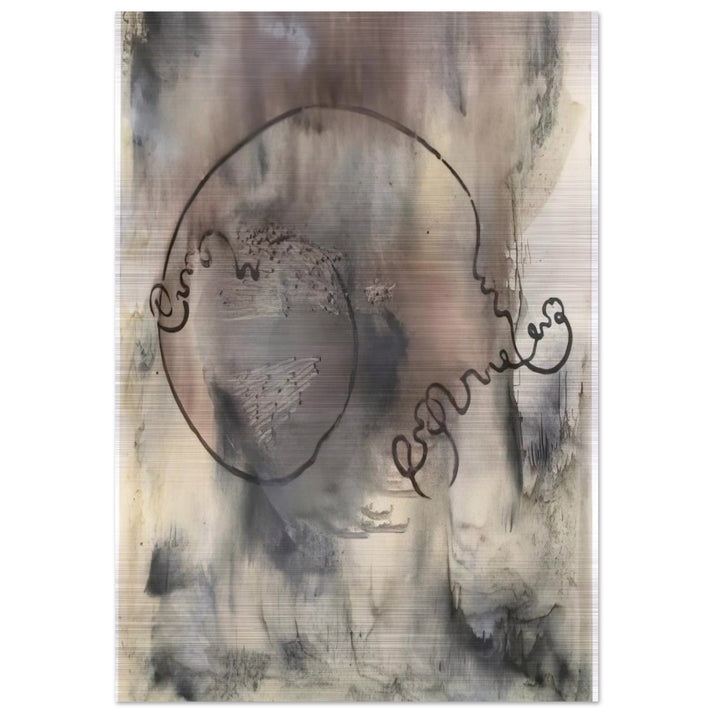
AUDATIA 1986 - Sigmar Polke Brushed Aluminum Print - 70x100 cm / 28x40 inches | Sigmar Polke Aluminum Print | Sigmar Polke Prints
AUDATIA 1986 - Sigmar Polke Brushed Aluminum Print - 70x100 cm / 28x40 inches | Sigmar Polke Aluminum Print | Sigmar Polke Prints
Couldn't load pickup availability
A Masterpiece of Postmodern Alchemy: Audatia 1986
Step into the complex, layered world of Sigmar Polke with this museum-quality reproduction of Audatia 1986. As a central figure in the Capitalist Realism movement, Polke was a master of subverting traditional aesthetics through experimental chemistry and historical appropriation. This piece represents a pinnacle of his 1980s output, where he moved beyond the 'Higher Beings' of his early career into a more alchemical exploration of transparency, chance, and narrative depth.
This fine art print is meticulously rendered on 3mm (0.12") brushed silver Aluminum DIBOND®, a substrate that perfectly complements Polke’s fascination with unconventional materials. The horizontal grain of the metal interacts with the light, giving the composition a dynamic, shifting quality that mirrors the artist's own interest in the fluid nature of perception. The white areas of the original work are left unprinted, allowing the raw metallic silver of the aluminum to shine through with a striking, industrial elegance.
Technical Precision Meets Artistic Heritage
At RedKalion, we believe a Sigmar Polke aluminum print should be as resilient as it is beautiful. Our direct-to-surface printing technology ensures vivid colors and a sophisticated matte, glare-free finish. This makes the Audatia 1986 print ideal for spaces with high ambient light, as the brushed surface diffuses reflections while accentuating the intricate linework and textures characteristic of Polke’s late-century mastery.
- Material: 3mm Brushed silver Aluminum DIBOND® with a rigid, durable core.
- Finish: Matte and glare-free, featuring a unique metallic horizontal grain.
- Longevity: Archival-grade inks designed to resist fading and environmental degradation.
- Ready to Display: Includes a premium hanging kit tailored to your specific region.
Elevate your collection with an archival masterpiece that endures. This reproduction is not merely a decorative element; it is a testament to RedKalion’s commitment to curating world-class art using the finest contemporary materials available.


Discover Unlimited Art Possibilities
At RedKalion, you can find virtually any artwork from any artist, available in a wide range of sizes to perfectly match your space.
If you didn’t find what you’re looking for, contact us at support@redkalion.com . We will source any artwork and produce it in any size and format you need, including art prints, posters, canvas, framed pieces, framed canvas, and more.
For dedicated art enthusiasts, we also offer handcrafted replicas of any artwork, carefully painted by highly skilled artists using traditional techniques.
For custom requests, contact us at support@redkalion.com .
What are the material characteristics of this Sigmar Polke print?
The print is crafted on 3mm brushed silver Aluminum DIBOND®. It features a horizontal grain that provides a metallic sheen in unprinted areas, creating a dynamic, industrial-chic aesthetic that is both lightweight and exceptionally rigid.
Does the Audatia 1986 aluminum print arrive ready to hang?
Yes, every RedKalion aluminum print includes a professional hanging kit. The specific hardware varies by fulfillment country to ensure the most secure and aesthetically pleasing installation for your specific region.
How does the brushed silver finish affect the visual appearance?
The brushed finish adds a unique texture where the metal grain is visible. It creates a matte, glare-free surface, which is particularly effective for contemporary works, ensuring the art remains visible from all angles without light interference.
What is the archival longevity of an AluDibond print from RedKalion?
Our AluDibond prints use archival-grade inks and a highly stable composite core. This ensures that the artwork is resistant to UV damage, moisture, and temperature fluctuations, maintaining museum-quality clarity for decades.
How is the artwork shipped to ensure protection?
We use specialized, high-durability packaging designed specifically for large-format art. Each Sigmar Polke print is securely fastened and cushioned to prevent bending or surface scratches during its journey to your gallery or home.
What was Sigmar Polke’s primary intent with the creation of Audatia?
Polke intended to explore the intersection of historical imagery and experimental materiality. 'Audatia' (Latin for boldness) reflects his daring approach to 'alchemical' art-making, using layers to challenge the viewer's singular interpretation of history and truth.
How does the 1986 era influence Polke’s choice of subject matter in this piece?
During the mid-1980s, Polke was deeply invested in 'The Age of Enlightenment' and its contradictions. This piece reflects that era's fascination with layering historical motifs with contemporary, often toxic or unconventional pigments to critique modern society.