RedKalion
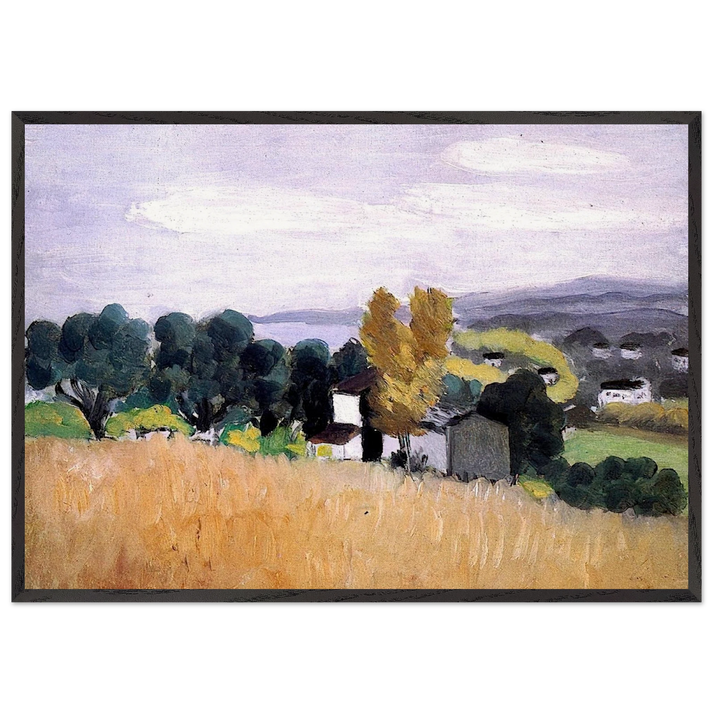
AUTUMN IN CAGNES 1918 - Henri Matisse 70x100 cm / 28x40 inches Framed Art Print – Black Wooden Frame
AUTUMN IN CAGNES 1918 - Henri Matisse 70x100 cm / 28x40 inches Framed Art Print – Black Wooden Frame
Couldn't load pickup availability
Experience the Luminosity of Autumn in Cagnes by Henri Matisse
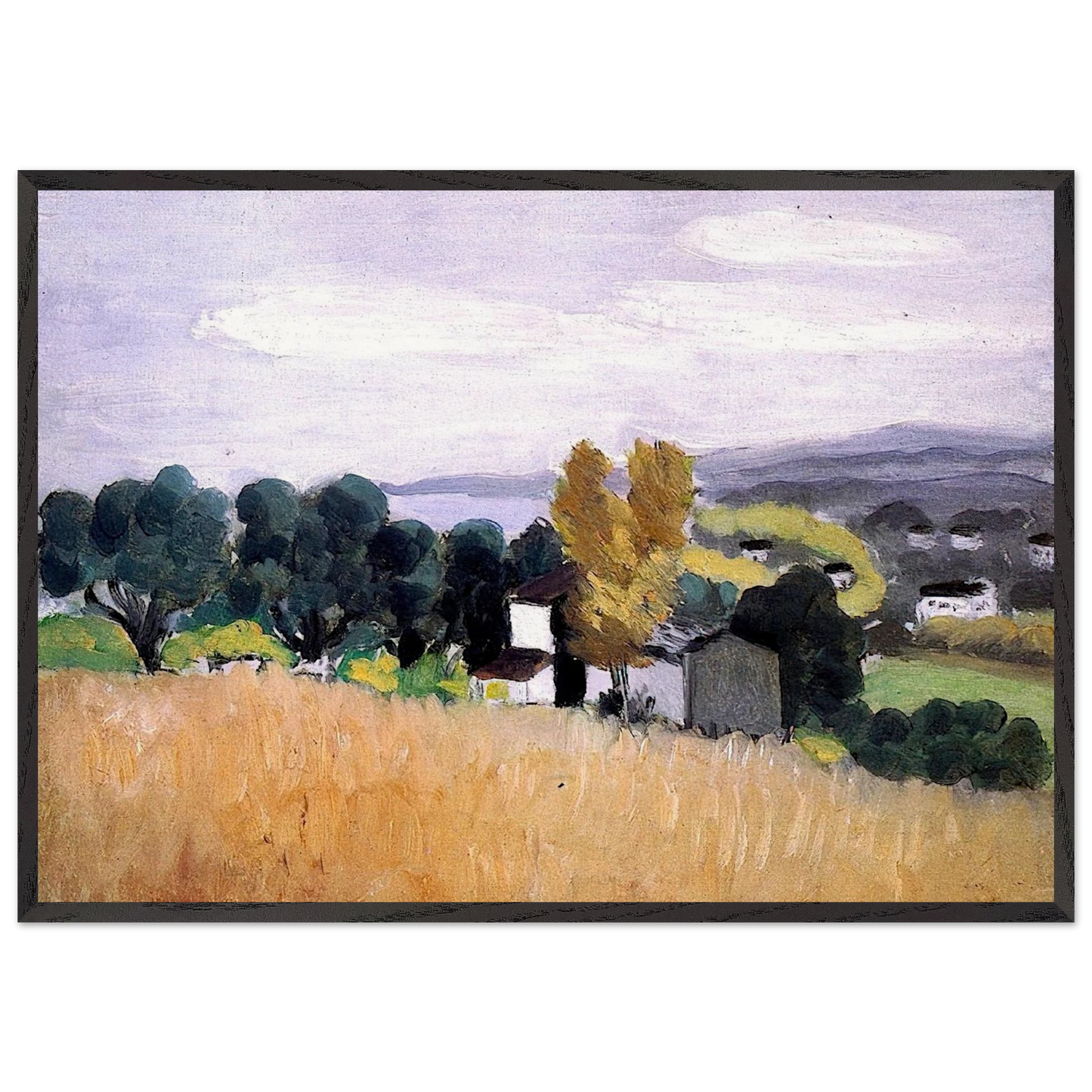
Painted in 1918, Autumn in Cagnes captures a pivotal moment in Henri Matisse's career as he transitioned toward the softer, light-drenched landscapes of the French Riviera. This museum-quality reproduction reflects the artist's masterful use of color to define form and atmosphere. At RedKalion, we curate these fine art prints to ensure that the rhythmic brushwork and Mediterranean warmth of the original work are preserved for the discerning collector.
Matisse’s technique during this period shifted from the radical abstraction of his early Fauve years toward a more naturalistic yet vibrant interpretation of light. This 70x100 cm masterpiece is rendered on 250 gsm (110 lb) archival museum-quality paper, featuring a matte, uncoated finish that eliminates glare and highlights the rich, organic tones of the southern French landscape.
The RedKalion Standard of Excellence
Our commitment to archival integrity means your Henri Matisse framed art print is built to endure. The 20mm (0.79") thick black frame is constructed from responsibly sourced oak and ash, providing a robust and sophisticated border that is significantly more substantial than standard commercial frames.
- Sustainably Crafted: We utilize FSC-certified materials, ensuring your investment supports responsible forestry.
- Crystal Clear Protection: Every print is protected by shatterproof plexiglass, maintaining clarity while shielding the artwork.
- Ready to Hang: Your artwork arrives with a professional hanging kit, allowing you to elevate your space immediately.
- Premium Paper: The 0.29 mm (11.4 mils) thickness provides a luxurious, heavy feel characteristic of true fine art.
Introduce a piece of art history into your home with this archival masterpiece. Let the serene, golden hues of a 1918 autumn in Cagnes-sur-Mer transform your environment with the timeless elegance only a Matisse can provide.
Discover Unlimited Art Possibilities
At RedKalion, you can find virtually any artwork from any artist, available in a wide range of sizes to perfectly match your space.
If you didn’t find what you’re looking for, contact us at support@redkalion.com . We will source any artwork and produce it in any size and format you need, including art prints, posters, canvas, framed pieces, framed canvas, and more.
For dedicated art enthusiasts, we also offer handcrafted replicas of any artwork, carefully painted by highly skilled artists using traditional techniques.
For custom requests, contact us at support@redkalion.com .
What are the specific paper qualities of this Matisse print?
The print uses 250 gsm (110 lb) museum-quality paper. It is natural white, matte, and uncoated, providing an archival, acid-free foundation that ensures the artwork does not yellow or fade over time.
How is the frame constructed for durability?
Our frames are made from responsibly sourced oak and ash wood, measuring 20mm (0.79") in width and thickness. This provides a premium, sturdy aesthetic that surpasses standard 14mm frames.
Is the artwork ready to be displayed upon arrival?
Yes. Each framed art print includes a pre-installed hanging kit. The shatterproof plexiglass ensures the piece is safe during transit and ready for immediate wall mounting.
How does the plexiglass compare to standard glass?
We use high-quality, shatterproof plexiglass. It offers superior protection and clarity while being significantly more resistant to damage, making it ideal for large-format fine art prints.
Is this a sustainable product?
Absolutely. We use FSC-certified wood and paper or equivalent sustainable certifications, ensuring that your art print is produced with respect for global forest conservation.
What is the historical significance of Autumn in Cagnes 1918?
This work marks Matisse's move to the Côte d'Azur after WWI. It represents a shift toward 'delicate naturalism,' focusing on the unique, soft light of Southern France.
Why did Matisse choose Cagnes-sur-Mer as a subject?
Matisse was drawn to the town's medieval structure and olive groves. In 1918, Cagnes was a hub for artists like Renoir, influencing Matisse’s exploration of Mediterranean light.