RedKalion
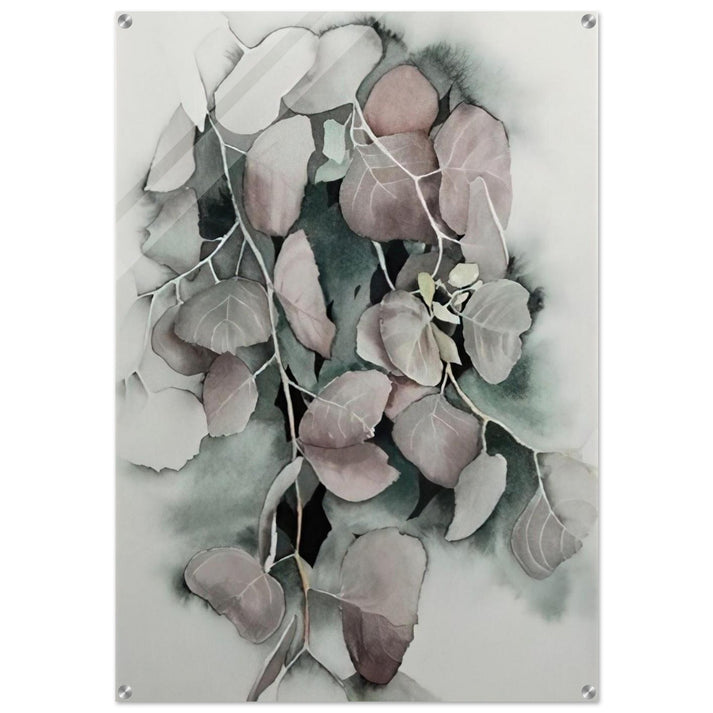
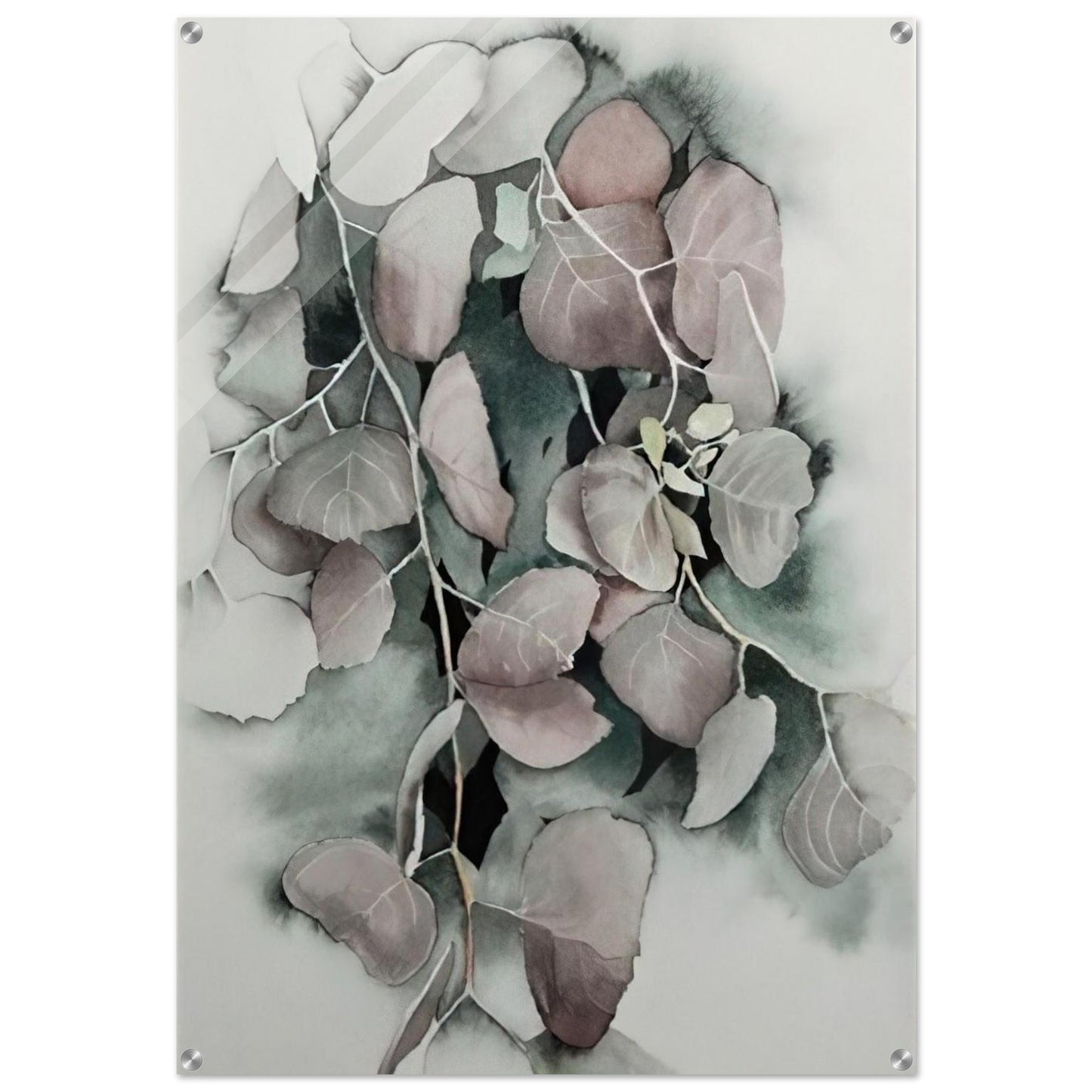
Autumn Leaves - Eyvind Earle Acrylic Print - 70x100 cm / 28x40″ inches
Autumn Leaves - Eyvind Earle Acrylic Print - 70x100 cm / 28x40″ inches
Couldn't load pickup availability
A Vision of Nature: Eyvind Earle’s "Autumn Leaves"
Experience the mesmerizing interplay of light and geometry with Eyvind Earle's "Autumn Leaves." As a master of the 20th-century landscape, Earle transformed the natural world into a realm of sharp silhouettes and evocative moods. This 70x100 cm museum-quality reproduction captures the artist's signature precision and the rhythmic elegance of a forest in transition. Originally known for his background designs for Disney’s *Sleeping Beauty*, Earle’s personal fine art prints carry a weight of serene stillness and decorative realism that is unmatched.
The Precision of an American Master
Eyvind Earle is celebrated for his unique ability to blend the stark graphic style of mid-century modernism with the timeless beauty of the wilderness. In "Autumn Leaves," every branch is rendered with mathematical grace, contrasting the organic decay of fall with the permanent, structural integrity of the trees. This fine art print serves as a cornerstone of sophisticated interior design, offering a balance of warmth and modern structuralism.
Exceptional Craftsmanship on Premium Acrylic
At RedKalion, we elevate this archival masterpiece through high-definition printing on 4mm (0.15") acrylic. This medium offers a sleek, vibrant, and durable finish that enhances the deep ambers and crisp lines of the original artwork. The straight-cut corners and specialized treatment where transparent backgrounds default to white ensure a modern, floating aesthetic that suits any professional or residential gallery space.
Installation and Durability
To ensure a seamless experience, each print arrives with a comprehensive hanging kit including all necessary hardware and screws. The piece features pre-drilled 8mm (0.31") diameter holes at each corner, positioned 14mm (0.55") from the edge, designed to fit the 15mm (0.6") screw head perfectly. Elevate your space with an archival masterpiece that endures, curated by RedKalion for those who demand world-class, museum-quality reproductions.
Discover Unlimited Art Possibilities
At RedKalion, you can find virtually any artwork from any artist, available in a wide range of sizes to perfectly match your space.
If you didn’t find what you’re looking for, contact us at support@redkalion.com . We will source any artwork and produce it in any size and format you need, including art prints, posters, canvas, framed pieces, framed canvas, and more.
For dedicated art enthusiasts, we also offer handcrafted replicas of any artwork, carefully painted by highly skilled artists using traditional techniques.
For custom requests, contact us at support@redkalion.com .
What materials are used for the "Autumn Leaves" print?
This reproduction is crafted using 4mm (0.15") high-grade acrylic, providing a sleek, vibrant finish that protects the colors and ensures a modern, durable aesthetic suitable for long-term display.
Does the print include a mounting system?
Yes, your print includes a complete hanging kit with screws and hardware. It features pre-drilled holes at each corner (14mm from the edge) for a professional and secure installation.
How does the acrylic affect the visual quality of the artwork?
The acrylic medium enhances color depth and vibrancy, creating a three-dimensional effect. Any transparent elements in the digital file are printed with a white background to ensure optimal color presentation.
Is this print considered archival quality?
Absolutely. RedKalion specializes in museum-quality reproductions. Using premium acrylic and high-definition printing techniques, this piece is designed to resist fading and maintain its integrity for decades.
What are the shipping logistics for this large-format print?
Our 70x100 cm prints are securely packaged in protective layers to prevent scratches or cracks. We use trusted couriers to ensure your Eyvind Earle masterpiece arrives in pristine condition.
What makes Eyvind Earle's style unique in "Autumn Leaves"?
Earle utilized "decorative realism," characterized by sharp edges, stylized tree forms, and a sense of depth created through layered silhouettes. This style bridges the gap between commercial animation and high-gallery landscape art.
What era does this artwork represent?
Eyvind Earle’s most iconic landscape work emerged in the mid-to-late 20th century, influenced by his time at Disney and his interest in Japanese woodblock prints and Medieval tapestries.