RedKalion
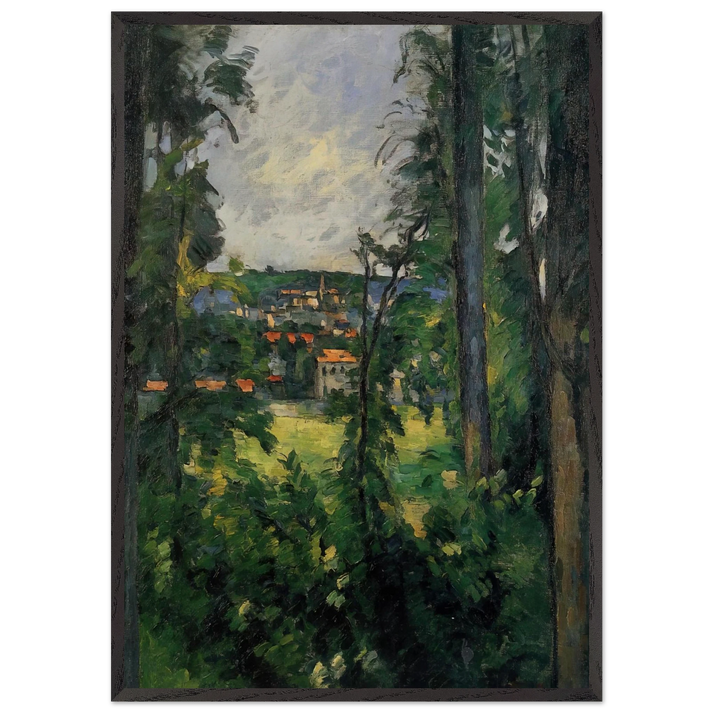
Auvers View from Nearby - Paul Cezanne 70x100 cm / 28x40 inches Framed Art Print – Black Wooden Frame
Auvers View from Nearby - Paul Cezanne 70x100 cm / 28x40 inches Framed Art Print – Black Wooden Frame
Couldn't load pickup availability
Bring the Structural Elegance of Cézanne into Your Home
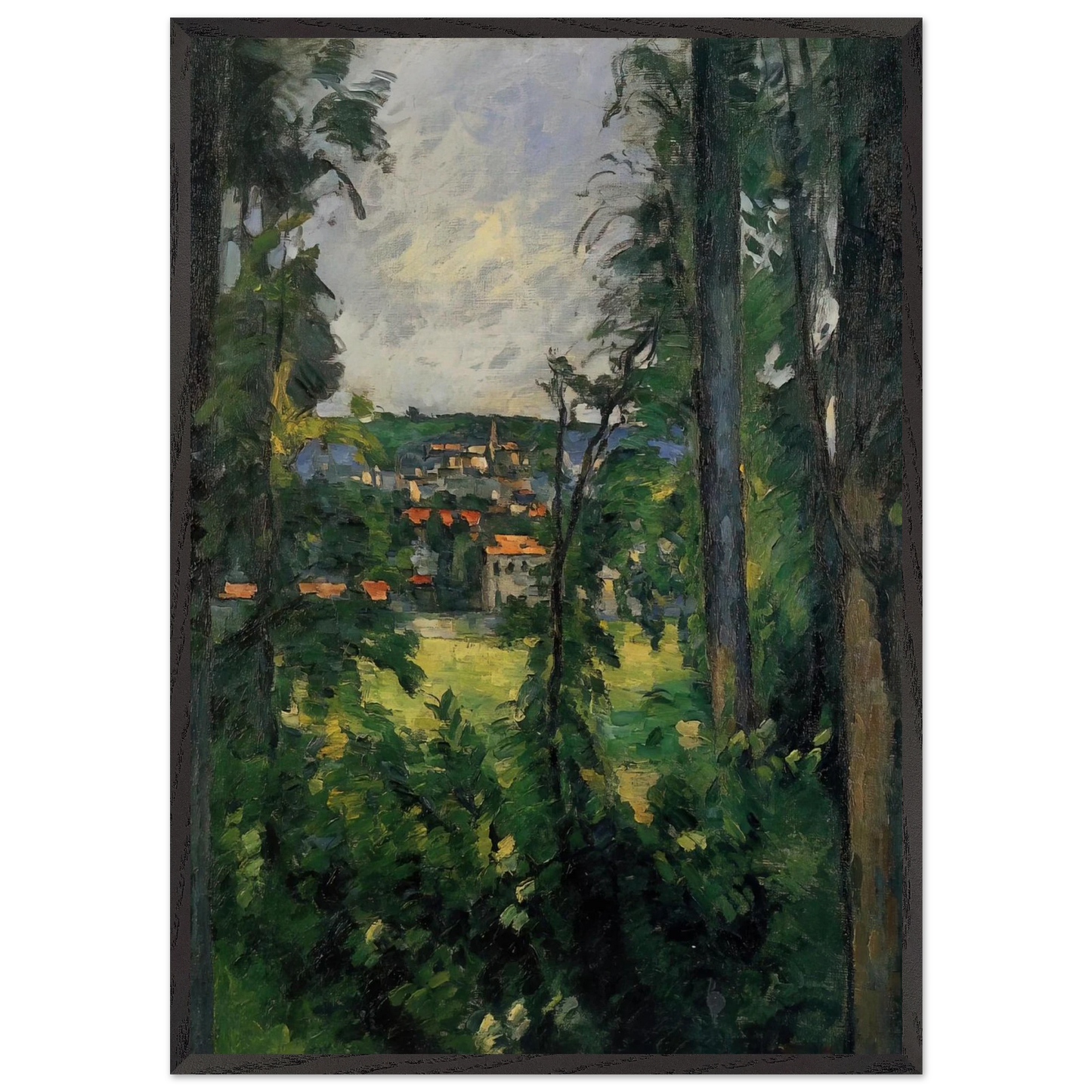
Step into the architectural beauty of the French countryside with Paul Cézanne’s Auvers View from Nearby. This 70x100 cm museum-quality reproduction captures a pivotal moment in art history, where Cézanne began to move beyond Impressionism toward a more structured, tectonic style. At RedKalion, we preserve this transition by offering a fine art print that respects the artist’s unique 'constructive stroke'—the rhythmic, geometric brushwork that eventually paved the way for Cubism.
The scene depicts Auvers-sur-Oise, a village where Cézanne refined his vision alongside Camille Pissarro. This piece is not merely a landscape; it is a study of volume and perspective. Our reproduction ensures that the subtle shifts in olive greens, ochres, and sky blues are rendered with absolute fidelity, providing a sophisticated focal point for any interior.
Archival Quality Meets Sustainable Craftsmanship
Every RedKalion print is a testament to longevity and aesthetic excellence. To ensure this masterpiece endures for generations, we utilize high-specification materials:
- Museum-Grade Paper: Printed on heavy 250 gsm (110 lb) natural white, archival-quality paper with a refined matte finish.
- Premium Framing: Encased in a robust 20mm (0.79") thick black frame crafted from sustainably sourced oak and ash wood, providing a more substantial presence than standard thin frames.
- Ultimate Protection: Each print is shielded by shatterproof plexiglass, ensuring clarity and safety without compromising the visual depth of the artwork.
- Eco-Conscious Selection: We use FSC-certified materials, aligning luxury decor with responsible forestry.
- Ready-to-Hang: Your artwork arrives with a professional hanging kit, allowing you to elevate your space immediately upon delivery.
Transform your living space or office with a piece that bridges the gap between the natural world and modern abstraction. This framed Paul Cézanne print is more than a decoration; it is an archival masterpiece designed to endure.
Discover Unlimited Art Possibilities
At RedKalion, you can find virtually any artwork from any artist, available in a wide range of sizes to perfectly match your space.
If you didn’t find what you’re looking for, contact us at support@redkalion.com . We will source any artwork and produce it in any size and format you need, including art prints, posters, canvas, framed pieces, framed canvas, and more.
For dedicated art enthusiasts, we also offer handcrafted replicas of any artwork, carefully painted by highly skilled artists using traditional techniques.
For custom requests, contact us at support@redkalion.com .
What materials are used for the frame of this Cézanne print?
Our frames are crafted from responsibly sourced, FSC-certified oak and ash wood. They feature a premium 20mm thickness, providing a sturdy and elegant silhouette compared to standard 14mm frames, finished in a classic black wood grain.
What is the quality of the paper used for the fine art print?
We use museum-quality, 250 gsm (110 lb) archival paper. It is uncoated, natural white, and features a matte finish that eliminates glare, ensuring the historical details of the artwork remain the focal point.
Is the artwork ready to hang upon arrival?
Yes. Every framed art print includes a pre-installed hanging kit. You can display your new Paul Cézanne masterpiece on your wall immediately after unboxing with no additional hardware required.
How is the print protected from damage?
Each print is protected by high-quality, shatterproof plexiglass. This ensures your artwork is safe from breakage during shipping and daily life while maintaining the crystal-clear visibility of the Post-Impressionist details.
What is the archival longevity of this museum-quality reproduction?
By utilizing acid-free, 250 gsm archival paper and UV-resistant inks, our prints are designed to resist yellowing and fading for decades, making them a true investment for your home gallery.
Why is Auvers-sur-Oise significant in Cézanne’s career?
Auvers was where Cézanne transitioned from his early 'dark period' to a structured approach. Influenced by Pissarro, he began using rhythmic brushstrokes to create form through color, a technique central to this specific landscape.
What characterizes the 'constructive stroke' seen in this piece?
Cézanne used parallel, slanted brushstrokes to build 'planes' of color. This method gives the landscape a sense of architectural stability and depth, marking the beginning of the Modernist movement in art history.