


RedKalion
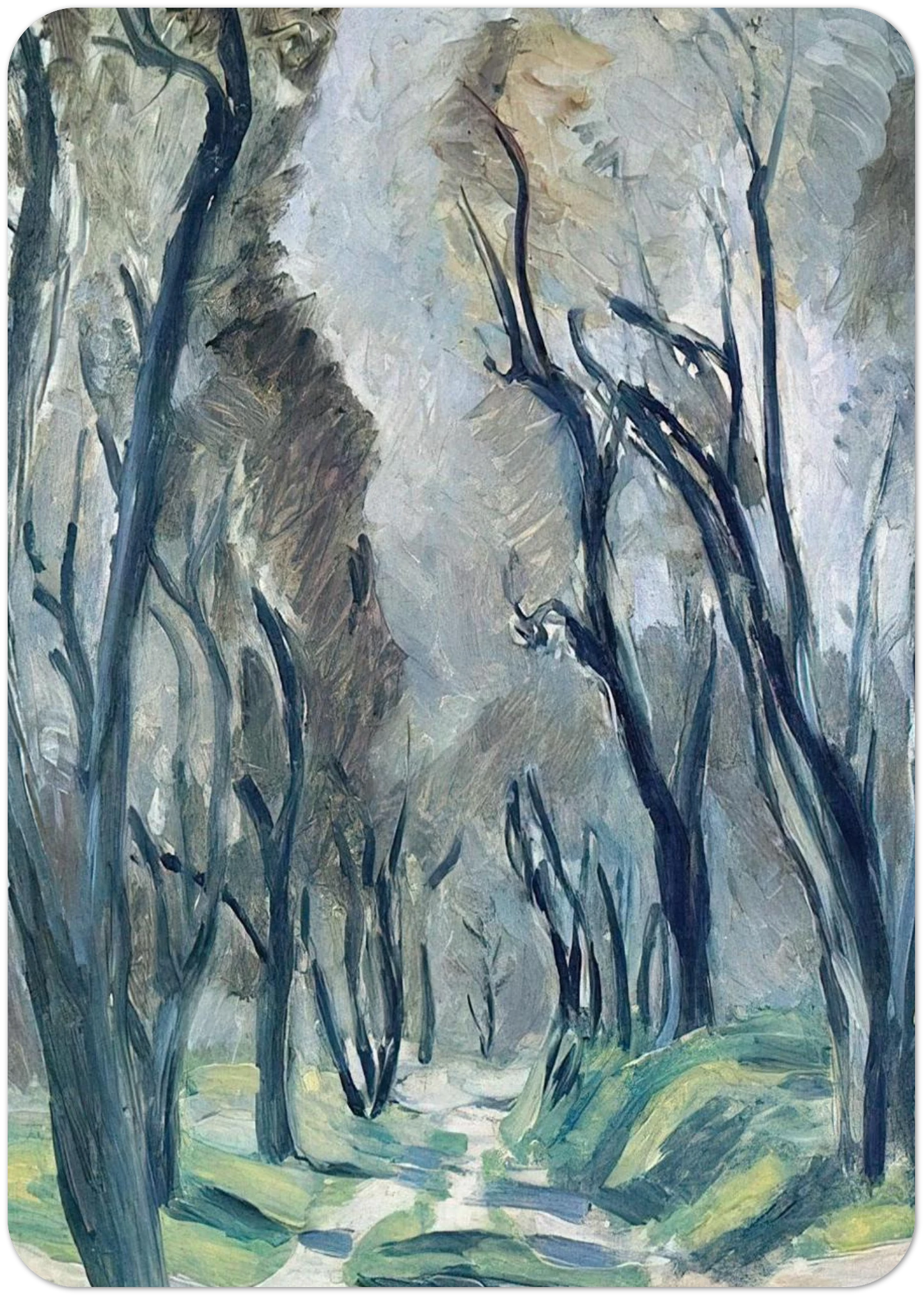
AVENUE OF OLIVE TREES 1952 By Henri Matisse Pack of 10 Post Cards | Henri Matisse Post Cards | A6 (10.5 x 14.8 cm) - 4.1 x 5.8 inches
AVENUE OF OLIVE TREES 1952 By Henri Matisse Pack of 10 Post Cards | Henri Matisse Post Cards | A6 (10.5 x 14.8 cm) - 4.1 x 5.8 inches
Couldn't load pickup availability
Experience the Mediterranean Light: Avenue of Olive Trees 1952 by Henri Matisse
In the twilight of his illustrious career, Henri Matisse refined his artistic language to a state of pure, rhythmic harmony. Avenue of Olive Trees (1952) is a masterful capture of the Southern French landscape, rendered with the confidence of a visionary who spent a lifetime chasing the perfect equilibrium of color and light. This exclusive pack of 10 museum-quality post cards invites you to share or display a fragment of Fauvist history, curated with the archival precision that RedKalion is renowned for.
Unlike standard mass-produced prints, our Matisse reproductions are crafted using a sophisticated 12-color fine art printing technology. This process delivers vivid, accurate colors with a depth and vibrancy that standard 4-color inkjet printing simply cannot replicate. Each card is printed on 200 gsm (80 lb) FSC-certified paper, featuring a smooth matte finish that eliminates glare and highlights the delicate textures of Matisse's late-period brushwork.
Product Specifications & Artistry
- Archival Quality: 12-color pigment-based inks ensure your cards remain vibrant for generations.
- Premium Tactility: A substantial 200 gsm weight (0.26 mm thickness) provides a luxurious, professional feel.
- Sustainability: Printed on demand on environmentally conscious, FSC-certified paper.
- Refined Aesthetic: The smooth matte finish offers a clean, sophisticated look suitable for framing or high-end correspondence.
Elevate your personal collection or delight a fellow art enthusiast with these archival masterpieces. RedKalion remains the definitive source for those who demand museum-grade quality in every detail.


Discover Unlimited Art Possibilities
At RedKalion, you can find virtually any artwork from any artist, available in a wide range of sizes to perfectly match your space.
If you didn’t find what you’re looking for, contact us at support@redkalion.com . We will source any artwork and produce it in any size and format you need, including art prints, posters, canvas, framed pieces, framed canvas, and more.
For dedicated art enthusiasts, we also offer handcrafted replicas of any artwork, carefully painted by highly skilled artists using traditional techniques.
For custom requests, contact us at support@redkalion.com .
What printing technology is used for these Matisse post cards?
We utilize 12-color fine art printing technology, which provides superior color accuracy and depth compared to standard 4-color inkjet methods, ensuring museum-quality results.
What is the weight and finish of the paper?
The post cards are printed on 200 gsm (80 lb) FSC-certified paper with a thickness of 0.26 mm and a smooth matte, glare-free finish.
How are the orders processed and shipped?
All orders are printed on demand to ensure the highest quality control, with no minimum order requirements and secure packaging for safe transit.
Is the paper environmentally friendly?
Yes, we use FSC-certified paper, ensuring that the materials for your fine art prints are sourced from responsibly managed and environmentally conscious forests.
Will the colors of the artwork fade over time?
No, by using 12-color archival inks and acid-free 200 gsm paper, our prints are designed for long-term vibrancy and archival longevity.
What inspired Matisse to paint 'Avenue of Olive Trees' in 1952?
Painted in his final years, this piece reflects Matisse’s deep connection to the Mediterranean light of Vence, translating nature into simplified, rhythmic forms and vibrant color harmonies.
How does this piece reflect Matisse's late-career style?
By 1952, Matisse had mastered 'drawing with color.' This artwork demonstrates the fluidity and economy of line that defined his late style, bridging his paintings and famous cut-outs.