

RedKalion
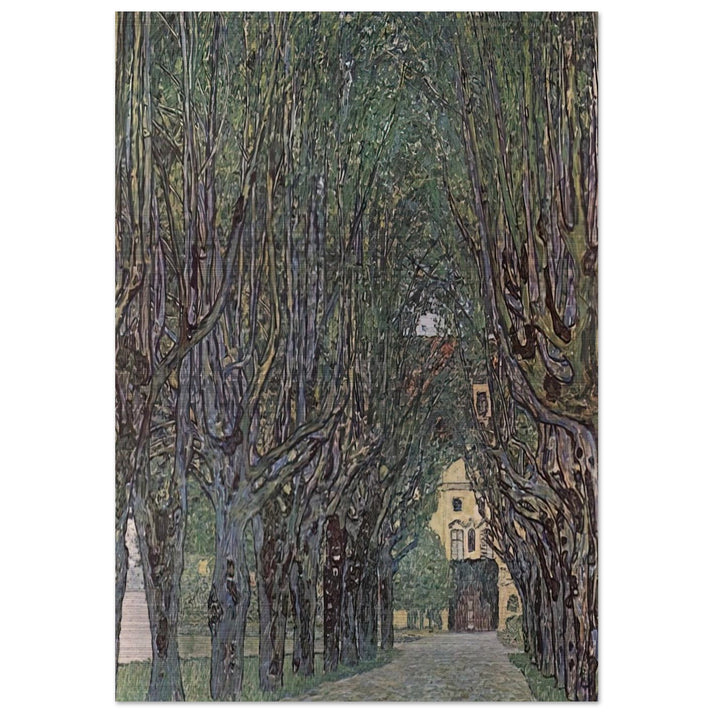
AVENUE OF SCHLOSS KAMMER PARK - Gustav Klimt Brushed Aluminum Print - 70x100 cm / 28x40 inches | Gustav Klimt Aluminum Print | Gustav Klimt Prints
AVENUE OF SCHLOSS KAMMER PARK - Gustav Klimt Brushed Aluminum Print - 70x100 cm / 28x40 inches | Gustav Klimt Aluminum Print | Gustav Klimt Prints
Couldn't load pickup availability
Elevate Your Space with Gustav Klimt’s Avenue of Schloss Kammer Park
Experience the rhythmic elegance of Gustav Klimt’s Avenue of Schloss Kammer Park, a 1912 masterpiece that captures the ethereal atmosphere of the Attersee region in Austria. This fine art print showcases Klimt’s departure from his iconic 'Golden Phase' into a sophisticated exploration of nature’s geometry. The verticality of the trees creates a sense of infinite depth, blending the techniques of French Pointillism with the decorative sensibilities of the Vienna Secession.
The RedKalion Distinction: Museum-Quality AluDibond Reproduction
At RedKalion, we transform historic masterpieces into contemporary treasures using archival-grade materials. This Gustav Klimt aluminum print is produced on premium Brushed silver Aluminum DIBOND®, providing a unique texture that adds a dynamic dimension to the artwork. The 3mm (0.12") thick rigid base ensures lifelong durability while maintaining a sleek, modern profile.
- Luminous Metallic Finish: The horizontal grain of the brushed aluminum creates a striking metallic silver effect in any unprinted white areas, mimicking the natural shimmer of light filtering through the leaves.
- Matte, Glare-Free Printing: Utilizing direct-print technology, the colors are vivid and saturated yet entirely glare-free, making it ideal for rooms with high natural light.
- Sophisticated Aesthetic: The 70x100 cm (28x40 inches) format provides a commanding presence, perfect for collectors seeking a statement piece that bridges the gap between classical art and industrial design.
By choosing a RedKalion reproduction, you are investing in an archival-grade piece designed to endure. Our commitment to high-fidelity color matching ensures that every stroke of Klimt’s brush is rendered with absolute precision, honoring the artist’s original intent while offering a texture that is uniquely tactile and modern.


Discover Unlimited Art Possibilities
At RedKalion, you can find virtually any artwork from any artist, available in a wide range of sizes to perfectly match your space.
If you didn’t find what you’re looking for, contact us at support@redkalion.com . We will source any artwork and produce it in any size and format you need, including art prints, posters, canvas, framed pieces, framed canvas, and more.
For dedicated art enthusiasts, we also offer handcrafted replicas of any artwork, carefully painted by highly skilled artists using traditional techniques.
For custom requests, contact us at support@redkalion.com .
What makes a Brushed Aluminum DIBOND® print unique?
Unlike traditional paper, this material features a 3mm horizontal grain that provides a metallic silver finish. This creates a dynamic, light-reflecting effect in the artwork's highlights, offering a modern, industrial texture that is incredibly durable.
How does the matte finish affect the artwork's appearance?
The direct-print technology on AluDibond produces a matte, glare-free finish. This ensures that the fine details of Gustav Klimt's brushwork remain visible from all angles, even in brightly lit rooms or near windows.
Is the hanging hardware included with the print?
Yes, every RedKalion print includes a high-quality hanging kit. The specific hardware provided is tailored to the size of the print and the fulfillment country to ensure a secure and flush mount to your wall.
What are the archival properties of this aluminum print?
Aluminum DIBOND® is highly resistant to temperature fluctuations and humidity. The UV-resistant inks used in our direct-print process prevent fading, ensuring your museum-quality reproduction maintains its vibrancy for decades.
How is the 70x100 cm print packaged for shipping?
We use heavy-duty, secure packaging specifically designed for large-format fine art. This ensures your Gustav Klimt reproduction arrives in pristine condition, protected against impacts and environmental factors during transit.
What is the significance of Schloss Kammer in Klimt’s work?
Schloss Kammer was a manor house on the Attersee where Klimt spent his summers. He painted it and its surrounding park frequently between 1908 and 1912, using these landscapes to experiment with light and meditative, rhythmic compositions.
Why did Klimt use such a rhythmic, vertical structure in this piece?
Klimt used the tall, slender trees of the park to create a structural 'curtain' that emphasizes the flat, decorative quality of the canvas, a hallmark of the Vienna Secession style that balances realism with abstract patterns.