

RedKalion
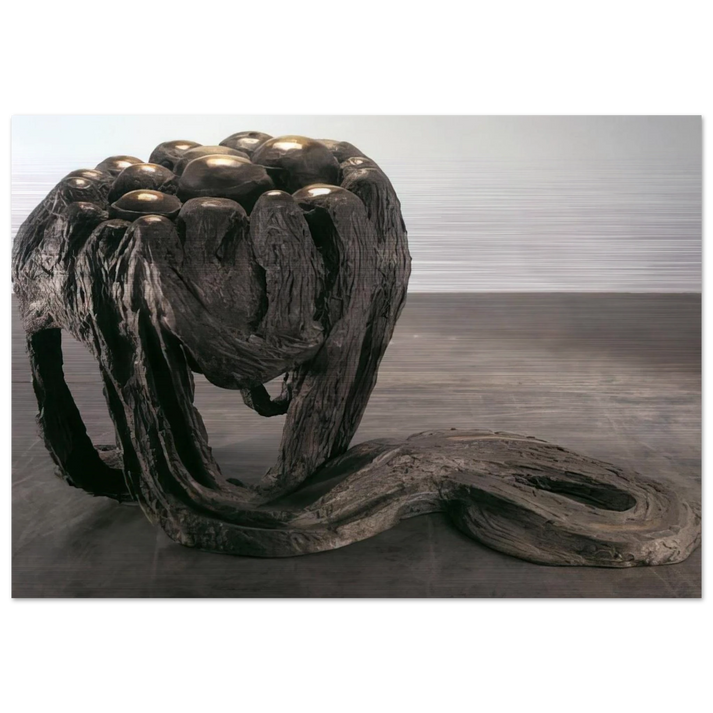
AVENZA REVISITED II 1969 - Louise Bourgeois Brushed Aluminum Print - 70x100 cm / 28x40 inches | Louise Bourgeois Aluminum Print | Louise Bourgeois Prints
AVENZA REVISITED II 1969 - Louise Bourgeois Brushed Aluminum Print - 70x100 cm / 28x40 inches | Louise Bourgeois Aluminum Print | Louise Bourgeois Prints
Couldn't load pickup availability
A Masterpiece of Psychological Landscape: Louise Bourgeois's Avenza Revisited II 1969
In Avenza Revisited II 1969, Louise Bourgeois invites us into a visceral exploration of memory and form. This seminal work reflects her time in Carrara, Italy, where the rolling hills and marble quarries of the Avenza district inspired a shift toward more organic, clustered geometries. As a museum-quality reproduction, this piece captures the tension between the biological and the architectural—a hallmark of Bourgeois’s mid-career genius.
At RedKalion, we believe such profound art deserves a medium that matches its complexity. Our Louise Bourgeois prints are executed on premium Brushed Silver Aluminum DIBOND®, providing a sophisticated, industrial edge to the fluid shapes of the original 1969 composition. The 3mm (0.12") thick base ensures a rigid, durable foundation for an archival masterpiece that transcends traditional paper prints.
The RedKalion Technical Advantage
- Dynamic Metallic Finish: The horizontal grain of the brushed silver aluminum creates a sense of movement as light catches the surface, perfectly complementing Bourgeois's exploration of depth.
- State-of-the-Art Printing: We utilize direct printing on AluDibond for vivid colors and a refined matte finish.
- Unique Silver Effects: Unprinted white areas in the design reveal the raw metallic silver of the Dibond, adding a striking contemporary luster to the composition.
- Glare-Free Experience: The matte, glare-free finish ensures Bourgeois's intricate forms are visible from any angle, even in well-lit galleries or living spaces.
Elevate your collection with a fine art print that bridges the gap between historical significance and modern aesthetic. This archival reproduction is designed to endure, offering a timeless piece of art history for the discerning collector.


Discover Unlimited Art Possibilities
At RedKalion, you can find virtually any artwork from any artist, available in a wide range of sizes to perfectly match your space.
If you didn’t find what you’re looking for, contact us at support@redkalion.com . We will source any artwork and produce it in any size and format you need, including art prints, posters, canvas, framed pieces, framed canvas, and more.
For dedicated art enthusiasts, we also offer handcrafted replicas of any artwork, carefully painted by highly skilled artists using traditional techniques.
For custom requests, contact us at support@redkalion.com .
What materials are used for this Louise Bourgeois print?
This print is crafted on 3mm (0.12") Brushed Silver Aluminum DIBOND®, featuring a horizontal grain and a metallic finish that reveals silver in unprinted areas.
How do I hang my aluminum art piece?
Each RedKalion print includes a specialized hanging kit. The specific mounting hardware varies by the fulfillment country to ensure the most secure display for your region.
What are the shipping logistics for museum-quality prints?
We provide global shipping with protective, art-secure packaging. Delivery times vary by location, but all shipments are tracked to ensure your archival masterpiece arrives safely.
How long will this archival print last?
Our Aluminum DIBOND® prints are archival-grade, offering exceptional durability and resistance to UV light, ensuring the colors and metallic effects remain vibrant for decades.
How should I clean and maintain the brushed aluminum surface?
The matte, glare-free finish is highly durable. Simply use a soft, dry microfiber cloth to remove dust. Avoid harsh chemicals to preserve the integrity of the metallic grain.
What is the significance of the name 'Avenza' in this artwork?
Avenza refers to a district in Carrara, Italy. Bourgeois visited the marble quarries there, and this series reflects her memories of those topographical and geological formations.
What characterized Louise Bourgeois's style in 1969?
In the late 1960s, Bourgeois shifted toward 'soft' materials and organic, bulbous forms, exploring themes of growth, vulnerability, and the 'psychological landscape' seen in Avenza Revisited II.